Delightfully Tangy Lemon Sheet Cake
The first squeeze of lemon always wakes up the senses a bit, and that brightness carries straight into this easy, sun‑loving sheet cake. As you mix everything together, the citrus lifts the air around you — a small moment that feels surprisingly grounding. And even if baking sometimes feels fussy, this one stays friendly all the way through. There’s a light, quiet joy in knowing a simple glaze at the end pulls it all together.
Why You’ll Love This Recipe
This Lemon Sheet Cake is a crowd-pleaser, bringing the perfect balance of tartness and sweetness. It’s easy to prepare and serves many, making it ideal for any occasion.
- Moist, tender crumb that melts in your mouth
- Bright, citrus flavor that feels refreshing
- Simple instructions that even novice bakers can follow
- Perfect for feeding a large group, whether it’s a picnic or a birthday party
- Elegant enough for a special celebration yet simple for a cozy afternoon snack
Ingredients: Moist Lemon Sheet Cake
Servings: 12-16
For the Cake:
- 2 cups (250 g) all-purpose flour
- 1 ½ cups (300 g) granulated sugar
- 1 tablespoon baking powder
- ½ teaspoon salt
- ½ cup (115 g) unsalted butter, softened
- 1 cup (240 ml) whole milk
- 3 large eggs
- Zest of 2 lemons
- ½ cup (120 ml) fresh lemon juice
For the Glaze:
- 1 cup (120 g) powdered sugar
- 2 tablespoons (30 ml) fresh lemon juice
- 1 teaspoon lemon zest
Options: Substitute a dairy-free milk for a lactose-free alternative.
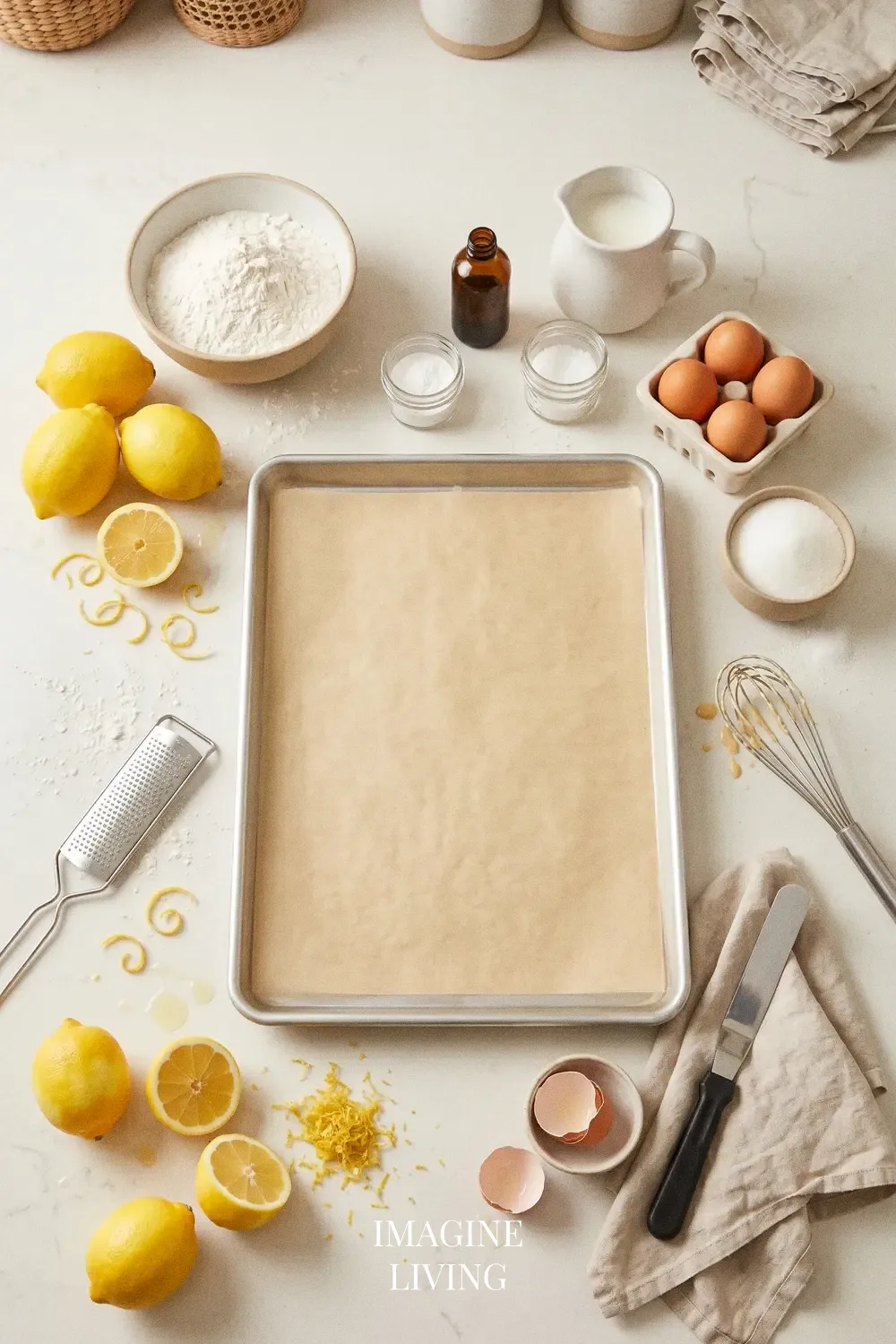
Equipment Needed
- Mixing bowls
- Electric mixer or whisk
- 9×13 inch (23×33 cm) baking pan
- Rubber spatula
- Cooling rack
- Measuring cups and spoons
Step-By-Step Guide: How to Make Lemon Sheet Cake
A lemon cake moves quickly once everything’s in motion, so the main thing here is steady pacing — nothing complicated, just one step at a time.
Preheat the Oven
Begin by preheating your oven to 350°F (175°C). This ensures your cake will bake evenly. A warm oven waiting for you always feels like a small head start.
Mix the Dry Ingredients
In a large mixing bowl, whisk together the flour, baking powder, and salt. The blend of these dry ingredients creates the foundation for a fluffy texture.
Tip: Sifting the flour can help create an even lighter cake.
Cream the Butter and Sugar
In another bowl, beat the softened butter and granulated sugar until pale and fluffy, about 3-5 minutes. You’ll feel it lighten under the mixer — a good sign it’s ready.
Combine Wet Ingredients
Add in the eggs one at a time, mixing after each addition. Then, stir in the milk, lemon juice, and lemon zest. The citrus aroma will fill your kitchen for a moment, almost like the batter’s giving you a preview.
Tip: Be sure to scrape down the bowl to ensure all ingredients are fully combined.
Option note: If using a dairy-free milk, choose a variety that is unsweetened.
Combine the Mixtures
Gradually add the dry ingredients to the wet mixture, mixing until just combined. If the batter looks smooth and relaxed, you’re right where you need to be.
Bake the Cake
Pour the batter into a greased 9×13 inch baking pan, smoothing the top. Bake for 25-30 minutes or until a toothpick inserted in the center comes out clean. There’s a quiet satisfaction in that first whiff when you open the oven door.
Tip: While the cake is baking, start on the glaze to save time.
Prepare the Glaze
In a small bowl, mix the powdered sugar, lemon juice, and zest. Adjust the consistency by adding more lemon juice if it’s too thick.
Glaze the Cake
Once the cake is baked and cooled for about 10 minutes, gently prick the top with a toothpick and pour the glaze evenly over the surface. It slides in easily while the cake is still warm.

Pro Tips for Lemon Sheet Cake
A few small habits can make this cake turn out beautifully each time.
- Use fresh lemons for the best flavor.
- Ensure your ingredients are at room temperature before beginning.
- Let the cake cool completely before adding glaze for a smoother finish.
- Store leftovers in an airtight container at room temperature for up to three days.
One small note: fresh zest does a lot of heavy lifting here.
Dietary Variations & Substitutions
Gluten-Free Version
- Substitute all-purpose flour 1:1 with a gluten-free baking blend that contains xanthan gum.
- Mix just until combined to avoid a gummy texture.
- Start checking for doneness 5-8 minutes earlier; gluten-free cakes can bake faster.
Tip: Ensure your baking ingredients are gluten-free to prevent cross-contamination.
Dairy-Free
- Replace unsalted butter with an equal amount of dairy-free butter or coconut oil.
- Swap whole milk 1:1 with any unsweetened plant-based milk (like almond or oat).
- Expect a slightly different texture; mix gently to keep the cake light.
Tip: Adding a teaspoon of apple cider vinegar can help enhance rise and moisture.
Vegan
- Replace each egg with 1 tablespoon ground flaxseed mixed with 3 tablespoons water; let it rest for 5 minutes.
- Use dairy-free alternatives for butter and milk as mentioned above.
- Extend baking time by 5-10 minutes as vegan cakes may take longer to set.
Tip: Adding 1 teaspoon baking soda with the dry ingredients helps with lift when baking vegan cakes.
Low-Sugar
- Reduce the granulated sugar by 25-30% and add an additional 2 tablespoons of lemon juice if the batter is too thick.
- Use a sugar substitute that measures cup-for-cup if preferred.
- Enhance flavors with a little extra lemon zest to compensate for the lower sweetness.
Tip: Use a light lemon glaze for a sweet finish without added sugars.
Egg-Free
- To replace eggs, use 1/4 cup unsweetened applesauce for each egg.
- Implement the dairy-free swaps above for a completely egg-free cake.
- Expect a moister cake that might require a few extra minutes of baking time.
Tip: Ensure all ingredients are well-mixed to maintain structure without eggs.
Nut-Free
- Avoid any dairy-free milk made from nuts; opt for oat or rice milk for substitutions.
- Use seed-based alternatives if nuts are involved in any creative variations or toppings.
Tip: Always check labels for potential nut traces in pre-packaged ingredients.
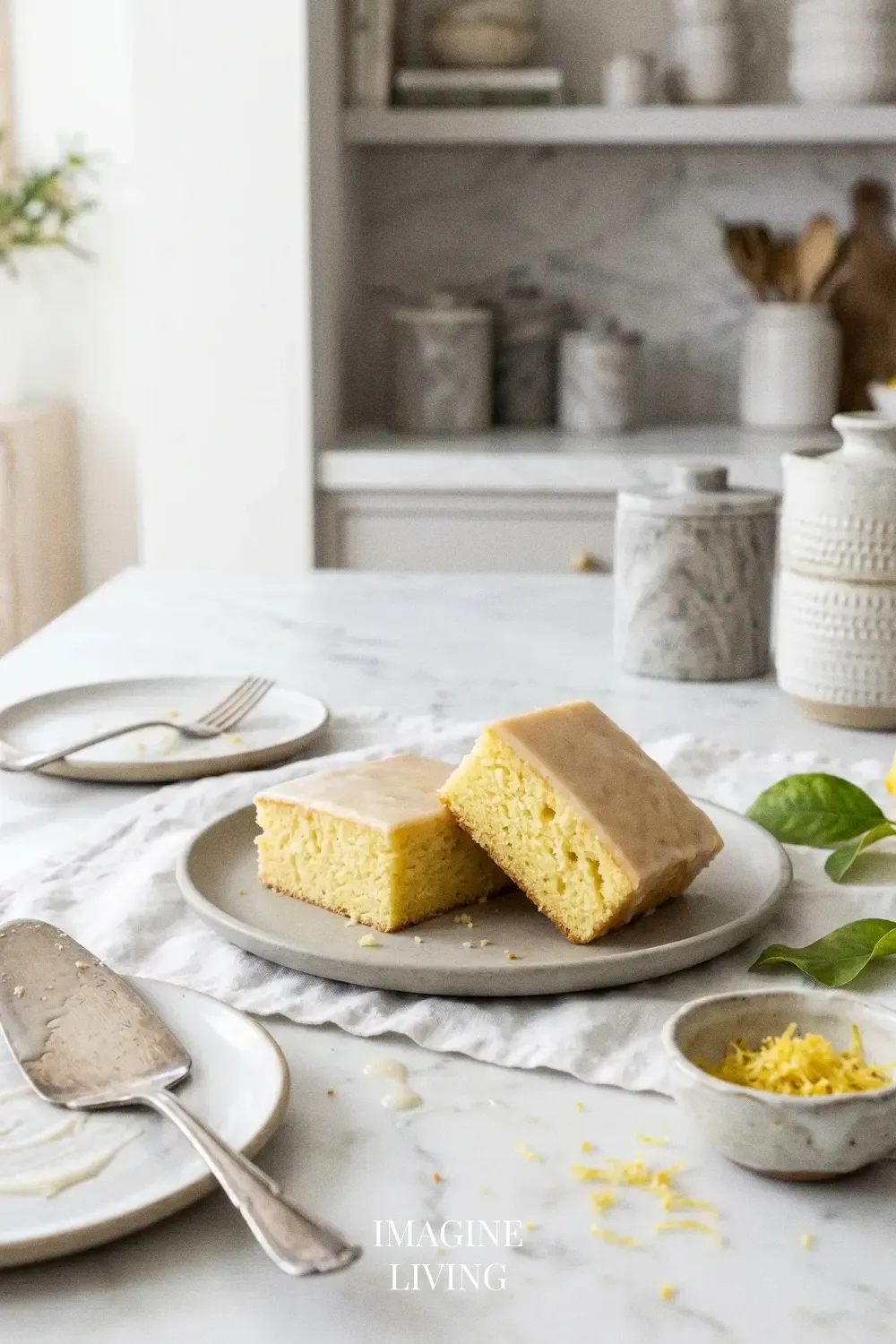
Creative Variations: Exciting Lemon Sheet Cake Ideas
Lemon Blueberry Sheet Cake
Add 1 cup (150 g) of fresh or frozen blueberries to the batter for a fruity twist.
Tip: Toss blueberries in flour to prevent them from sinking.
Lemon Poppy Seed Cake
Incorporate 2 tablespoons of poppy seeds for added texture.
Tip: Poppy seeds add a lovely crunch that complements the lemon.
Lemon Cream Cheese Sheet Cake
Substitute half the butter with cream cheese for a rich flavor.
Tip: Make sure the cream cheese is softened to blend easily.
Lemon Coconut Cake
Add 1 cup (100 g) of shredded coconut to the batter for a tropical flair.
Tip: Use unsweetened coconut for a more natural taste.
Lemon Almond Sheet Cake
Incorporate 1 teaspoon of almond extract alongside lemon for a gourmet touch.
Tip: Almond extract can enhance the cake’s moisture and flavor.

Serving Suggestions
- Serve with fresh berries for a vibrant presentation.
- Pair with a scoop of vanilla ice cream for a delightful dessert.
- Enjoy with a cup of herbal tea for a cozy afternoon treat.
Storage and Reheating
Store the lemon sheet cake in an airtight container at room temperature for up to three days. For longer storage, wrap tightly in plastic wrap and refrigerate for up to a week. To reheat, place a slice in the microwave for 10-15 seconds for a warm treat.
Common Mistakes to Avoid
Even simple cakes have a few places where things can drift. These are easy to navigate once you know them.
Overmixing the Batter
This can lead to a dense cake that lacks the desired fluffy texture.
Tip: Mix just until ingredients are combined to keep the cake airy.
Using Cold Ingredients
Baking with cold eggs or butter can affect the emulsification process.
Tip: Allow them to reach room temperature for optimal blending.
Not Measuring Ingredients Properly
Accurate measurements are crucial in baking.
Tip: Use a kitchen scale for precision.
Forgetting to Preheat
Not preheating can result in uneven baking.
Tip: Always give your oven time to heat up before baking.
Not Allowing to Cool Before Glazing
Glazing a hot cake can cause the glaze to melt away.
Tip: Let the cake set for about 10 minutes after baking.
FAQs
Can I use bottled lemon juice?
Using fresh lemon juice is recommended, but bottled can work in a pinch.
How can I add more lemon flavor?
Increase the lemon zest or add a bit of lemon extract for an extra kick.
Can I freeze this cake?
Yes, you can freeze the cake without glaze for up to three months.
How do I know when the cake is done?
A toothpick inserted in the center should come out clean or with a few moist crumbs.
What if I want a lower sugar option?
Consider replacing sugar with a sugar substitute that measures cup-for-cup.
Celebrate with Lemon Sheet Cake
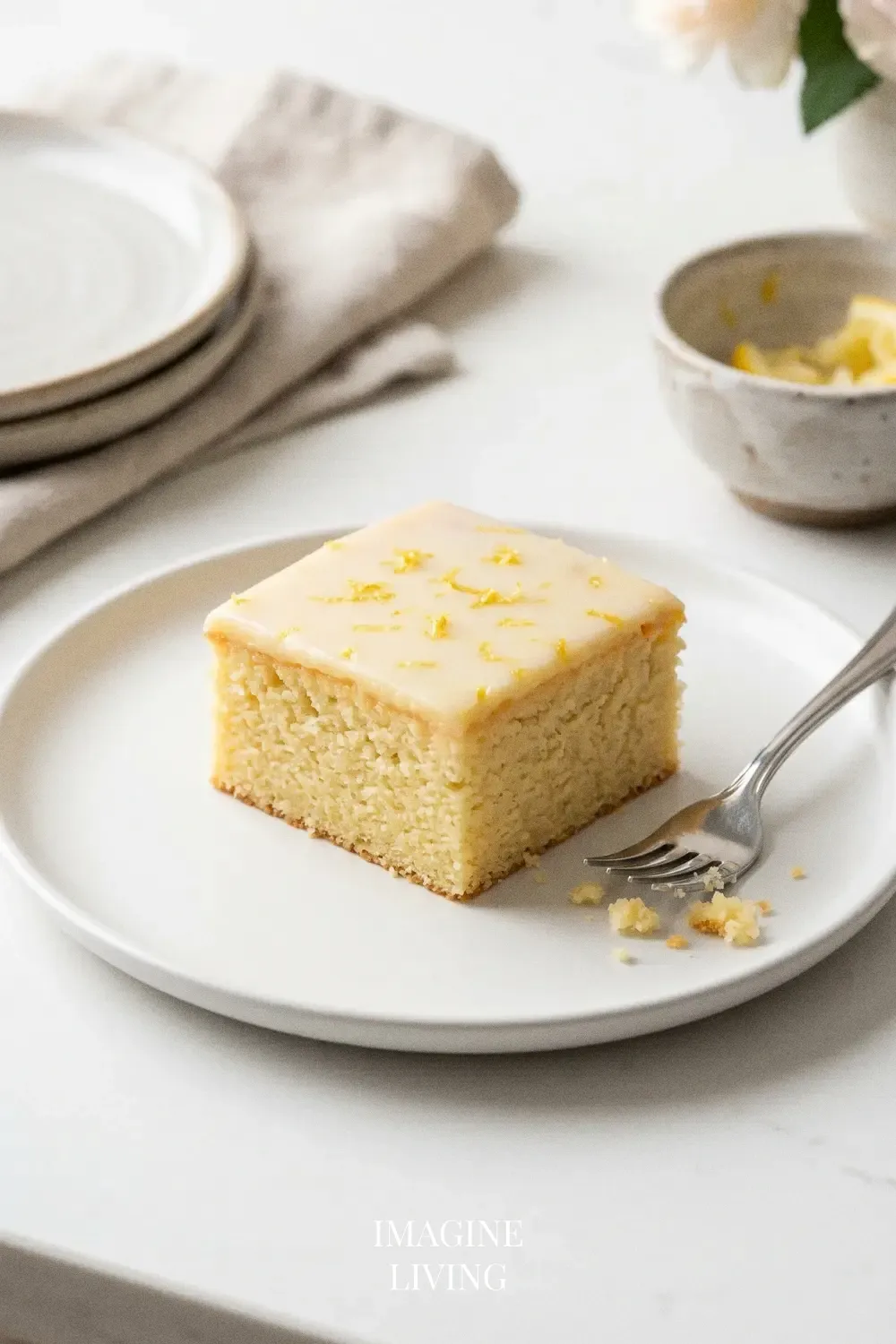
A pan of this lemon cake has a way of settling everyone into a good mood. It’s easygoing, bright without being loud, and simple enough to share without fuss. Once the glaze sets, you get that soft shine on top — a quiet little moment before you cut the first slice.
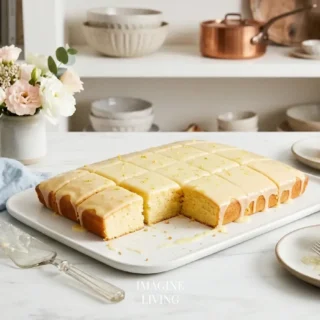
Delightfully Tangy Lemon Sheet Cake
Equipment
- Mixing bowls
- Electric mixer or whisk
- 9x13-inch baking pan
- Rubber spatula
- Cooling rack
- Measuring cups and spoons
Ingredients
For the Cake
- 2 cups all-purpose flour
- 1 ½ cups granulated sugar
- 1 tablespoon baking powder
- ½ teaspoon salt
- ½ cup unsalted butter, softened
- 1 cup whole milk
- 3 large eggs
- Zest of 2 lemons
- ½ cup fresh lemon juice
For the Glaze
- 1 cup powdered sugar
- 2 tablespoons fresh lemon juice
- 1 teaspoon lemon zest
Instructions
Preheat the Oven
- Preheat your oven to 350°F (175°C).
Mix the Dry Ingredients
- In a large mixing bowl, whisk together the flour, baking powder, and salt.
- Tip: Sifting the flour can help create an even lighter cake.
Cream the Butter and Sugar
- In another bowl, beat the softened butter and granulated sugar until pale and fluffy, about 3-5 minutes.
Combine Wet Ingredients
- Add in the eggs one at a time, mixing after each addition. Then, stir in the milk, lemon juice, and lemon zest.
- Tip: Be sure to scrape down the bowl to ensure all ingredients are fully combined.
Combine the Mixtures
- Gradually add the dry ingredients to the wet mixture, mixing until just combined. Avoid overmixing.
Bake the Cake
- Pour the batter into a greased 9x13 inch baking pan, smoothing the top. Bake for 25-30 minutes or until a toothpick inserted in the center comes out clean.
- Tip: While the cake is baking, start on the glaze.
Prepare the Glaze
- In a small bowl, mix the powdered sugar, lemon juice, and zest. Adjust the consistency by adding more lemon juice if it’s too thick.
Glaze the Cake
- Once the cake is baked and cooled for about 10 minutes, gently prick the top with a toothpick and pour the glaze evenly over the surface.
Notes
- Use fresh lemons for the best flavor.
- Ensure your ingredients are at room temperature before beginning.
- Let the cake cool completely before adding glaze for a smoother finish.
- Store leftovers in an airtight container at room temperature for up to three days.