Creamy Tomato Basil Pasta
Creamy tomato basil pasta has a way of filling the kitchen with that warm tomato‑and‑garlic scent that makes you pause for a second. I like how the sauce comes together almost without effort—just a little stirring, nothing dramatic. If you’re feeling unsure, this is one of those dishes that quietly proves you’ve got it handled. And somewhere in the middle, basil always finds a way to make things feel a bit brighter, almost as if it’s showing off.
Why You’ll Love This Recipe
This creamy tomato basil pasta leans into simple ingredients that turn surprisingly luxurious once they meet in the pan. Great for a weeknight but steady enough for company, it brings an easy kind of comfort to the table.
- Quick to prepare, taking only 30 minutes from start to finish.
- Uses fresh, wholesome ingredients that enhance the dish without overwhelming it.
- The sauce is rich yet balanced, thanks to the brightness of the tomatoes and the freshness of the basil.
- It’s a versatile recipe; pair it with your favorite protein or serve it as is for a vegetarian delight.
“Tomato, basil, cream, and love—pasta nights for two.”
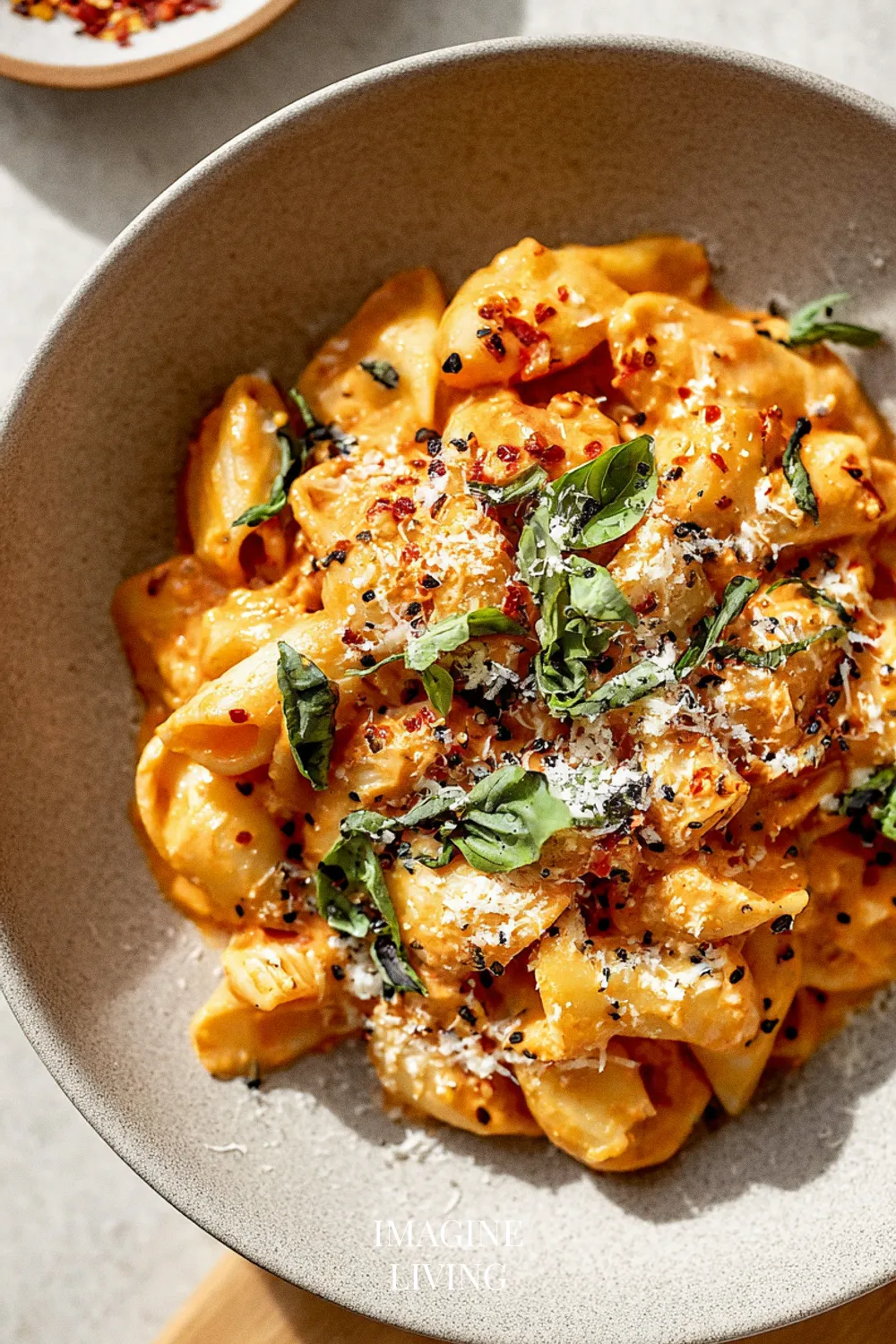
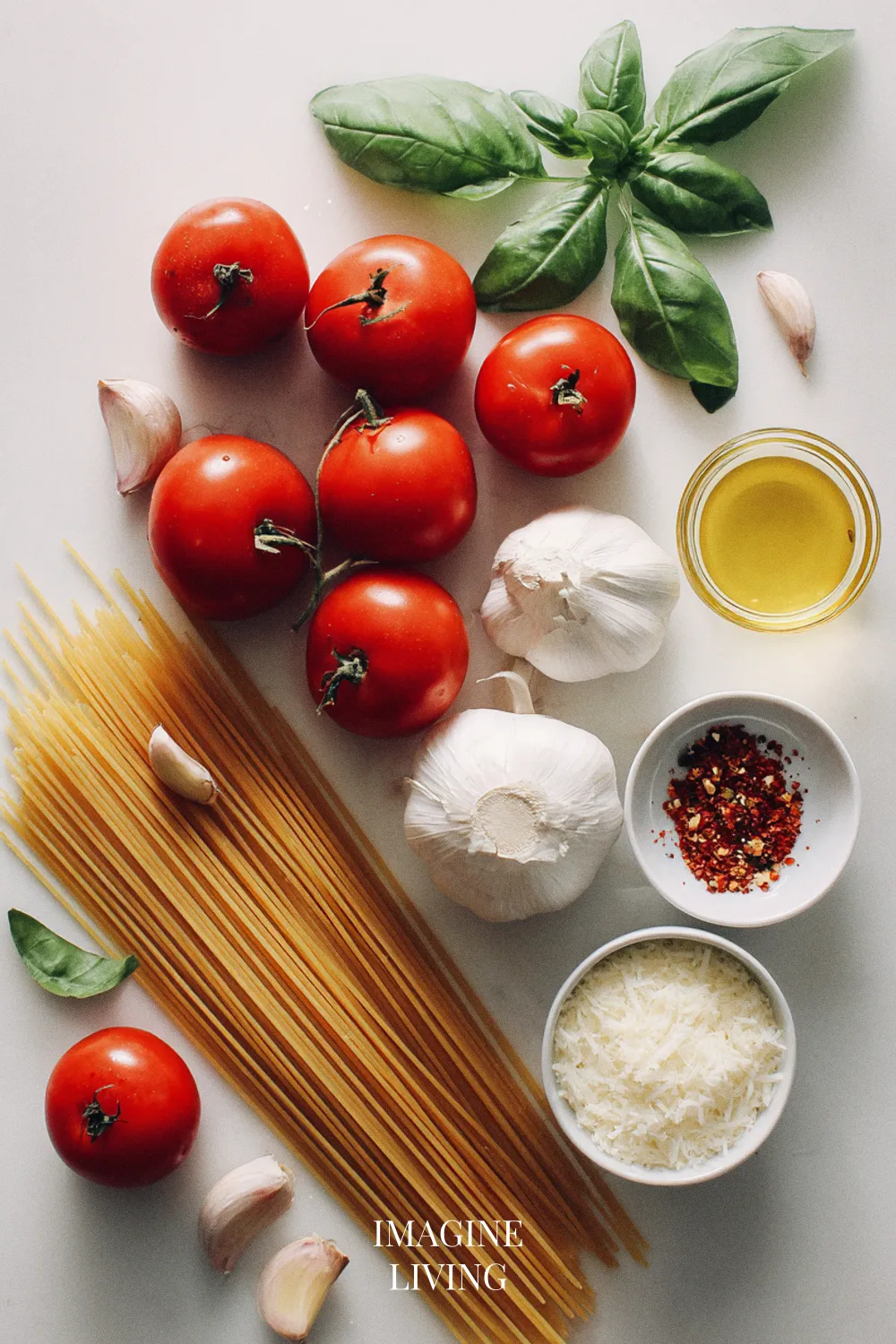
Ingredients: Creamy Tomato Basil Pasta for 4 Servings
For the Sauce
- 2 tablespoons olive oil
- 3 cloves garlic, minced
- 1 can (14 oz/400 g) crushed tomatoes
- 1 cup (240 ml) heavy cream
- 1 teaspoon sugar
- Salt and pepper to taste
- 1 cup (packed) fresh basil, chopped
For the Pasta
- 12 oz (340 g) fettuccine or your choice of pasta
- Grated Parmesan cheese for serving
Options: Substitute heavy cream with coconut cream for a lighter dish, or use gluten-free pasta for a gluten-free version.
Equipment Needed
- Large pot for boiling pasta
- Skillet for the sauce
- Wooden spoon
- Measuring cups and spoons
Step-By-Step Guide: Creamy Tomato Basil Pasta
A sauce like this loves steady heat and a little patience, but the steps fall into place easily once you start.
Step 1: Cook the Pasta
Bring a large pot of salted water to a boil. Add the pasta and cook according to the package directions until al dente, stirring occasionally.
Tip: Save a cup of pasta water before draining; you may need it to adjust the sauce’s consistency.
A quick taste near the end usually tells you everything you need to know—pasta has a way of announcing when it’s ready.
Step 2: Prepare the Sauce
While the pasta cooks, heat olive oil in a skillet over medium heat. Add minced garlic and sauté until fragrant, about 1 minute.
Tip: Be careful not to burn the garlic; it should be golden, not brown.
That moment when the garlic hits the oil is always a little satisfying—one of the small rewards of cooking.
Step 3: Add Tomatoes and Cream
Stir in the crushed tomatoes and bring the mixture to a gentle simmer. Add the heavy cream and sugar, and season with salt and pepper. Allow it to simmer for 5–7 minutes until thickened slightly.
The sauce settles into its texture slowly; a brief pause here never hurts.
Step 4: Combine with Pasta
Once the pasta is cooked and drained, add it to the skillet with the sauce. Toss gently to ensure the pasta is evenly coated. Stir in the chopped basil just before serving.
Tip: If the sauce is too thick, gradually add some reserved pasta water until you reach your desired consistency.
The basil softens the moment it hits the heat—always a small, fragrant signal that dinner is close.
“Food is the ingredient that binds us together.”
Pro Tips for Creamy Tomato Basil Pasta
A few small choices can make the dish even smoother to cook and enjoy.
- Use fresh, ripe tomatoes when in season for an even brighter flavor.
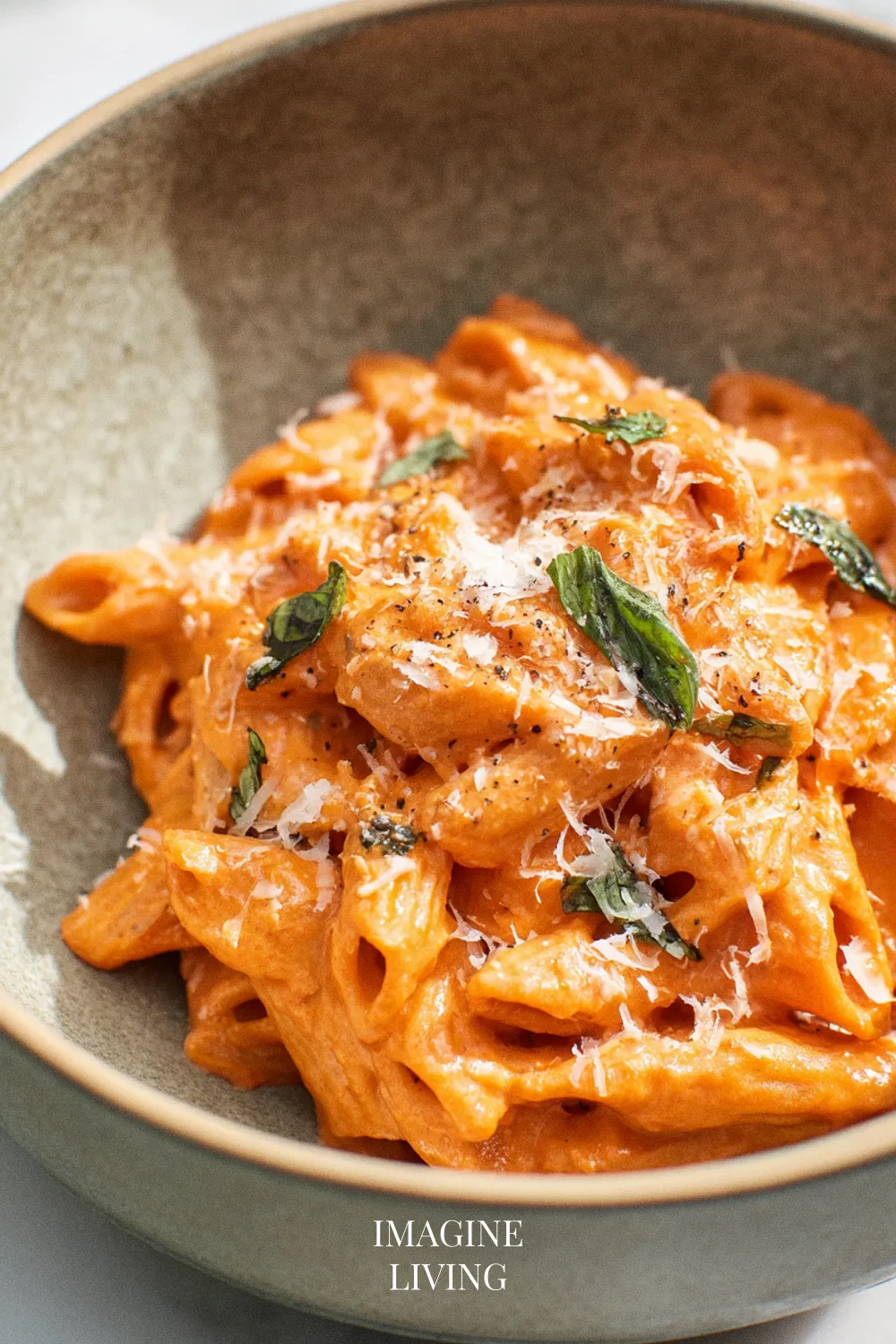
- Feel free to experiment with different pasta shapes like penne or spaghetti.
- Stir in some cooked chicken or shrimp for a heartier dish.
- Finish with a sprinkle of red pepper flakes for a bit of heat.
- Leftovers can be easily reheated with a splash of cream or pasta water.
(Some days, that extra splash of cream feels like the right call.)
Dietary Variations & Substitutions
Gluten-Free Version
- Substitute fettuccine with gluten-free pasta of your choice, using a 1:1 ratio.
- Ensure the sauce remains gluten-free by checking all ingredients, including the canned tomatoes for potential additives.
- Follow the pasta cooking instructions carefully, as gluten-free noodles may require different cooking times.
Tip: Keep an eye on the pasta, as gluten-free varieties can become mushy if overcooked.
Dairy-Free
- Replace heavy cream with a 1:1 ratio of coconut cream or a dairy-free heavy cream alternative.
- Use nutritional yeast or a dairy-free cheese substitute in place of Parmesan for topping.
- Be mindful of the coconut flavor complementing the tomatoes; adjust seasoning as needed.
Tip: Adding a squeeze of lemon juice can brighten the flavors in a dairy-free version.
Vegan Version
- Use coconut cream instead of heavy cream and cashew parmesan or nutritional yeast for a cheesy flavor.
- Ensure the pasta is egg-free; most dried pasta is vegan, but it’s good to check.
- Cook the sauce as usual, but keep an eye on it as some vegan creams may adjust cooking time.
Tip: Blending soaked cashews with some water can create a creamy base for added richness.
Egg-Free
- Check that your pasta is egg-free; many brands offer egg-free dried pasta options.
- Follow the original cooking instructions for egg-free pasta, similar to any standard pasta.
- The sauce remains the same, so no adjustments are needed there.
Tip: Always read labels for pasta to ensure it meets egg-free criteria.
Nut-Free
- Ensure to use coconut cream that is explicitly nut-free and check labels when using nutritional yeast.
- Use non-dairy cheese alternatives that don’t contain nuts to avoid cross-contamination.
- As with the original recipe, the cooking process remains unchanged.
Tip: For added creaminess without nuts, use a blend of potato and oat cream.
Low-Sugar
- Reduce or omit the sugar in the sauce; the natural sweetness of the tomatoes may suffice.
- If additional sweetness is desired, consider using a pinch of stevia or monk fruit sweetener as a substitute at a 1:1 ratio.
- The flavor profile of the tomatoes and basil should balance well without the added sugar.
Tip: Taste as you go to ensure the balance of acidity and sweetness is to your liking.
Creative Variations: Unique Takes on Creamy Tomato Basil Pasta
Roasted Garlic Variation
Incorporate roasted garlic instead of fresh for a sweeter, richer flavor.
Tip: Roast whole garlic bulbs in the oven until caramelized for depth.
Spinach and Artichoke Twist
Add fresh spinach and marinated artichoke hearts before serving for added texture.
Tip: Toss in the spinach until wilted for an elegant touch.
Sun-Dried Tomato Delight
Mix in chopped sun-dried tomatoes for an intense tomato flavor.
Tip: Use oil-packed sun-dried tomatoes for added richness.
Pesto Infusion
Stir in a couple of tablespoons of basil pesto for a herby kick.
Tip: Adjust the cream amount to balance flavors.
Vegan Version
Substitute heavy cream with coconut cream and use cashew parmesan for a creamy vegan dish.
Tip: Ensure your pasta is egg-free for a completely vegan option.
“Good food is all the sweeter when shared with good friends.”
Serving Suggestions
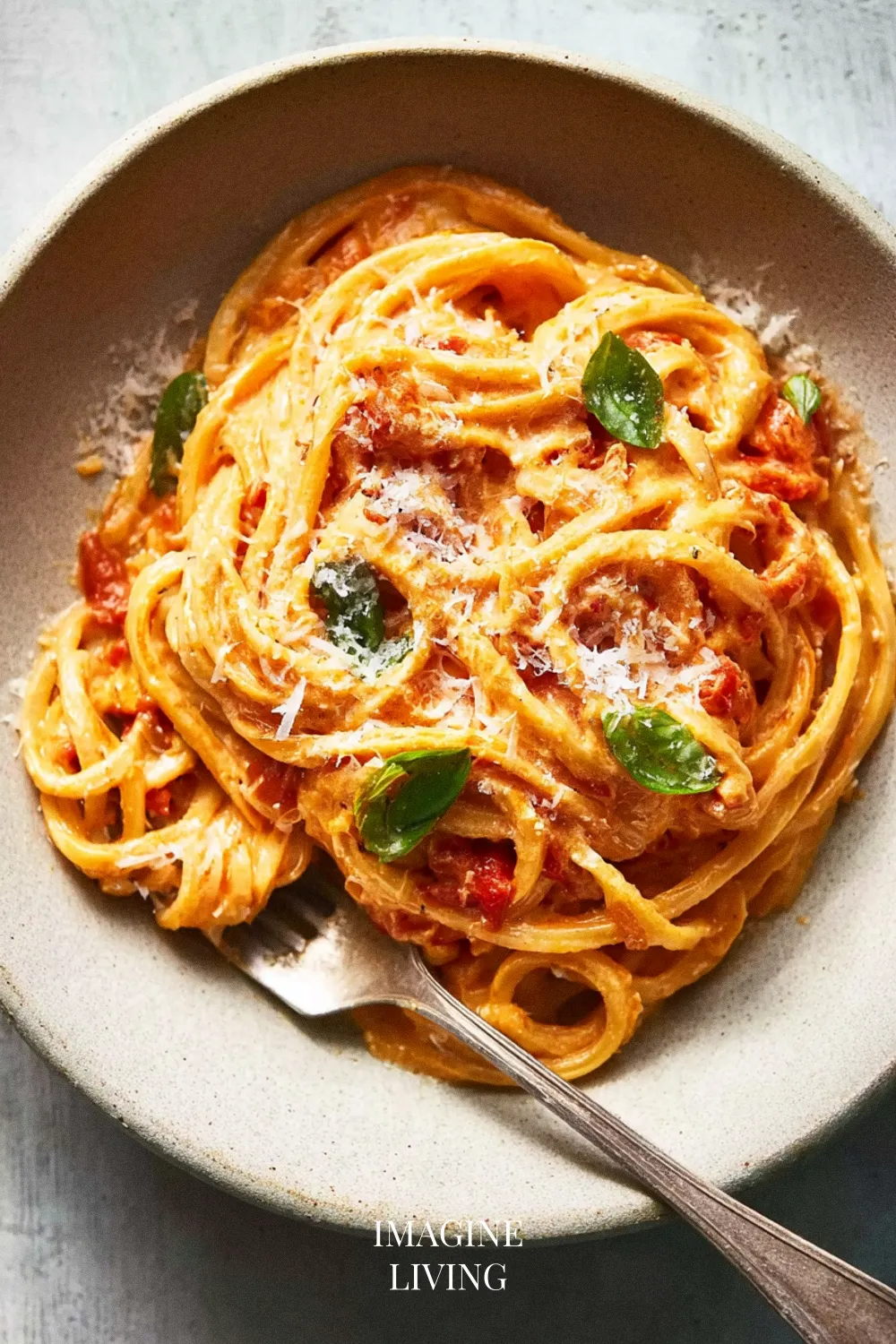
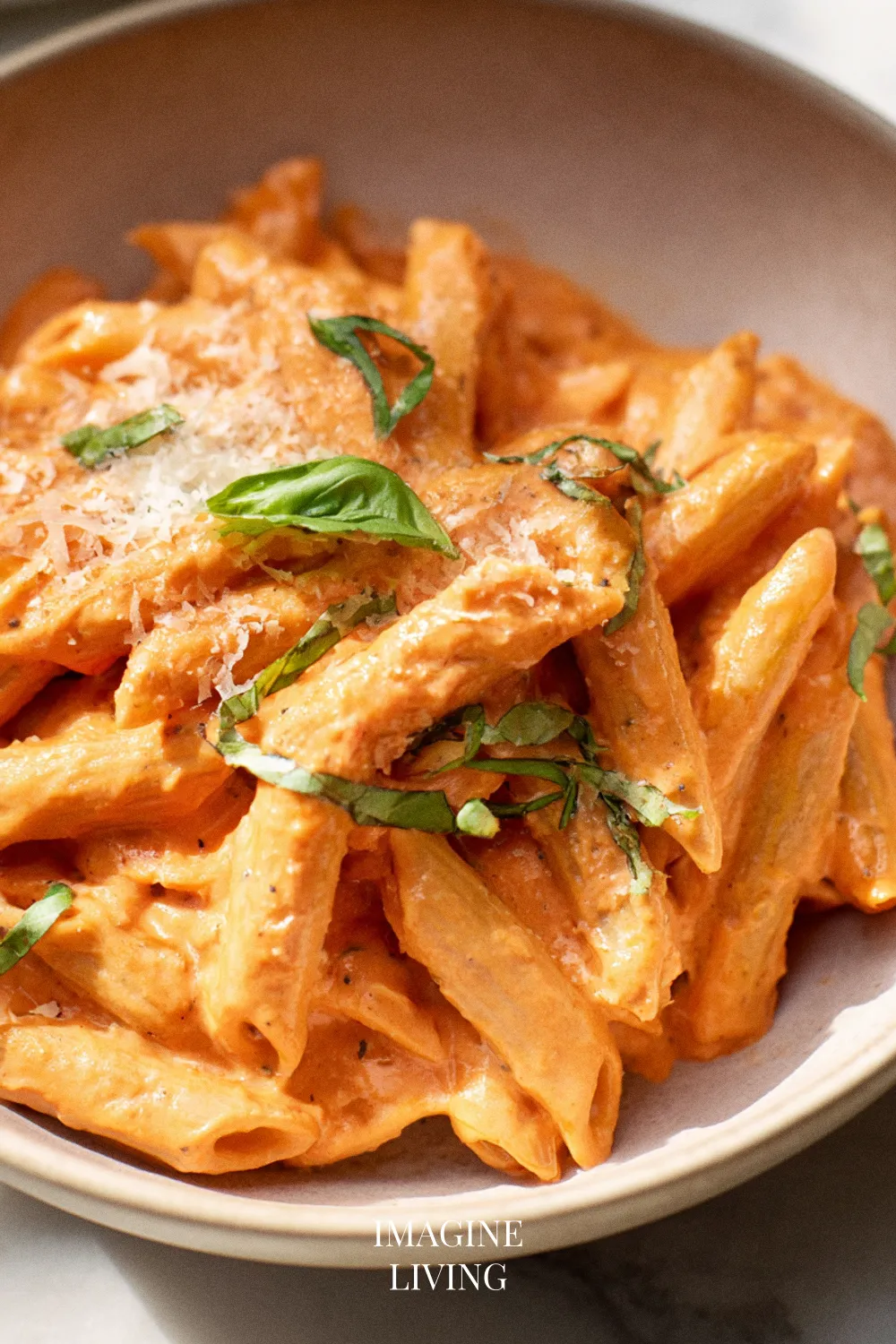
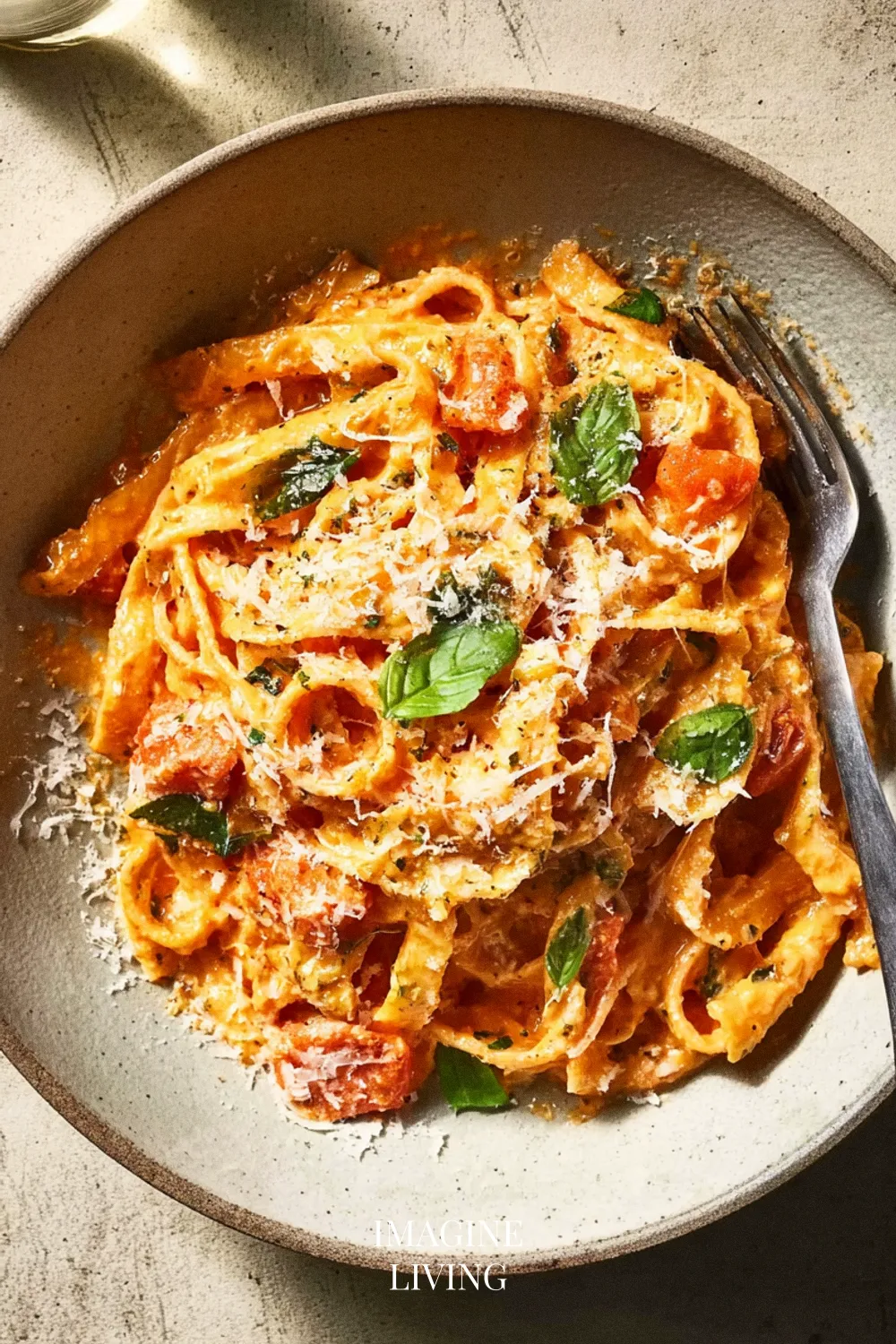
Serve creamy tomato basil pasta in warm bowls, garnished with fresh basil and a generous sprinkle of grated Parmesan. A simple green salad with vinaigrette brings a nice contrast, and a chilled white wine fits easily alongside it.
Storage and Reheating
To store leftovers, place creamy tomato basil pasta in an airtight container in the refrigerator for up to three days. When reheating, add a splash of cream or reserved pasta water to restore its creamy texture. Warm gently on the stove over low heat, stirring occasionally.
Common Mistakes to Avoid
There’s nothing tricky here—just a few places where a little attention helps.
Overcooking the Pasta
A common error is cooking pasta too long. Aim for al dente for the best texture.
Tip: Always read the package instructions.
If it goes slightly past al dente, it’s still workable—just avoid extra simmering in the sauce.
Not Adjusting Sauce Consistency
Sauce may become too thick; keep reserved pasta water handy.
Tip: Gradually add water as you reheat leftovers.
A tablespoon or two usually does the job.
Skipping the Seasoning
Forego taste-testing; salt enhances flavors significantly.
Tip: Adjust seasoning before serving.
A quick taste right before plating helps catch anything missing.
Using Old Basil
Stale or brown basil will dull the sauce’s flavor.
Tip: Use fresh basil for optimal taste.
A fresh bunch makes all the difference here.
Neglecting to Save Pasta Water
Discarding cooked pasta water means losing a key ingredient for sauce adjustments.
Tip: Always save some for later.
It’s easy to forget—worth keeping a mug nearby.
FAQs
Can I use dried basil instead of fresh?
While you can substitute dried basil, fresh basil gives the best flavor in this recipe. Use about one-third the amount since dried herbs are more concentrated.
Is it possible to make this recipe gluten-free?
Absolutely! Simply swap in gluten-free pasta for a delicious alternative.
Can I prepare the sauce in advance?
Yes, the sauce can be made ahead of time and stored in the refrigerator for up to three days. Just reheat and toss with freshly cooked pasta.
Can I freeze creamy tomato basil pasta?
It is best not to freeze the pasta as it might become mushy. Instead, you can freeze the sauce alone for future meals.
What can I serve with creamy tomato basil pasta?
Pair with a fresh green salad or garlic bread to complement the creamy texture of the pasta.
A Delicious Finale to Your Culinary Journey
Once everything’s plated and the basil settles into the warm sauce, the dish feels calm and satisfying—nothing more complicated than good ingredients doing their job well. Enjoy the moment, and the meal.
Creamy Tomato Basil Pasta
Equipment
- Large pot
- Skillet
- Wooden spoon
- Measuring cups and spoons
Ingredients
For the Sauce
- 2 tablespoons olive oil
- 3 cloves garlic minced
- 1 can (14 oz/400 g) crushed tomatoes
- 1 cup (240 ml) heavy cream
- 1 teaspoon sugar
- Salt and pepper to taste
- 1 cup fresh basil packed, chopped
For the Pasta
- 12 oz (340 g) fettuccine or your choice of pasta
- Grated Parmesan cheese for serving
Instructions
Step 1: Cook the Pasta
- Bring a large pot of salted water to a boil. Add the pasta and cook according to the package directions until al dente, stirring occasionally.
- Tip: Save a cup of pasta water before draining; you may need it to adjust the sauce’s consistency.
Step 2: Prepare the Sauce
- While the pasta cooks, heat olive oil in a skillet over medium heat. Add minced garlic and sauté until fragrant, about 1 minute.
- Tip: Be careful not to burn the garlic; it should be golden, not brown.
Step 3: Add Tomatoes and Cream
- Stir in the crushed tomatoes and bring the mixture to a gentle simmer. Add the heavy cream and sugar, and season with salt and pepper. Allow it to simmer for 5-7 minutes until thickened slightly.
Step 4: Combine with Pasta
- Once the pasta is cooked and drained, add it to the skillet with the sauce. Toss gently to ensure the pasta is evenly coated. Stir in the chopped basil just before serving.
- Tip: If the sauce is too thick, gradually add some reserved pasta water until you reach your desired consistency.