Breakfast Charcuterie Board
A breakfast charcuterie board has a quiet kind of charm—the colors, the freshness, the small choices you make as you place each item. There’s a moment when the fruit catches the light and you realize this is simpler than it looks. And if anything ends up slightly uneven, that lived‑in look works in its favor. There’s something reassuring about that — like the board knows how to take care of itself.
Why You’ll Love This Recipe
Creating a breakfast charcuterie board is a beautiful way to celebrate the morning. It allows for customization, catering to everyone’s preferences, whether you’re serving family or hosting friends.
- No cooking required! Perfect for a stress-free meal.
- Visually stunning, making every bite an experience.
- Easy to tailor based on seasonal ingredients or dietary needs.
- Great for sharing and making connections around the table.
“The easiest way to make breakfast feel special.” Imagine Living
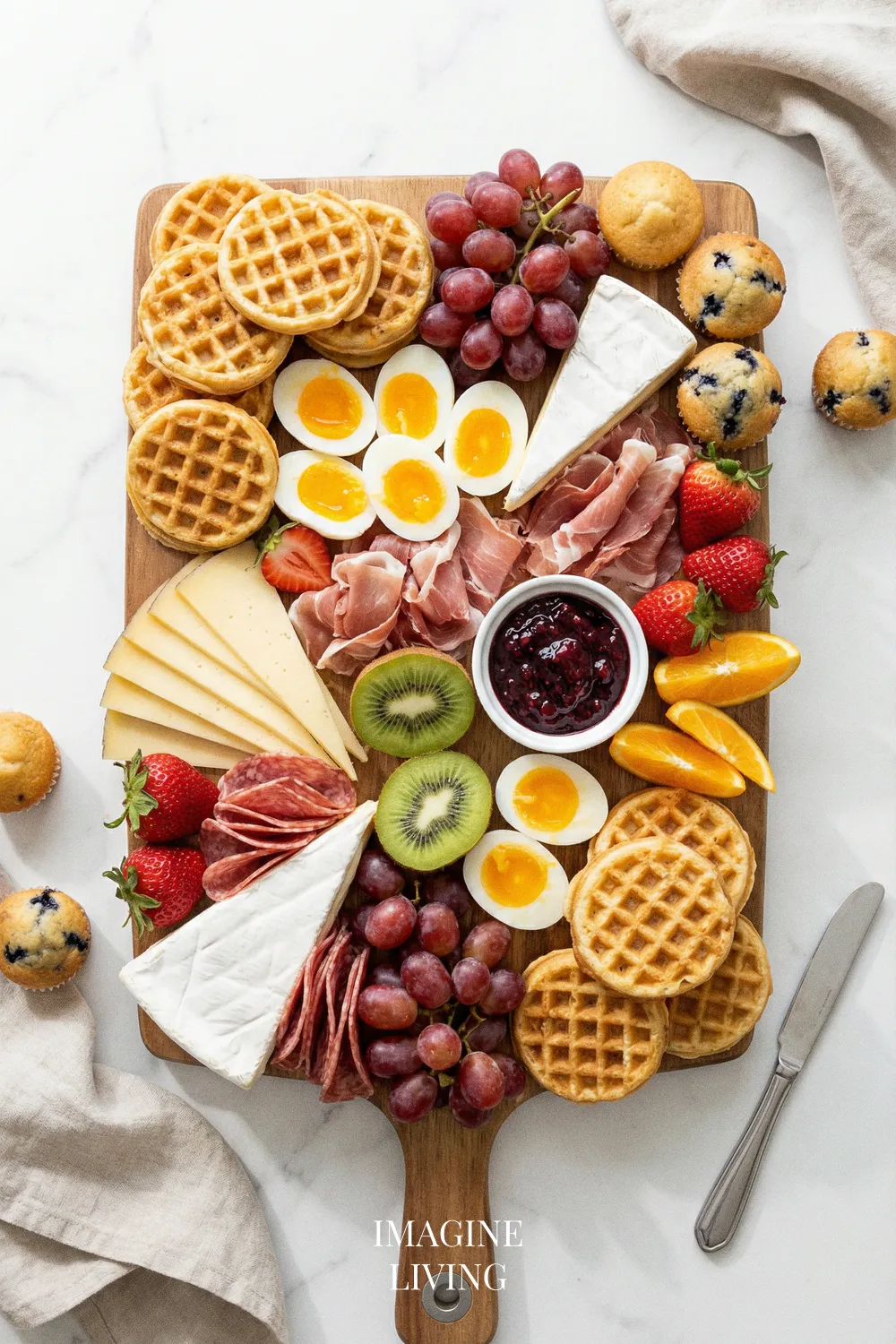
Ingredients: Breakfast Charcuterie Board
Servings: 4-6
For the Meats
- 6 oz (170 g) prosciutto
- 6 oz (170 g) salami
- 6 oz (170 g) smoked turkey or chicken
For the Cheeses
- 4 oz (115 g) brie cheese
- 4 oz (115 g) aged cheddar
- 4 oz (115 g) goat cheese
For the Fruits
- 1 cup mixed berries (strawberries, blueberries, raspberries)
- 2 ripe peaches, sliced
- 1 cup grapes
For the Extras
- 1 cup mixed nuts (almonds, walnuts, pecans)
- 1 cup granola
- 1 small jar of honey
- Assorted artisan bread or crackers
Options: Consider using gluten-free crackers or plant-based cheese alternatives for a dietary-friendly version.
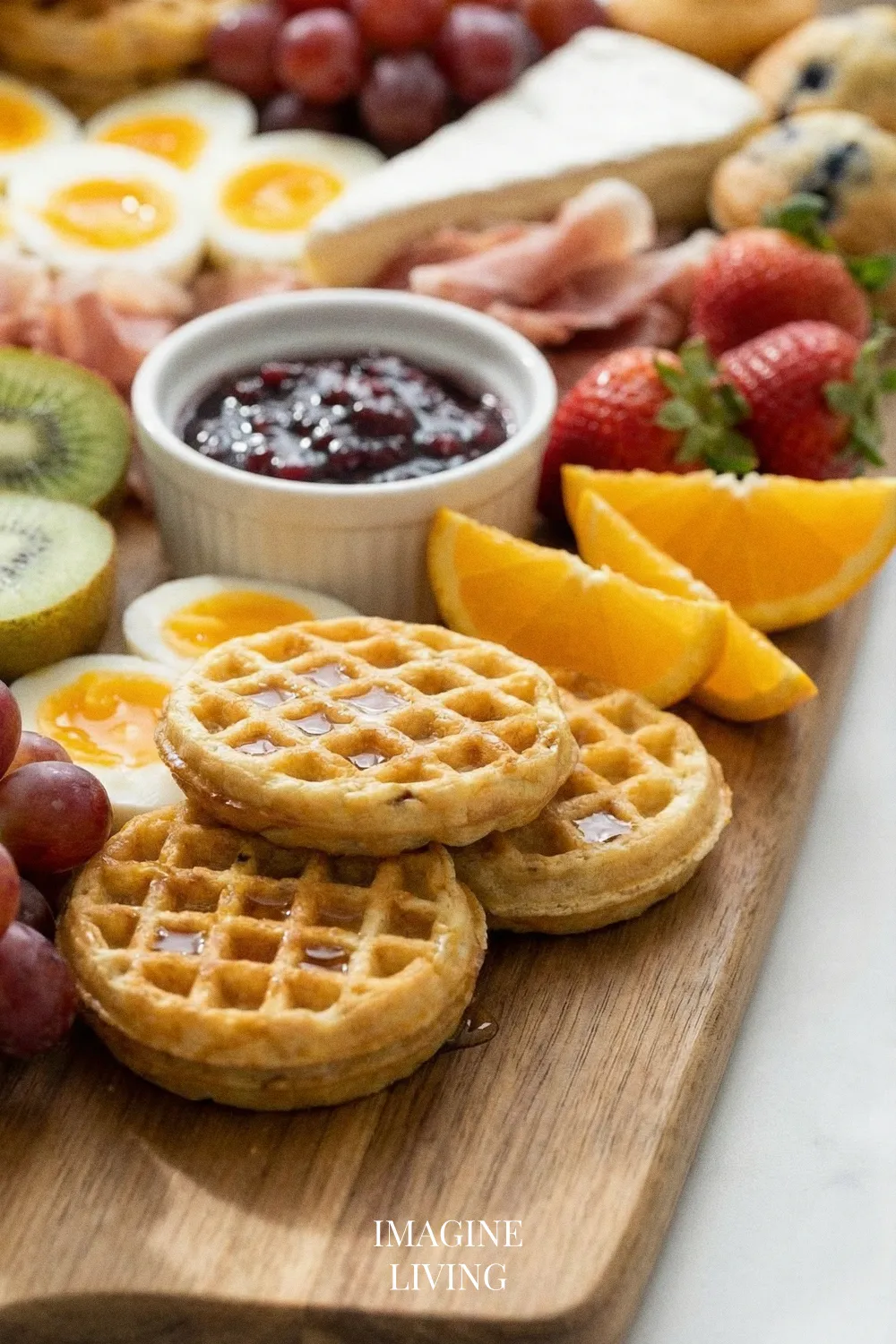
Equipment Needed
- Large wooden board or platter
- Small bowls for honey and nuts
- Cheese knife
- Serving utensils
Step-By-Step Guide: Building Your Breakfast Charcuterie Board
A board like this is mostly about pacing—placing things down, stepping back for a second, then filling in what’s missing. It looks more involved than it is.
Step 1: Create the Base
Start with a large wooden board or platter, ensuring there’s enough space to arrange all your ingredients appealingly.
Tip: Use a mix of heights by placing small bowls around the board for visual interest.
Step 2: Add the Cheeses
Place the cheeses on the board first. Arrange them in clusters and consider slicing some for easy serving. — There’s always a small pause here, deciding which cheese goes where.
Tip: Position the creamy cheeses near the drier meats to balance flavors.
Step 3: Layer in the Meats
Fan the slices of prosciutto and salami around the cheeses. Feel free to roll or fold slices for a textured look.
— If a slice resists folding, let it fall into a natural shape; it usually ends up looking better anyway.
Step 4: Fill in with Fruits
Scatter berries, sliced peaches, and grapes generously across the board. Their vibrant colors will brighten the overall appearance.
Tip: Choose fruits that don’t brown quickly to maintain freshness.
Step 5: Add Nuts and Granola
Place small bowls of mixed nuts and granola in the empty spaces, filling in the gaps and providing a delightful crunch.
Step 6: Drizzle with Honey
Add a small jar of honey for drizzling, offering a sweet contrast to the savory components.
— That moment when the honey catches the light always feels satisfying.
Step 7: Serve with Bread or Crackers
Finish by placing an assortment of artisanal bread or crunchy crackers around the board for serving.
“Presentation is everything.” Thomas Keller
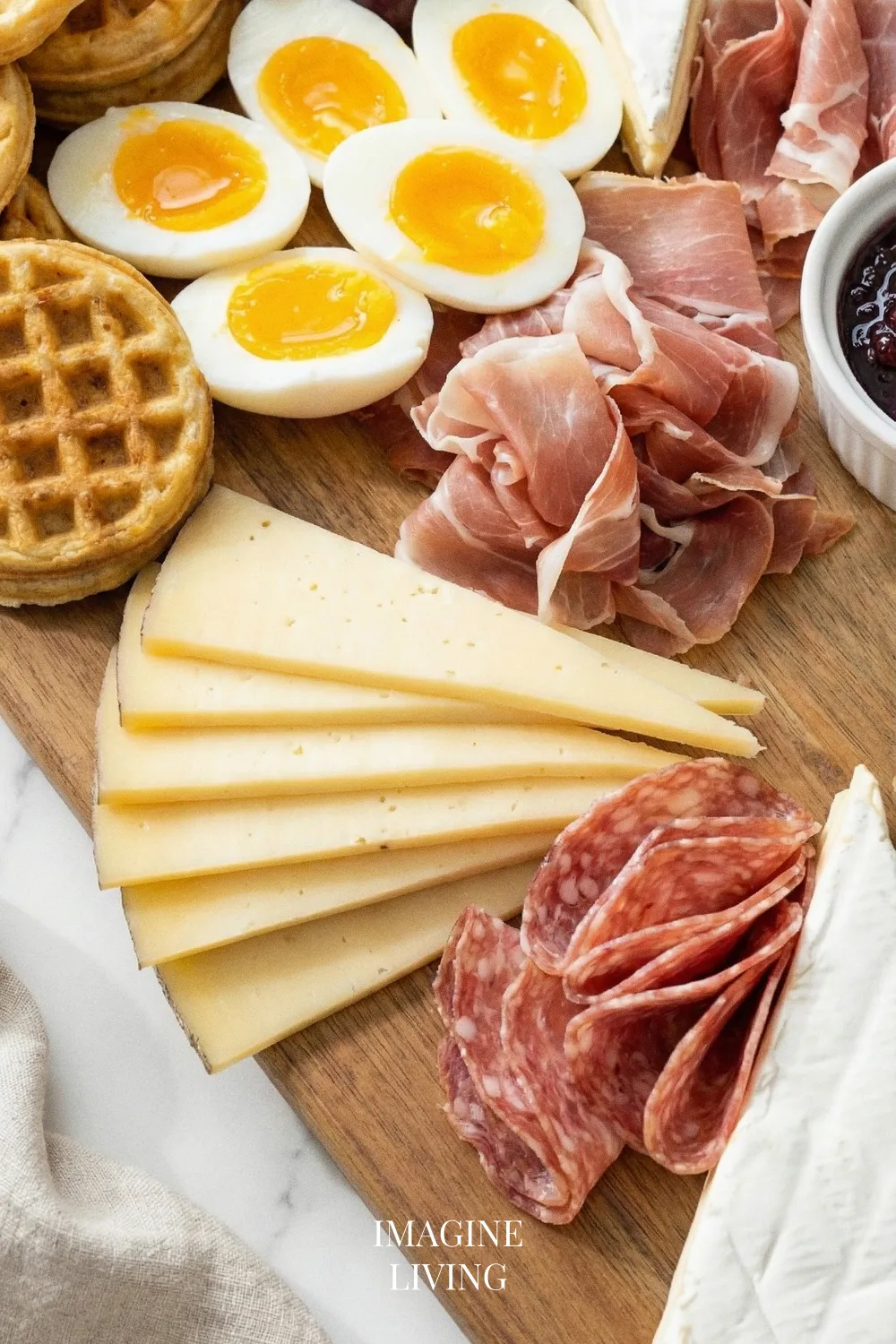
Pro Tips for Breakfast Charcuterie Board
A few gentle reminders can make the whole process smoother.
- Use a variety of flavors: sweet, savory, and tangy to engage the palate.
- Opt for seasonal fruits for the freshest taste.
- Include a mix of textures—smooth cheeses, tender meats, and crunchy nuts.
- Don’t forget dietary preferences; include one or two vegetarian options.
- Arrange items in a visually pleasing pattern for an inviting presentation.
— It’s funny how the board usually tells you when it’s done.
Dietary Variations & Substitutions
Gluten-Free Version
- Use gluten-free crackers instead of regular bread or crackers, maintaining the same quantity.
- Ensure any granola used is labeled gluten-free to avoid cross-contamination.
- If using gluten-free bread, toast it slightly to enhance crunchiness.
Tip: Arrange gluten-free items separately to avoid mixing with gluten-containing foods.
Dairy-Free
- Substitute all cheeses with plant-based cheese alternatives (use the same amounts).
- Replace any creamy elements with dairy-free yogurt or spreads, ensuring they are nut-free if allergies are a concern.
- Check the granola for dairy ingredients and choose a dairy-free option.
Tip: A sprinkle of nutritional yeast can mimic cheesy flavors in a dairy-free board.
Vegan Option
- Replace all meats and cheeses with plant-based options such as hummus, avocado, and vegan cheese spreads (same amounts).
- Ensure granola and crackers are vegan-friendly, avoiding honey.
- Use fruits like banana and apple slices for natural sweetness instead of honey.
Tip: Offer a variety of dips, like guacamole or vegan tzatziki, for added flavor.
Nut-Free
- Omit mixed nuts and replace them with seeds like pumpkin or sunflower seeds in the same volume.
- Use nut-free granola alternatives to keep the crunchy element.
- Pair fruits with seed-based spreads like sunbutter instead of nut butters.
Tip: Always check for cross-contamination with nuts when selecting packaged items.
High-Protein
- Incorporate additional high-protein items like hard-boiled eggs or edamame.
- Opt for Greek yogurt in place of regular yogurt if added.
- Include more varieties of meat or additional plant-based proteins to elevate the protein content.
Tip: Pair with protein-rich dips like bean dips for extra nutrition.
Vegetarian Version
- Substitute meats with additional cheese varieties, roasted vegetables, or stuffed peppers.
- Ensure that all components, including granola and condiments, are vegetarian-friendly.
- Add in protein-rich options like chickpeas or lentils for added substance.
Tip: A drizzle of balsamic reduction over the veggies can enhance flavors without meat.
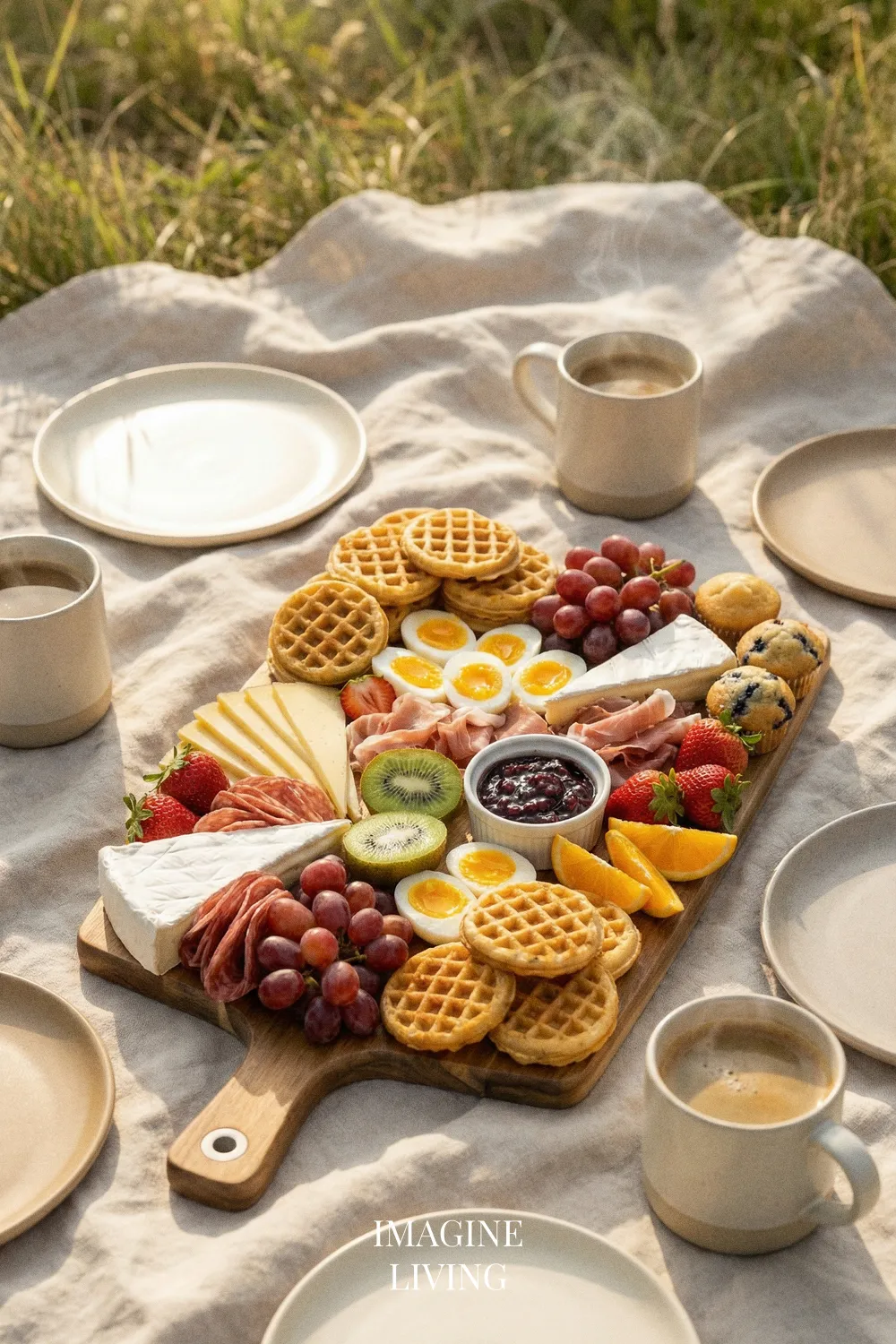
Creative Variations: Breakfast Charcuterie Board Ideas
Sweet and Savory Twist
Add slices of French toast or pancakes in place of some meats.
Tip: Serve with maple syrup for drizzling.
Vegan Option
Swap meats and cheeses with avocado, hummus, and vegan cheese spreads.
Tip: Include a variety of crispy vegetable sticks alongside.
Mediterranean Delight
Incorporate olives, roasted red peppers, and feta cheese for a unique flair.
Tip: Serve with pita bread or pita chips.
Breakfast Pastry Board
Include assorted pastries like croissants, danishes, and muffins.
Tip: Pair with fresh fruit preserves for a sweet touch.
Nut Butter Focus
Add several nut butters (like almond and peanut butter) with banana slices and apple wedges.
Tip: Consider drizzling some honey for added sweetness.
“Cooking is about connecting with the people around you.” Giada De Laurentiis
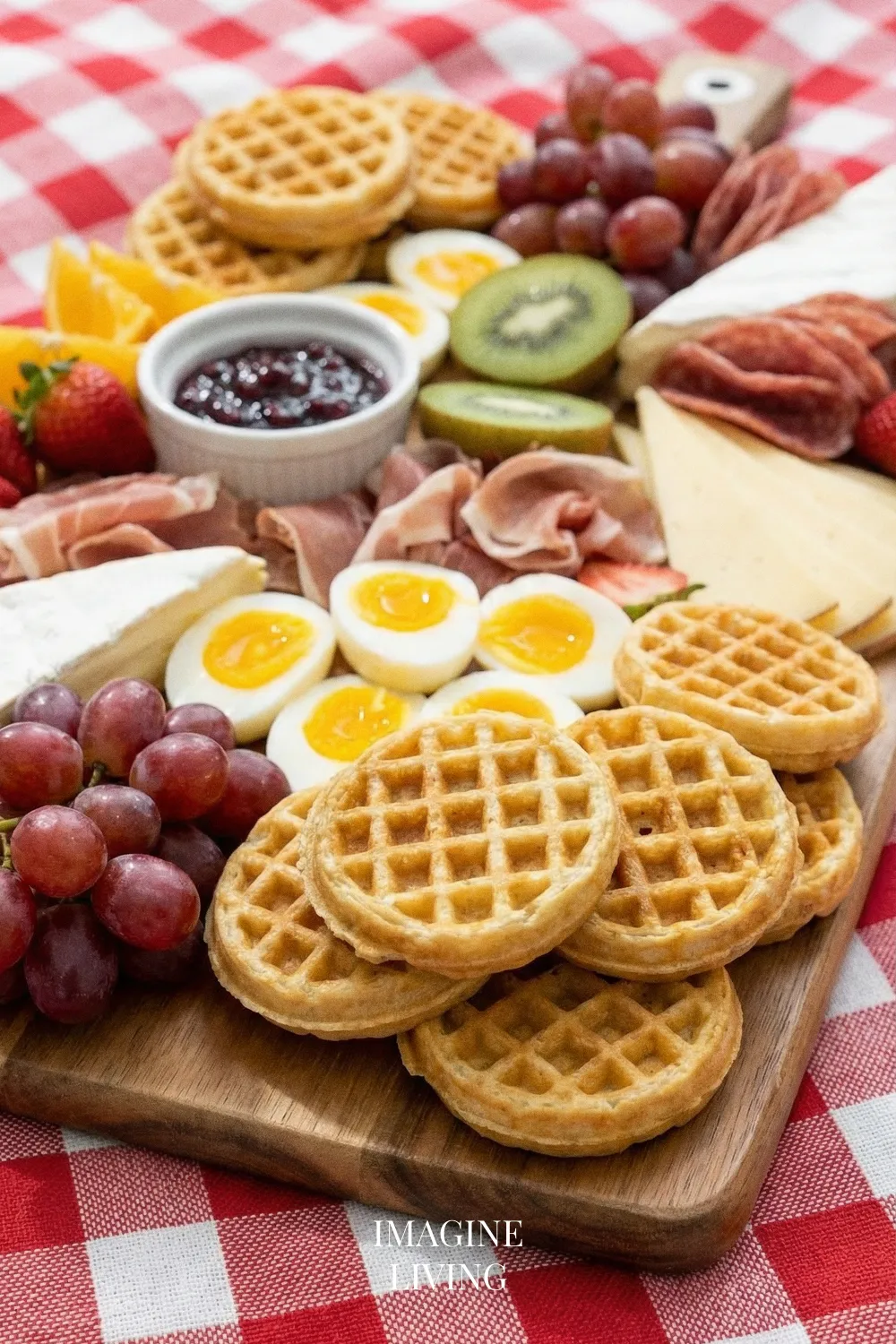
Serving Suggestions
Pair your breakfast charcuterie board with freshly brewed coffee, herbal teas, or mimosas to elevate the experience. It’s perfect for casual family breakfasts, leisurely brunches with friends, or even special occasions like holidays and celebrations.
Storage and Reheating
While charcuterie boards are best served fresh, you can store leftovers in airtight containers in the refrigerator for up to 2 days. Reassemble the board as desired or enjoy components separately.
Common Mistakes to Avoid
A few small pitfalls can make the process feel more stressful than it needs to be, but they’re easy to navigate.
Overcrowding the Board
Leave plenty of space for each item; this ensures visual appeal.
Tip: Don’t be afraid to scale back if you feel it’s getting too full.
A little breathing room always looks intentional.
Using Only One Type of Meat
Variety enhances flavor; balance lean meats with richer options. A simple swap can shift the whole board for the better.
Skipping Seasonal Ingredients
Fresh, seasonal produce not only tastes better but also looks more inviting. Even one seasonal element can lift the whole spread.
Ignoring Dietary Needs
Keep everyone in mind; include vegetarian or gluten-free options. It’s an easy kindness that goes a long way.
Not Considering Texture
Mix textures for a more delightful eating experience; sharp cheeses with creamy spreads work well together. Texture keeps each bite interesting without extra effort.
FAQs
What can I substitute for meats?
Use grilled vegetables or a variety of cheese spreads for flavor.
Can I prepare this board in advance?
Yes, you can prep components a day ahead and assemble just before serving.
What if I have leftovers?
Store in airtight containers in the fridge, and enjoy within 2 days.
How do I pair drinks with my charcuterie board?
Coffee, teas, or sparkling drinks like mimosas work beautifully.
What types of cheese work best?
Brie, cheddar, goat cheese, and blue cheese provide a range of flavors and textures.
Finding Joy in Breakfast Charcuterie Boards
A breakfast board settles into its own rhythm once everything’s on the table. There’s no rush and no perfect placement—just a simple, generous spread that sets the morning off on a good note.
Breakfast Charcuterie Board
Equipment
- Large wooden board or platter
- Small bowls for honey and nuts
- Cheese knife
- Serving utensils
Ingredients
For the Meats
- 6 oz prosciutto
- 6 oz salami
- 6 oz smoked turkey or chicken
For the Cheeses
- 4 oz brie cheese
- 4 oz aged cheddar
- 4 oz goat cheese
For the Fruits
- 1 cup mixed berries (strawberries, blueberries, raspberries)
- 2 ripe peaches, sliced
- 1 cup grapes
For the Extras
- 1 cup mixed nuts (almonds, walnuts, pecans)
- 1 cup granola
- 1 small jar honey
- assorted artisan bread or crackers
Instructions
Step 1: Create the Base
- Start with a large wooden board or platter, ensuring there’s enough space to arrange all your ingredients appealingly.
- Tip: Use a mix of heights by placing small bowls around the board for visual interest.
Step 2: Add the Cheeses
- Place the cheeses on the board first. Arrange them in clusters and consider slicing some for easy serving.
- Tip: Position the creamy cheeses near the drier meats to balance flavors.
Step 3: Layer in the Meats
- Fan the slices of prosciutto and salami around the cheeses. Feel free to roll or fold slices for a textured look.
Step 4: Fill in with Fruits
- Scatter berries, sliced peaches, and grapes generously across the board. Their vibrant colors will brighten the overall appearance.
- Tip: Choose fruits that don’t brown quickly to maintain freshness.
Step 5: Add Nuts and Granola
- Place small bowls of mixed nuts and granola in the empty spaces, filling in the gaps and providing a delightful crunch.
Step 6: Drizzle with Honey
- Add a small jar of honey for drizzling, offering a sweet contrast to the savory components.
Step 7: Serve with Bread or Crackers
- Finish by placing an assortment of artisanal bread or crunchy crackers around the board for serving.