Matcha Espresso Latte Recipe
The first swirl of matcha in warm water rises with a soft, grassy aroma, and there’s a small moment where everything slows down — just enough to notice the color settle into itself. I like that this drink doesn’t ask for perfection; it just comes together, layer by layer, with a bit of care. And if the contrast of deep espresso and bright green feels dramatic, well, that’s part of its charm.
Why You’ll Love This Recipe
This Matcha Espresso Latte is a delightful combination that brings together the best of both worlds. The earthy notes of matcha complement the robust flavor of espresso, creating a harmonious drink that’s not only stunning but also energizing.
- Quick and easy to make at home.
- Packed with antioxidants and a gentle caffeine boost.
- Versatile enough for customized sweetness or milk preferences.
Ingredients: Matcha Espresso Latte Recipe (Serves 2)
For the Matcha
- 2 teaspoons (5 g) matcha powder
- 1/4 cup (60 ml) hot water (not boiling)
For the Espresso
- 2 shots (60 ml) espresso or strong coffee
For the Milk
- 1 cup (240 ml) milk of choice (dairy or non-dairy)
- Sweetener to taste (honey, maple syrup, or agave optional)
Options: Oat milk provides a naturally sweeter option, or use almond milk for a nutty twist.
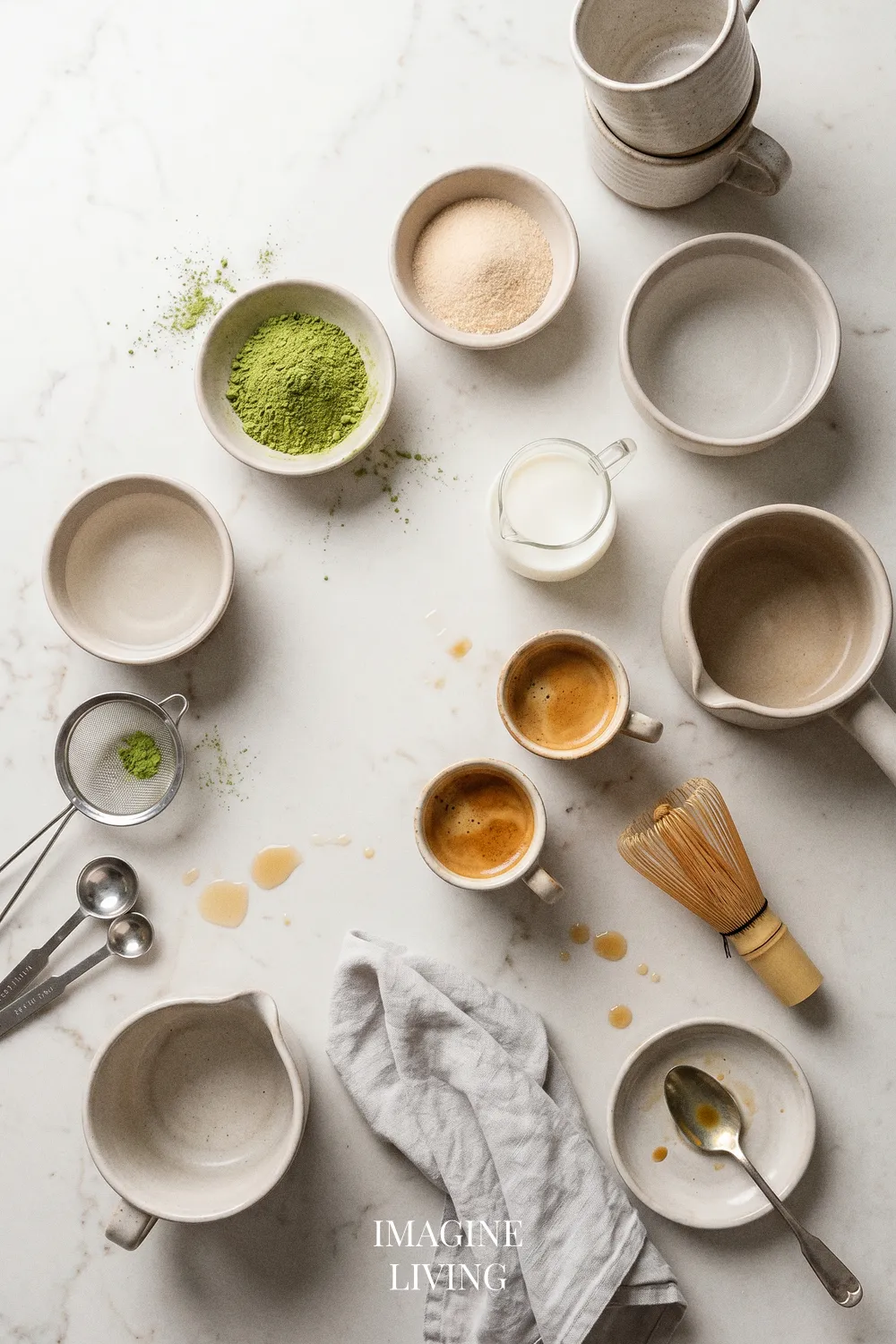
Equipment Needed
- Whisk or frother for matcha
- Espresso machine or coffee maker
- Measuring spoons
- Small saucepan (for heating milk)
- Two cups for serving
Step-By-Step Guide: How to Make a Matcha Espresso Latte
A latte like this is mostly about balance — heat, texture, and a little patience. But each step is easier than it looks once you’re in it.
Prepare the Matcha
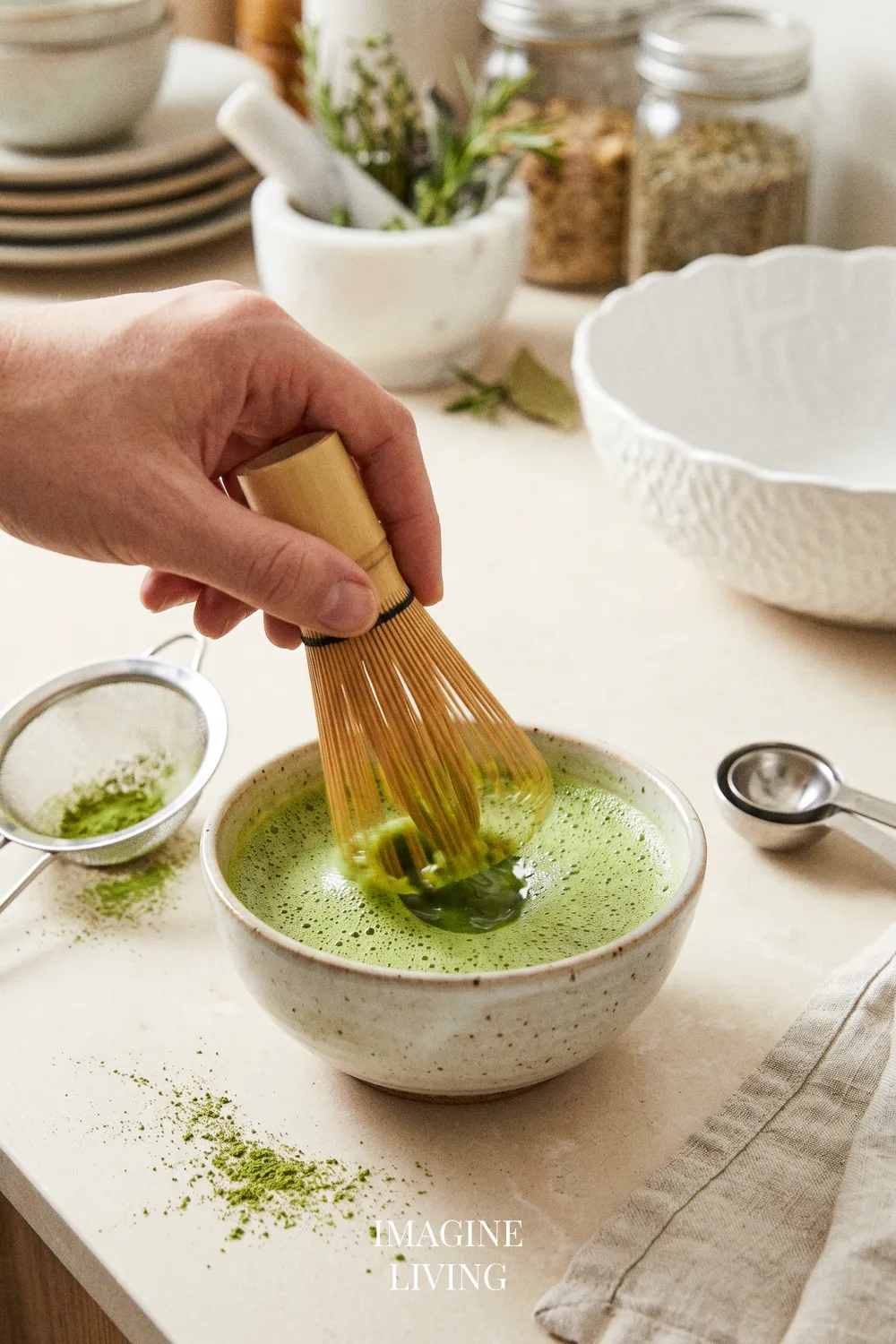
Start by sifting the matcha powder into a bowl to avoid clumps. Gradually whisk in hot water using a bamboo whisk or frother until it’s smooth and frothy. A small pause here helps the matcha fully bloom — it happens almost instantly.
Tip: Make sure the water isn’t boiling to preserve the delicate flavor of the matcha.
Brew the Espresso
Prepare two shots of espresso using your espresso machine or coffee maker. Set aside and let it cool slightly. The slight cooling keeps it from overwhelming the matcha when they meet.
Heat the Milk
In a small saucepan, gently heat the milk over medium heat until warm but not boiling. If you’d like, froth the milk using a frother for a creamy texture. There’s a quiet moment when the milk steams just enough — easy to miss, but satisfying when you catch it.
Tip: For a naturally sweeter latte, try using oat milk as it has a lovely, hint of sweetness.
Option note: If using almond milk, consider adding a few crushed almonds on top for added texture.
Combine and Serve
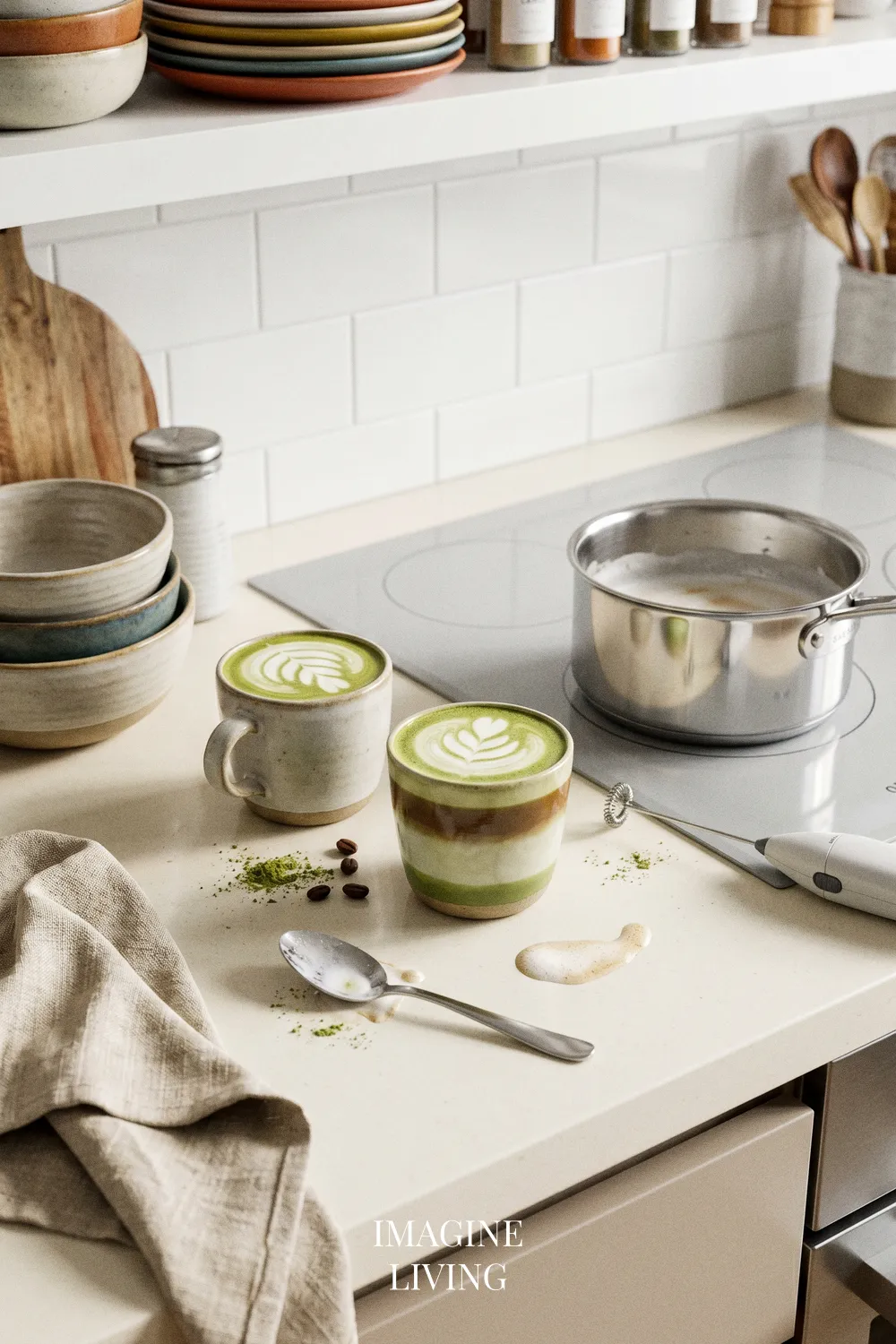
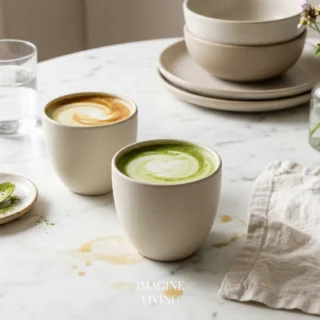
In two cups, pour half of the espresso, followed by the prepared matcha. Top with the frothed milk, allowing the green and brown to swirl together beautifully. Sweeten to taste. The colors always land a little differently each time — a tiny surprise in the cup.
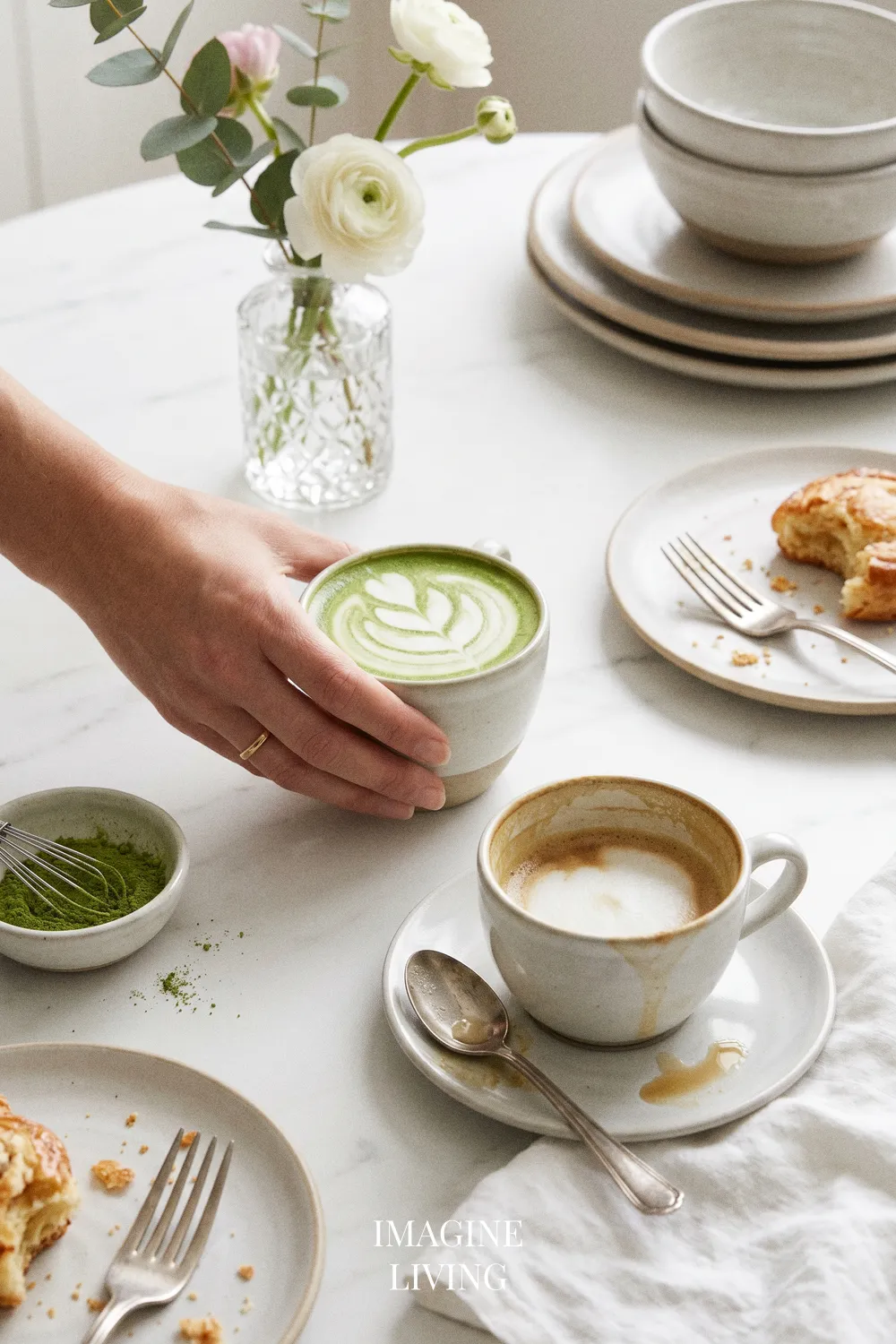
Tip: For an extra visual treat, create latte art by carefully pouring the milk over the matcha.
Pro Tips for Matcha Espresso Latte
A few small choices can make this drink feel especially smooth and balanced.
- Use high-quality matcha for the best flavor and vibrant color.
- Adjust the espresso strength to match your personal taste; a single shot works well too.
- Experiment with different types of milk for unique flavors and textures.
- If you love a sweeter latte, add a bit more sweetener gradually until it suits your palate.

Dietary Variations & Substitutions
Gluten-Free Version
- All ingredients are naturally gluten-free; no swaps needed.
- Ensure that any sweeteners or flavorings (like syrups) are labeled gluten-free to avoid cross-contamination.
Tip: Check your matcha brand for contamination warnings if you’re sensitive to gluten.
Dairy-Free
- Replace milk with any dairy-free alternative such as oat milk, almond milk, or coconut milk (same amount).
- Using a creamier nut-free alternative like soy or hemp milk can achieve a similar richness.
Tip: Sweetened non-dairy milk can enhance the overall flavor of the latte.
Vegan
- Use non-dairy milk (as mentioned above) instead of regular milk.
- Sweeten with maple syrup or agave nectar instead of honey.
Tip: For a frothy texture, ensure non-dairy milk is labeled as barista or frothing-friendly.
Nut-Free
- Replace almond milk with oat milk, soy milk, or coconut milk to avoid nuts.
- Consider using hemp milk or rice milk as alternatives if nut allergies are severe.
Tip: Always verify that your sweetener or any additional flavorings are also nut-free to prevent cross-contamination.
Low-Sugar
- Reduce sweetener by half and use unsweetened non-dairy milk to lower sugar levels.
- Consider stevia or erythritol as sugar alternatives to maintain sweetness without added sugars.
Tip: Adding a pinch of sea salt can enhance sweetness without increasing sugar.
High-Protein
- Use soy milk or pea protein milk as a substitute for regular milk to boost the protein content.
- Consider adding a tablespoon of protein powder that complements the flavor for an extra protein kick.
Tip: Blend the protein powder into the matcha mix for better incorporation.

Creative Variations: Matcha Espresso Latte Ideas
Iced Matcha Espresso Latte
Serve this drink over ice for a refreshing summer twist.
Tip: Use cold milk to prevent dilution.
Matcha Vanilla Latte
Add a splash of vanilla extract to the milk for a sweet aroma.
Tip: Pair with a sprinkle of cinnamon for a warming twist.
Sweetened Matcha Latte
Use flavored syrups such as caramel or hazelnut instead of traditional sweeteners.
Tip: Start with just a small amount to find your perfect balance.
Coconut Matcha Espresso Latte
Substitute coconut milk for a tropical flavor.
Tip: Add toasted coconut flakes on top for extra crunch.
Matcha Mint Latte
Incorporate fresh mint leaves into your milk while heating.
Tip: Muddle the mint to release oils before adding milk for a fragrant infusion.
Spiced Matcha Espresso Latte
Stir in a pinch of nutmeg or cardamom for a warm flavor profile.
Tip: Pumpkin spice lovers can add pumpkin puree during fall for seasonal flair.
Chocolate Matcha Latte
Blend in a teaspoon of cocoa powder for an indulgent chocolate flavor.
Tip: Use dark chocolate syrup for a richer taste.
Almond Matcha Latte
Replace regular milk with almond milk for a nutty twist.
Tip: Consider adding a few crushed almonds on top for added texture.
Serving Suggestions
Enjoy your Matcha Espresso Latte as a stand-alone treat or pair it with:
- A slice of lemon drizzle cake
- Vegan energy balls
- Light pastries like croissants or almond muffins
Storage and Reheating
It’s best to enjoy your Matcha Espresso Latte fresh. However, if you have leftovers, store them in the refrigerator for up to 24 hours. Reheat gently on the stove or in the microwave, avoiding boiling to preserve the flavor.
Common Mistakes to Avoid
A few things can nudge the balance off, but each has an easy fix.
Using Boiling Water
Boiling water can make the matcha taste bitter.
Tip: Always use water that’s around 175°F (80°C).
Not Sifting Matcha
Failing to sift matcha can lead to a lumpy texture. A quick sift keeps everything smooth.
Overheating the Milk
If milk is boiled, it can scorch and alter the taste. Pull it off the heat just as it warms through.
Ignoring Quality
Lower-quality matcha lacks flavor and vibrancy. A brighter powder usually signals good flavor.
Skipping Sweetness
Adjusting sweetness enhances the overall flavor profile. Even a small amount can round things out.
FAQs
What milk is best for a Matcha Espresso Latte?
The best milk is subjective! Whole, oat, and almond milk all offer delicious options.
Can I use matcha tea bags instead of powder?
While powder is recommended for the best taste, tea bags can work in a pinch.
Is matcha good for you?
Yes! Matcha is rich in antioxidants and provides a moderate caffeine boost.
Can I make this latte iced?
Absolutely! Just blend or stir everything over ice for a refreshing version.
How do I sweeten my latte?
You can sweeten your drink with honey, agave, or a flavored syrup of your choice.
A Beautiful Blend of Flavors Awaits
Once the layers settle and the first sip warms through, this latte feels quietly satisfying — simple to make, steady in flavor, and easy to enjoy whenever you want a small pause in the day.
Matcha Espresso Latte
Equipment
- Whisk or frother
- Espresso machine or coffee maker
- Measuring spoons
- Small saucepan
- Two cups
Ingredients
For the Matcha
- 2 teaspoons matcha powder
- 1/4 cup hot water (not boiling)
For the Espresso
- 2 shots espresso or strong coffee
For the Milk
- 1 cup milk of choice (dairy or non-dairy)
- Sweetener to taste (honey, maple syrup, or agave optional)
Instructions
Prepare the Matcha
- Start by sifting the matcha powder into a bowl to avoid clumps. Gradually whisk in hot water using a bamboo whisk or frother until it's smooth and frothy.
- Tip: Make sure the water isn't boiling to preserve the delicate flavor of the matcha.
Brew the Espresso
- Prepare two shots of espresso using your espresso machine or coffee maker. Set aside and let it cool slightly.
Heat the Milk
- In a small saucepan, gently heat the milk over medium heat until warm but not boiling. If you’d like, froth the milk using a frother for a creamy texture.
- Tip: For a naturally sweeter latte, try using oat milk as it has a lovely, hint of sweetness.
Combine and Serve
- In two cups, pour half of the espresso, followed by the prepared matcha. Top with the frothed milk, allowing the green and brown to swirl together beautifully. Sweeten to taste.
- Tip: For an extra visual treat, create latte art by carefully pouring the milk over the matcha.