Vegetable Coconut Curry Recipe You’ll Want to Make Again and Again
A gentle cloud of curry and coconut rises as you start cooking, the kind of scent that settles in quickly. I always notice the moment the vegetables hit the heat—everything seems to wake up at once. This dish looks vibrant but stays easygoing, and you can trust it to come together without fuss. A little part of me still smiles at how reliably comforting it is.
Why You’ll Love This Recipe
This easy, nourishing vegetable coconut curry leans on simple ingredients and steady flavors. Here’s why it tends to stay in the rotation:
- Packed with nutritious vegetables, it’s a great way to boost your fiber intake.
- The creamy coconut milk contrasts beautifully with the warmth of spices.
- It’s quick to prepare, making it perfect for busy weeknights.
- Customizable for various dietary preferences—plant-based, gluten-free, and more.
- A single pot means fewer dishes and a more relaxed cooking experience.
“Coconut curry nights at home, made with love.” M.

Ingredients: Easy Vegetable Coconut Curry
Servings: 4
For the Curry Base:
- 1 tablespoon coconut oil (15 ml)
- 1 medium onion, chopped
- 3 cloves garlic, minced
- 1 tablespoon fresh ginger, grated
- 1 tablespoon curry powder (15 g)
- 1 teaspoon ground cumin (5 g)
For the Vegetables:
- 1 red bell pepper, sliced
- 2 medium carrots, thinly sliced
- 1 zucchini, chopped
- 1 cup (150 g) green beans, trimmed
- 1 cup (150 g) cauliflower florets
For the Coconut Sauce:
- 1 can (14 oz, 400 ml) coconut milk
- 1 cup (240 ml) vegetable broth
- Salt and pepper to taste
- Fresh cilantro for garnish
Options: Add crushed red pepper for heat or use a low-sodium vegetable broth for a lighter version.
Equipment Needed
- Large pot or Dutch oven
- Cutting board
- Sharp knife
- Wooden spoon
- Measuring cups and spoons
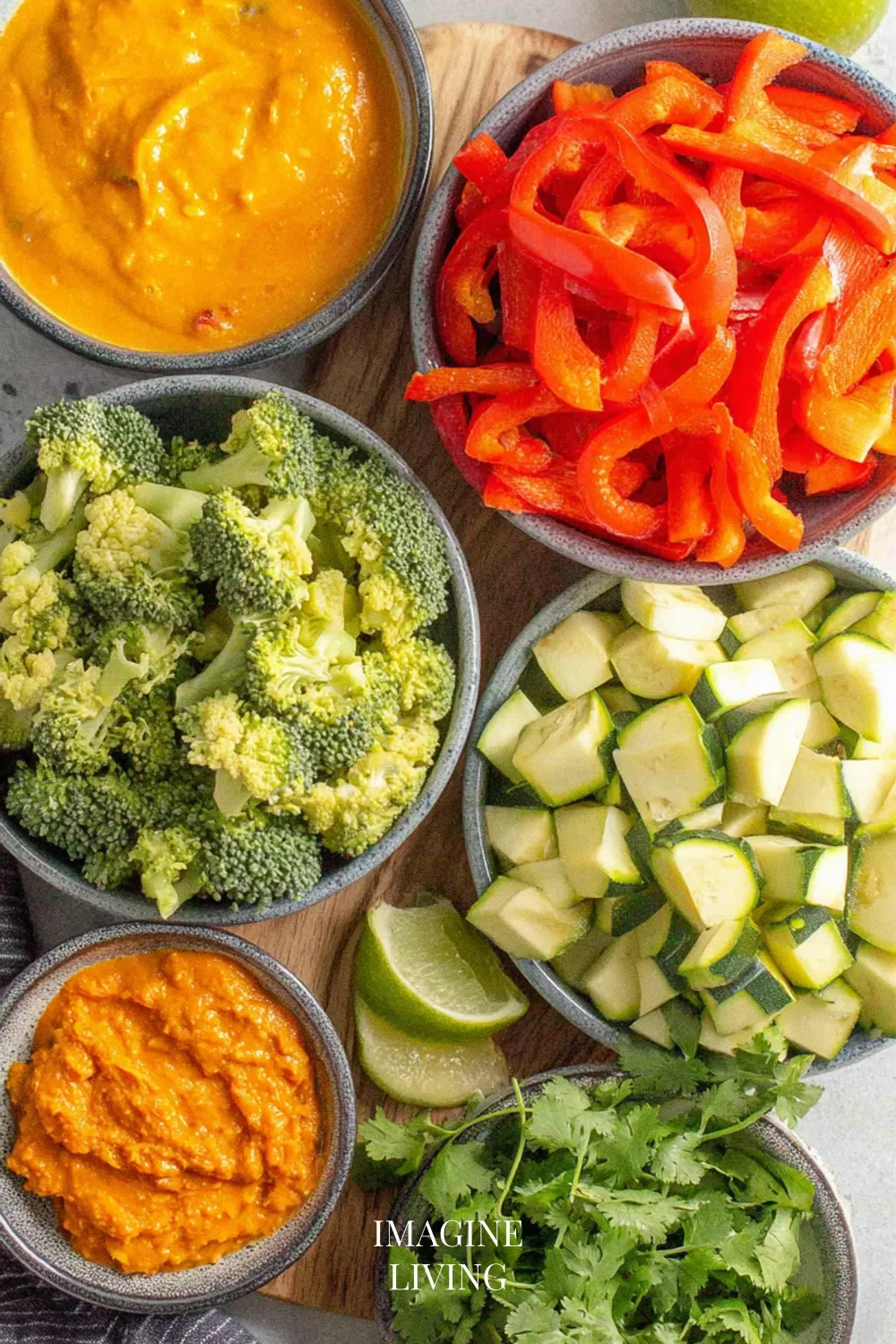
Step-By-Step Guide: How to Make Vegetable Coconut Curry
A gentle simmer is the only real challenge here—heat and timing play the biggest roles, but this part is easier than it looks.
Step 1: Sauté the Aromatics
Heat the coconut oil in your large pot over medium heat. Once melted, toss in the chopped onion and cook until it becomes translucent, about 5 minutes. A quiet sizzle here usually means the heat is just right.
Tip: Stir frequently to avoid burning and enhance the flavors of the onion.
Step 2: Add Garlic and Spices
Stir in the minced garlic and grated ginger, letting their fragrances fill your kitchen. Add curry powder and ground cumin, mixing well for about a minute to bloom the spices. The spices tend to darken slightly—always a good sign.
Step 3: Cook the Vegetables
Add the sliced red bell pepper, carrots, zucchini, green beans, and cauliflower. Stir to combine, allowing them to soften slightly for about 5–7 minutes. You’ll feel the pot get a bit more crowded—normal for this step.
Tip: This step brings out the vegetables’ natural sweetness and colors.
Option note: If using seasonal vegetables, adjust cooking time slightly for the best texture.
Step 4: Pour in Coconut Milk and Broth
Pour the coconut milk and vegetable broth into the pot, stirring to incorporate all flavors. Bring the mixture to a gentle simmer, then reduce the heat and let it cook for 15–20 minutes, or until the vegetables are tender. A soft bubbling is usually enough; no need to push the heat.
Step 5: Season and Serve
Taste the curry and adjust the salt and pepper as needed. Remove from heat and garnish with fresh cilantro before serving. There’s always a moment when the seasoning suddenly clicks into place.
“Cooking is like love. It should be entered into with abandon or not at all.” — Harriet Van Horne
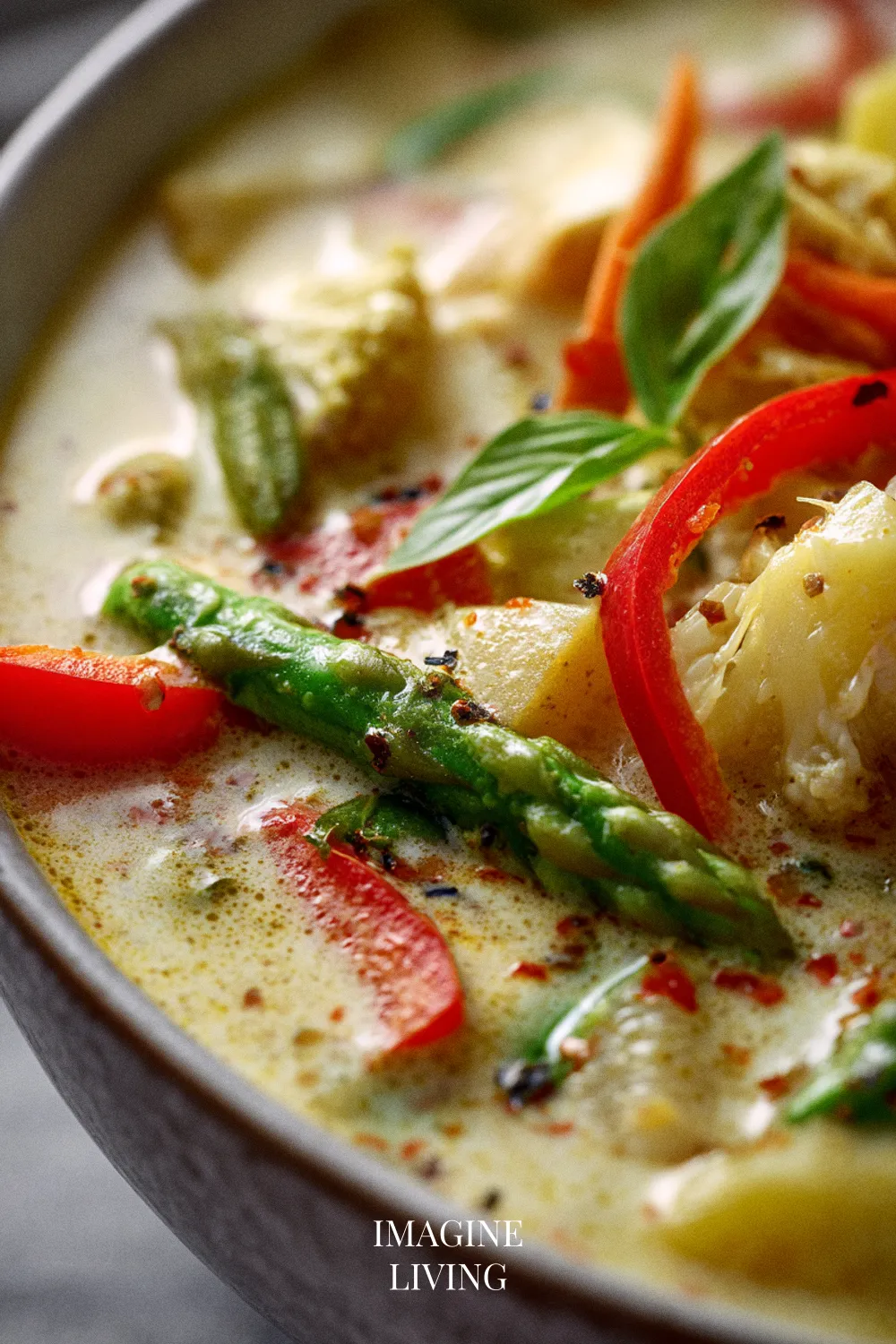
Pro Tips for Vegetable Coconut Curry
A few small adjustments can make this curry even more satisfying.
- Use seasonal vegetables for the freshest taste.
- Adjust the spice level by adding a pinch of cayenne or chili flakes for heat.
- Leftovers taste even better the next day; the flavors deepen overnight.
- Serve with warm naan or jasmine rice for a complete meal.
- Experiment with different herbs like basil or mint for a fresh twist.
One small note: a little extra cilantro near the end always seems to brighten things up.
Dietary Variations & Substitutions
Gluten-Free Version
- Ensure that your curry powder and vegetable broth are certified gluten-free.
- Use tamari instead of soy sauce if adding tempeh for a gluten-free option.
- No adjustments needed in cooking time or temperature.
Tip: Check labels for cross-contamination with gluten when selecting packaged products.
Dairy-Free
- This recipe is already dairy-free as it uses coconut milk instead of dairy products.
- Make sure that any plant-based ingredients or sauces used are free from dairy.
- No changes are required for cooking time or method.
Tip: Coconut milk adds creaminess, but you can also enhance flavor with a splash of lime juice.
Vegan Version
- This recipe is inherently vegan-friendly since it contains no animal products.
- If adding protein like tempeh or chickpeas, opt for plant-based marinades that do not contain honey or other animal-derived ingredients.
- No adaptations needed for cook times or temperatures.
Tip: Boost flavor with a dash of soy sauce or tamari.
Nut-Free
- This recipe does not contain any nuts, making it suitable for a nut-free diet.
- Temporarily avoid coconut milk if there are coconut allergies, substituting with a seed-based cream if needed.
- No cooking time adjustments are required.
Tip: Check for cross-contamination if using canned or packaged coconut products.
Low-Sugar Version
- This recipe is low in sugar and naturally sweet from the vegetables.
- You can reduce any added sweeteners further if using low-sodium vegetable broth that has added sugar.
- No necessary adjustments in cooking time or process.
Tip: Enhance flavor without sugar by using spices like turmeric and cumin.
High-Protein Version
- Incorporate 1-2 cups of cooked lentils or beans to significantly increase the protein content.
- If using lentils, add them halfway through the cooking time for best texture.
Tip: Rinse canned beans before adding to reduce sodium content and improve flavor.

Creative Variations: Exciting Vegetable Coconut Curry Options
Tempeh Addition
Incorporate cubed tempeh for a protein boost.
Tip: Marinate tempeh in soy sauce for extra flavor before adding.
Chickpea Delight
Add a can of chickpeas for a hearty, protein-rich meal.
Tip: Drain and rinse the chickpeas well to minimize any canned flavor.
Spinach Twist
Stir in a couple of cups of fresh spinach just before serving for added nutrition.
Tip: Spinach wilts quickly, so add it in the last minute of cooking.
Sweet Potato Variation
Replace carrots with diced sweet potatoes for a sweet, earthy flavor.
Tip: Increase the cooking time slightly to ensure the sweet potatoes are tender.
Seasonal Squash
Use butternut squash or kabocha for a velvety texture.
Tip: Dice them small to speed up the cooking process.
Thai Flair
Add a splash of lime juice and fresh basil for a Thai-inspired version.
Tip: Serve with lime wedges on the side for brightness.
Lentil Boost
Mix in cooked lentils for increased heartiness and protein.
Tip: Red lentils cook quickly, so add them halfway through the simmering process.
Shellfish Sensation
For a non-vegetarian option, throw in shrimp or scallops towards the end.
Tip: Cook just until they turn pink to maintain tenderness.
“Good food is the foundation of genuine happiness.” — Auguste Escoffier
Serving Suggestions
Pair this vegetable coconut curry with fluffy jasmine rice, quinoa, or warm naan bread. Top with a sprinkle of fresh cilantro or a squeeze of lime juice for a bright, refreshing finish.
Storage and Reheating
Store any leftovers in an airtight container in the refrigerator for up to 4 days. Reheat gently on the stove over low heat, adding a splash of vegetable broth if the curry thickens too much.
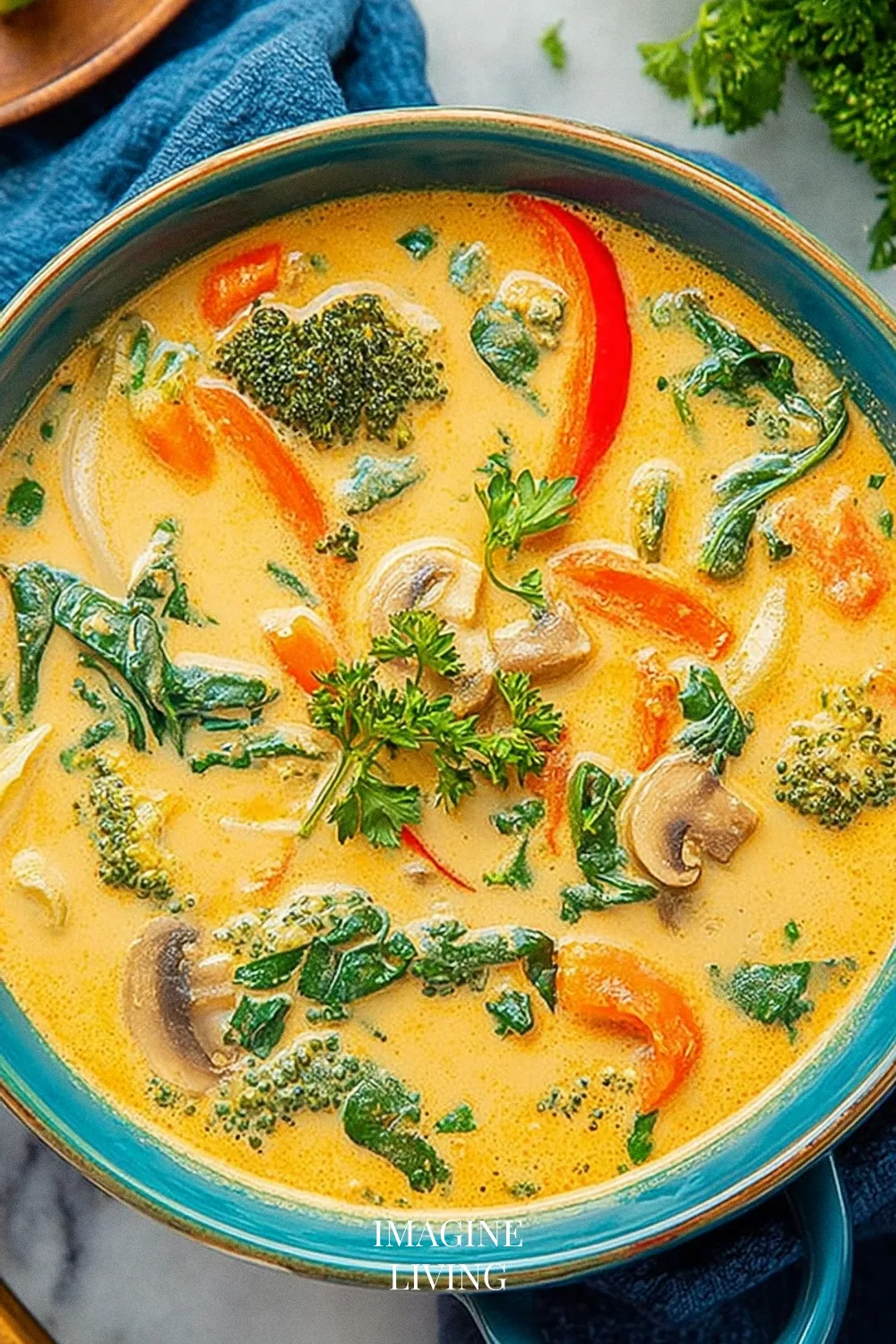
Common Mistakes to Avoid
It helps to know where things usually slip—nothing here is hard to correct.
Overcooking Vegetables
Overcooked veggies turn mushy; aim for tender-crisp. A quick check with a fork is usually enough.
Tip: Keep an eye on the timer as you sauté.
Not Blooming Spices
Neglecting to sauté spices can lead to flat flavors. A short bloom brings them forward again.
Adding Too Much Liquid
Too much broth can dilute the curry; start with less and adjust. You can always add more if needed.
Ignoring Seasoning
Taste before serving to ensure the right flavor balance. A small pinch of salt often rounds things out.
Tip: Salt enhances flavors—don’t skip this step!
Skipping Fresh Herbs
Fresh herbs bring life to the dish; don’t omit them. Even a few leaves make a difference.
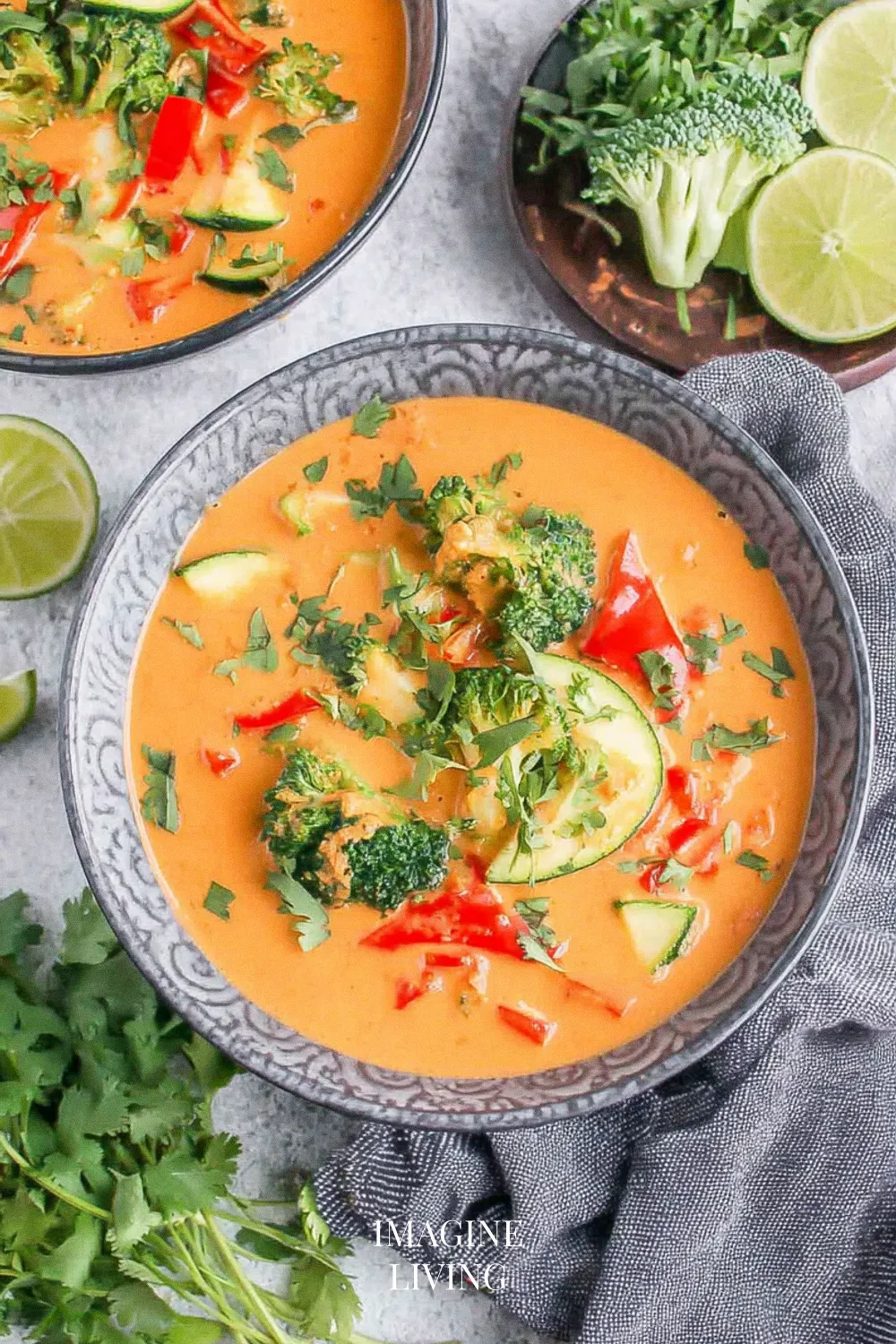
FAQs
Can I use frozen vegetables?
Absolutely! Just add them during the cooking stage without thawing.
How can I make this dish spicier?
Add chili flakes or cayenne pepper to taste during cooking.
Is this curry vegan?
Yes, this recipe is completely plant-based and vegan-friendly.
Can I make this ahead of time?
Yes, it stores well in the fridge for up to 4 days.
What should I serve with the curry?
Naan, rice, or cauliflower rice pairs beautifully.
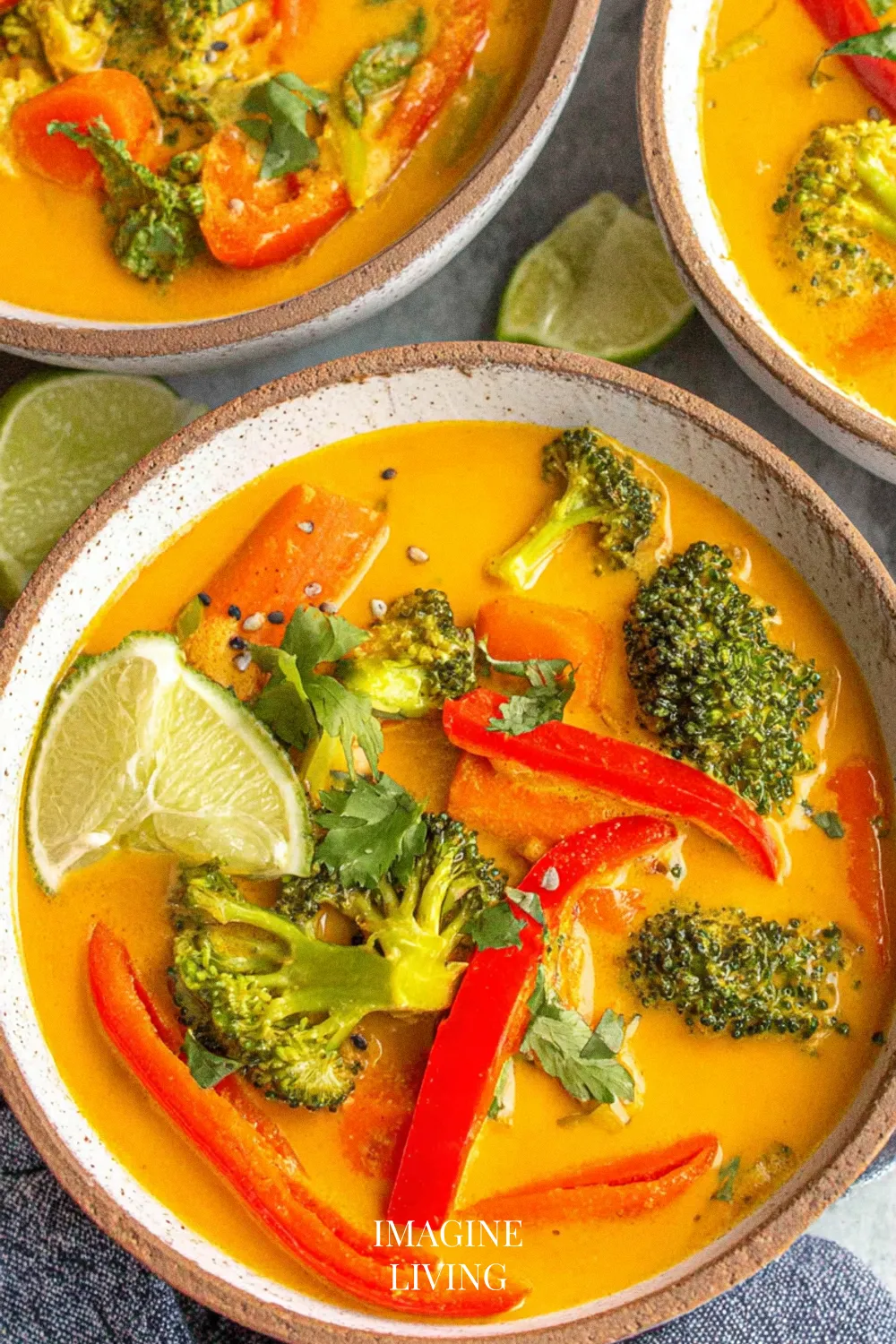
Cozy Up with a Vegetable Coconut Curry You’ll Love
When everything comes together in the pot, this curry settles into a calm, steady warmth that’s easy to enjoy. It’s flexible, satisfying, and simple enough to make on instinct once you’ve tried it a time or two. A bowl of it at the end feels like a small pause in the day—quiet and good.

Vegetable Coconut Curry
Equipment
- Large pot or Dutch oven
- Cutting board
- Sharp knife
- Wooden spoon
- Measuring cups and spoons
Ingredients
For the Curry Base
- 1 tablespoon coconut oil 15 ml
- 1 medium onion chopped
- 3 cloves garlic minced
- 1 tablespoon fresh ginger grated
- 1 tablespoon curry powder 15 g
- 1 teaspoon ground cumin 5 g
For the Vegetables
- 1 red bell pepper sliced
- 2 medium carrots thinly sliced
- 1 zucchini chopped
- 1 cup green beans 150 g, trimmed
- 1 cup cauliflower florets 150 g
For the Coconut Sauce
- 1 can coconut milk 14 oz, 400 ml
- 1 cup vegetable broth 240 ml
- Salt and pepper to taste
- Fresh cilantro for garnish
Instructions
Step 1: Sauté the Aromatics
- Heat the coconut oil in your large pot over medium heat. Once melted, toss in the chopped onion and cook until it becomes translucent, about 5 minutes.
- Tip: Stir frequently to avoid burning and enhance the flavors of the onion.
Step 2: Add Garlic and Spices
- Stir in the minced garlic and grated ginger, letting their fragrances fill your kitchen. Add curry powder and ground cumin, mixing well for about a minute to bloom the spices.
Step 3: Cook the Vegetables
- Add the sliced red bell pepper, carrots, zucchini, green beans, and cauliflower. Stir to combine, allowing them to soften slightly for about 5-7 minutes.
- Tip: This step brings out the vegetables’ natural sweetness and colors.
Step 4: Pour in Coconut Milk and Broth
- Pour the coconut milk and vegetable broth into the pot, stirring to incorporate all flavors. Bring the mixture to a gentle simmer, then reduce the heat and let it cook for 15-20 minutes, or until the vegetables are tender.
Step 5: Season and Serve
- Taste the curry and adjust the salt and pepper as needed. Remove from heat and garnish with fresh cilantro before serving.
Notes