Melt‑In‑Your‑Mouth Red Wine Braised Short Ribs – A Hearty, Luxurious Comfort
I first discovered the magic of a short rib dinner when a rainy afternoon turned into a culinary experiment: I ladled a glass of deep, ruby red wine and watched the caramelized onions melt into a fragrant halo. The meat, seared to a buttery brown, dropped into a slow, aromatic stew of garlic, thyme, and a splash of stock, and every bite felt velvety and surprisingly sophisticated—like a hug, but from the stove. If a single bite could sing, it would say, “Take it slow, darling.” (Because slow is the new fast.)
Why You’ll Love These Melt‑In‑Your‑Mouth Red Wine Braised Short Ribs
This dish turns a humble cut of beef into a showstopper. The long, slow braise breaks down connective tissue, leaving the short ribs silky and practically disintegrating. Rich red wine infuses the meat with a subtle acidity that balances the fat, while the aromatics build layers of flavor that stay fresh even after a day in the fridge. It’s a go‑to comfort food that feels like a culinary celebration—without the fuss of a fancy banquet.
“With love and food, you’re never really alone.”
M.
Ingredients: Melt-in-Your-Mouth Red Wine Braised Short Ribs
Servings: 6
For the Ribs:
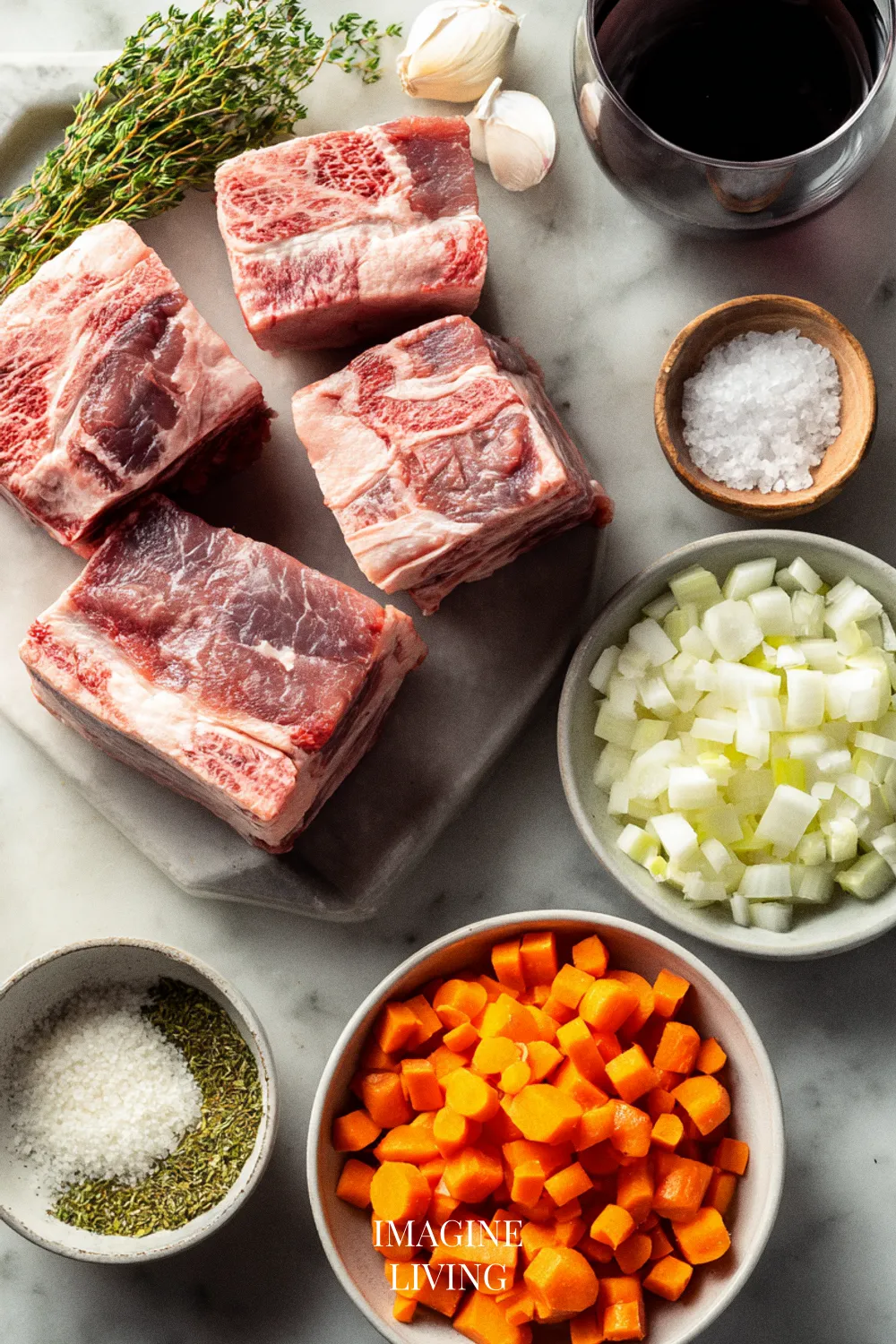
- 3 pounds short ribs, trimmed (about 12 pieces) (1.36 kg)
- 2 tbsp olive oil (30 ml)
- 1 tsp kosher salt (5 g)
- ½ tsp freshly ground black pepper (2 g)
For the Sauce:
- 1 large onion, diced (200 g)
- 3 cloves garlic, minced (15 g)
- 2 carrots, sliced (100 g)
- 2 stalks celery, chopped (50 g)
- 2 tbsp tomato paste (30 g)
- 1 cup dry red wine (250 ml)
- 2 cups beef stock (480 ml)
- 2 sprigs fresh thyme
- 1 bay leaf
Optional for a pantry quick fix:
- 1 can diced tomatoes (400 g) instead of fresh carrots and celery
For the Garnish:
- Fresh parsley, chopped (5 g)
Options: use low‑sodium beef stock for a lighter salt profile; add a splash of balsamic vinegar to brighten the sauce.
The Tools of the Trade: Equipment You’ll Need
- Heavy‑bottomed Dutch oven or oven‑safe pot
- Cutting board and chef’s knife
- Whisk
- Measuring cups and spoons
- Aluminum foil
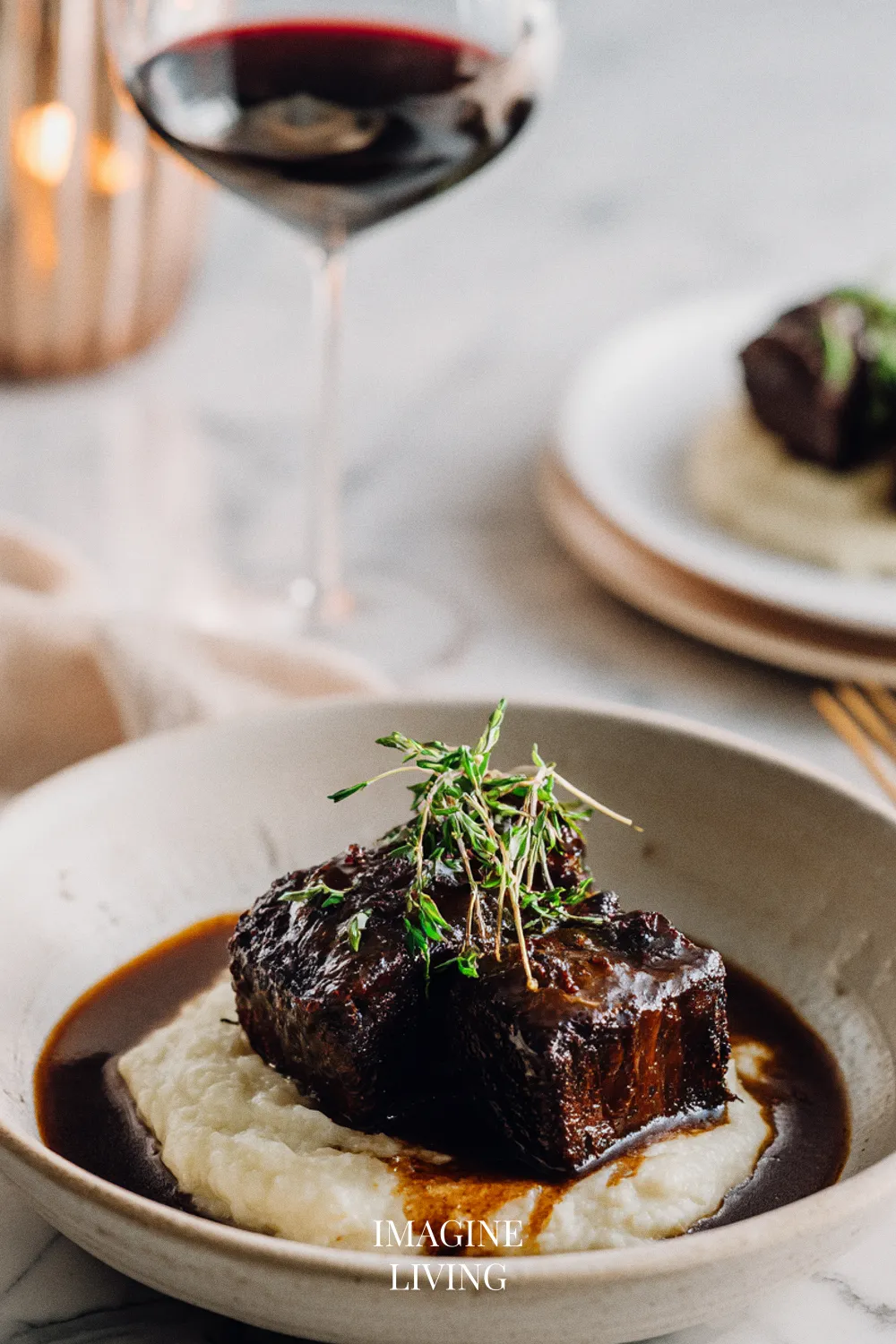
Step‑By‑Step Guide: From Seared to Succulent
I always start by letting the ribs breathe; a quick chill in the fridge is all I need to let the spices work their magic.
Step 1: Seasoning the Meat
Pat the ribs dry with paper towels, then sprinkle the kosher salt and pepper evenly. Let them sit for 10 minutes—this short pause lets the flavors settle and the surface get ready to caramelize.
Step 2: Searing
Heat olive oil over medium‑high heat. Brown the ribs on all sides until a golden crust forms, about 4–5 minutes per side. Remove and place on a plate.
Tip: Searing creates a savory crust; don’t rush this step—low heat can turn it to a soggy texture. (Because the crust is the first kiss of flavor.)
Step 3: Building the Base
In the same pot, toss in the diced onion, minced garlic, sliced carrots, and chopped celery. Cook until softened, about 8 minutes. Stir in the tomato paste and let it simmer for 2 minutes, allowing the paste to caramelize a touch.
Step 4: Deglazing
Pour in the red wine, scraping the bottom to dissolve browned bits. Let it reduce by half, about 5 minutes.
Tip: The browned bits carry deep flavor; deglazing captures them. (The wine also steals the fond like a quiet magician.)
Step 5: Braising
Return the ribs to the pot. Add beef stock, thyme, bay leaf, and the optional canned tomatoes if you like. Bring the mixture to a gentle simmer. Cover, then transfer the pot to a preheated oven at 325 °F (163 °C). Cook for 3 hours, or until the meat is fork‑tender and pulls away from the bone. Option note: If using low‑sodium stock, taste and add a pinch of salt after the sauce has reduced.
Step 6: Finishing the Sauce
Remove the ribs and set aside. Discard the bay leaf and thyme sprigs. Place the pot on the stove over medium heat, reducing the sauce until slightly thickened, about 10 minutes. Taste and adjust seasoning with salt and pepper.
Tip: The sauce thickens like a promise—just keep an eye on it. (This is where the sauce says, “I’ve had a good day.”) Option note: If adding balsamic vinegar, stir it in during the last minute of reduction.
Step 7: Plating
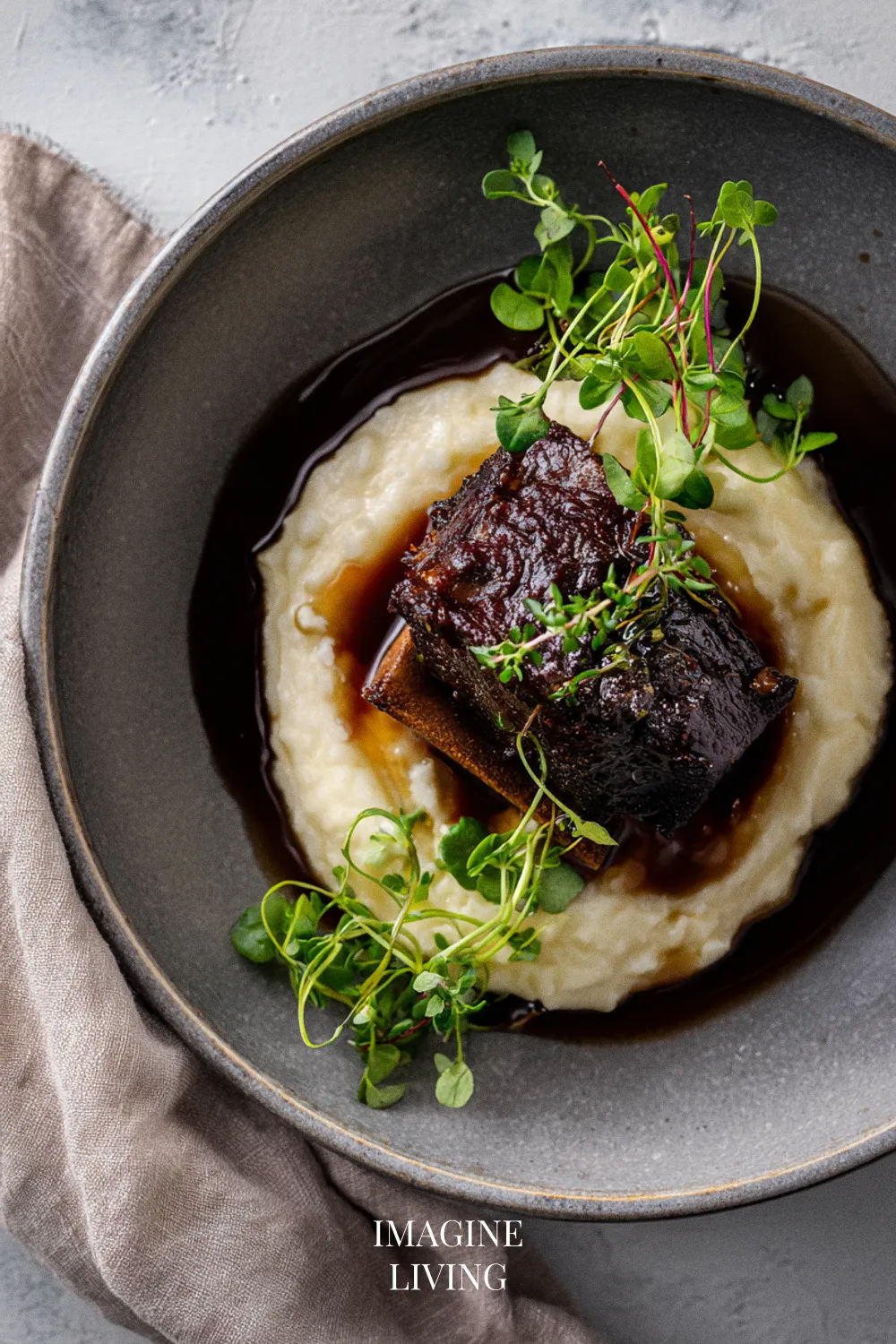
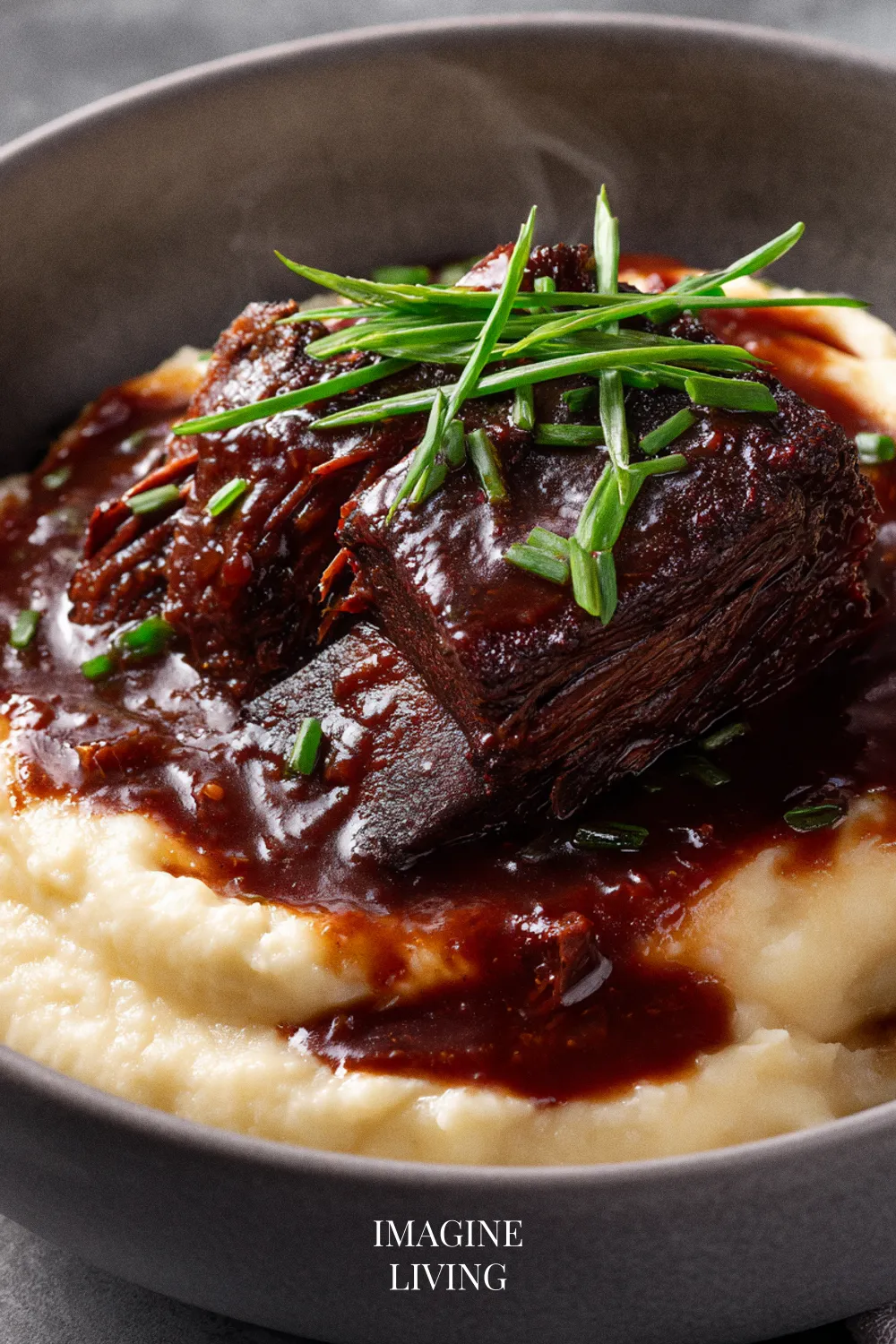
Arrange the ribs on a serving platter, spoon the sauce over, and sprinkle with fresh parsley. Let the steam rise and the aroma wrap the room.
This video is here as an extra source of inspiration! While it may not match this exact recipe, it offers helpful techniques, ideas, or visual guidance to enhance your cooking experience.
“The secret to great cooking is never being afraid to ask yourself, what would a great chef do?”
Gordon Ramsay
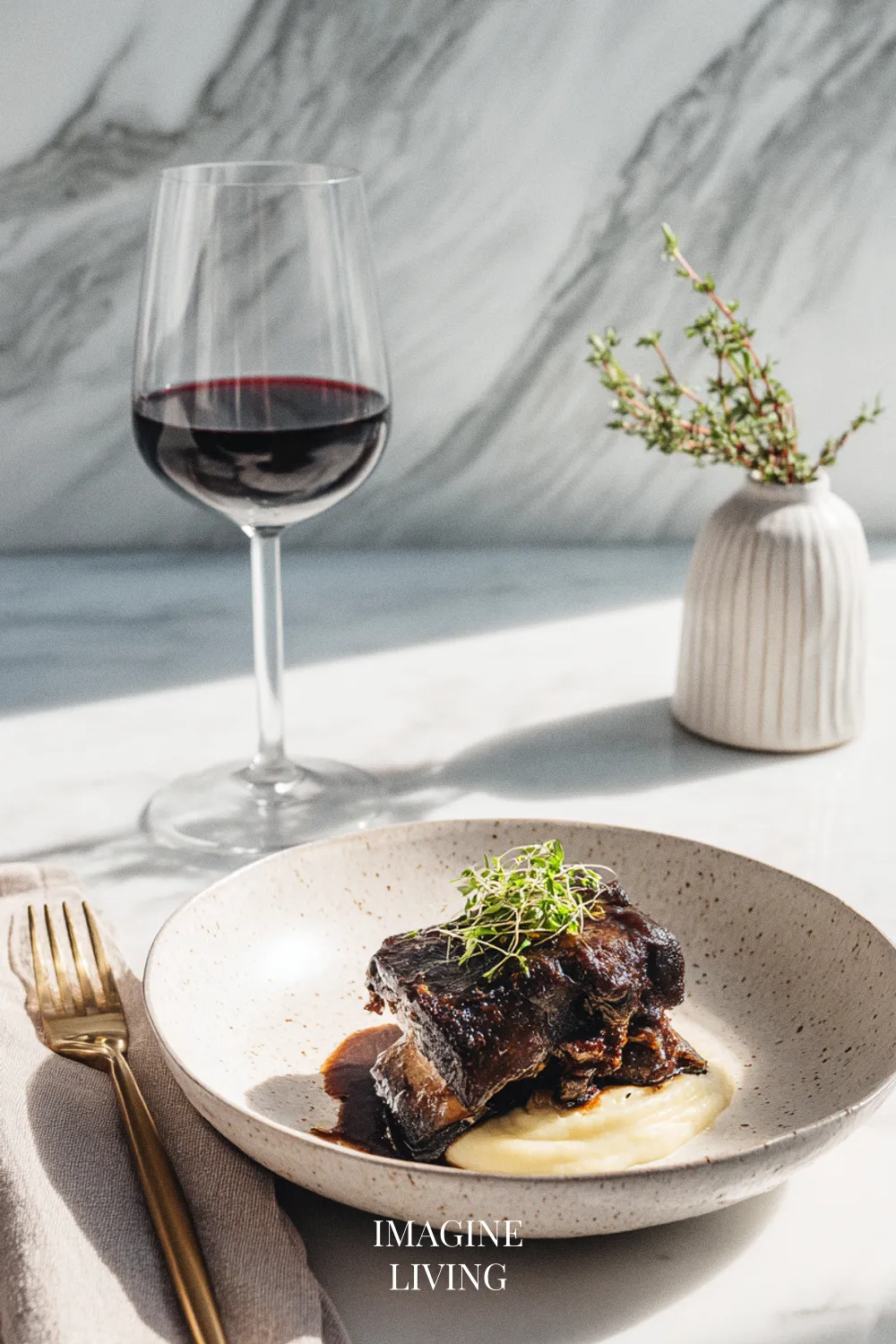
Pro Tips for the Perfect Braised Short Ribs
Ready to elevate your braised short ribs? Here are some friendly tricks that have become my kitchen rituals.
- Use a high‑quality Cabernet Sauvignon; its robust tannins balance the richness of the meat.
- A brisk 10‑minute sear on each side locks in juices before slow cooking.
- – Aside: I always stir the wine into the pot right before it boils; the aroma hits your nose like a sweet perfume.
- Add a splash of balsamic vinegar at the end for a subtle tang that brightens the sauce.
- Let the ribs rest 10 minutes after braising; the juices redistribute.
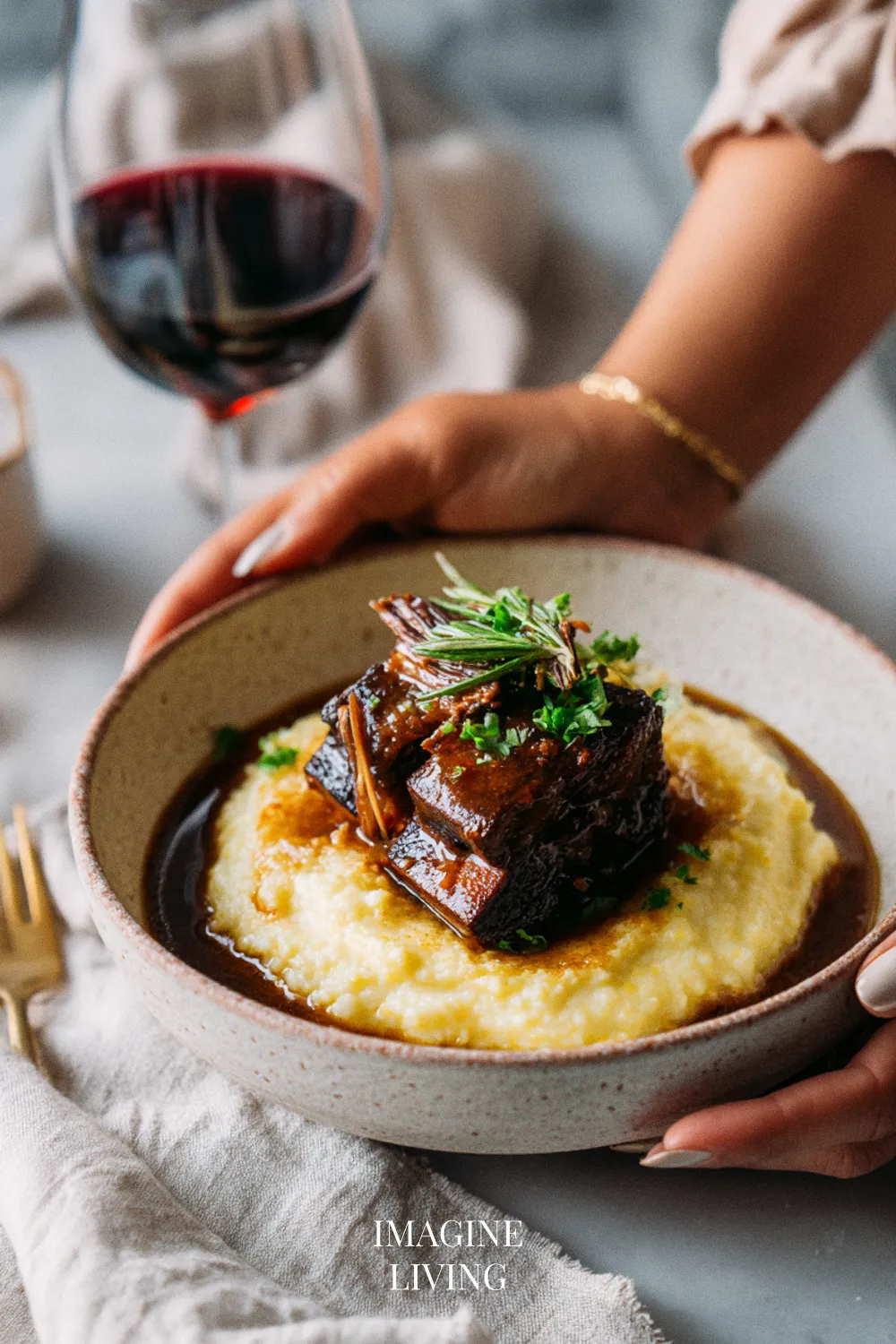
- Serve with creamy polenta or buttery mashed potatoes to soak up the savory sauce.
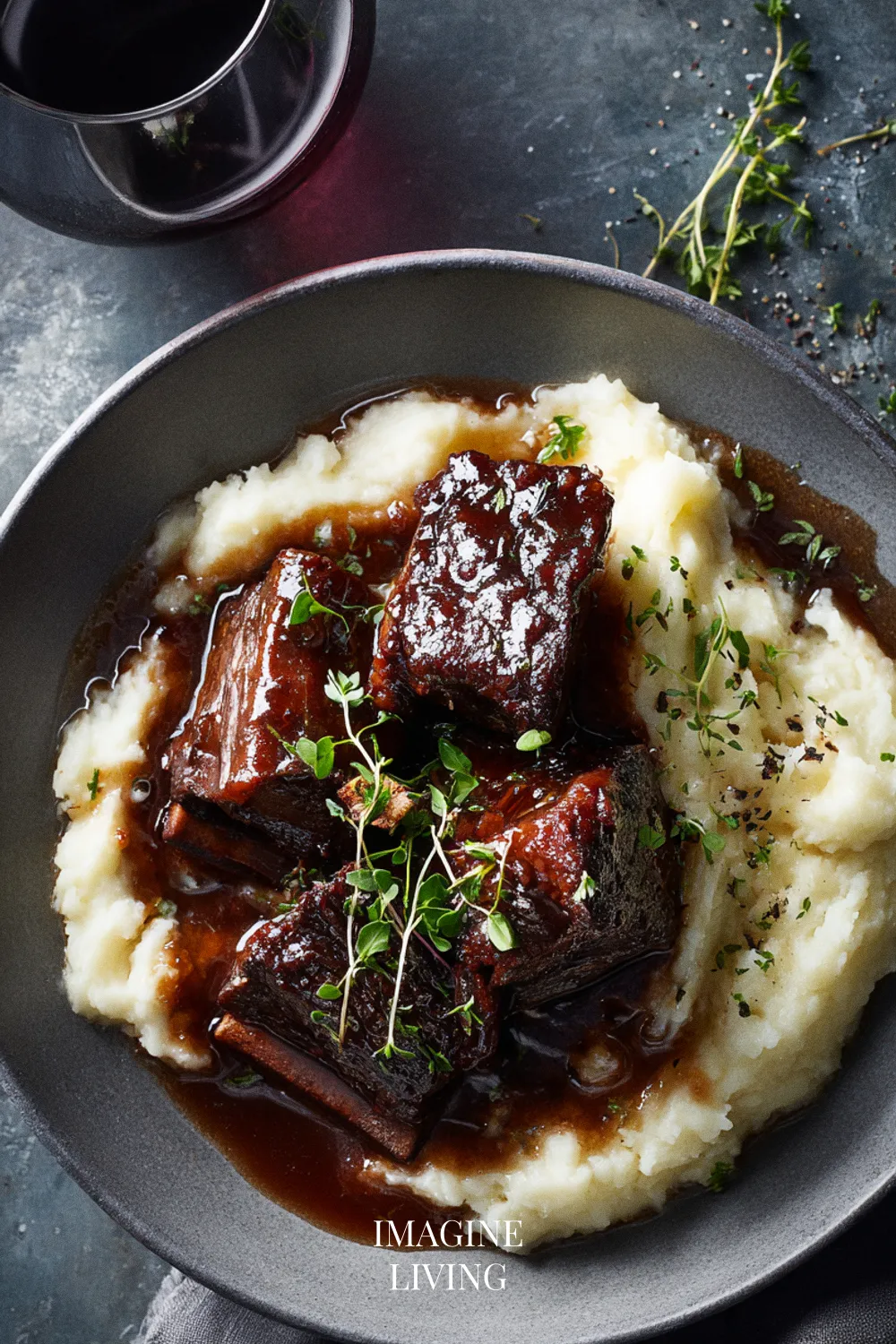
Dietary Variations & Substitutions
Vegetarian Version
- Swap short ribs with 12 large portobello mushroom stems (about 2 lb).
- Use the same 2 tbsp olive oil for searing; the mushrooms will release moisture, so you may need an extra minute on each side to develop a brown crust.
- Add an extra ½ cup vegetable stock to compensate for the lower meat density.
- Simmer and braise as directed; mushrooms will be tender after about 2 ½ hours at 325 °F.
Tip: Finish with a splash of balsamic vinegar to mimic the richness of beef.
Vegan Version
- Replace short ribs with the vegetarian mushroom substitution above.
- Use a vegan butter or extra olive oil in place of any dairy butter that might appear in optional variations.
- Substitute beef stock with a hearty vegetable stock (ensure it’s free of animal gelatin).
- The braising time remains the same; vegan sauce will thicken naturally with the tomatoes.
Tip: Stir in a teaspoon of nutritional yeast during the final reduction for umami depth.
Gluten‑Free Version
- All ingredients in the recipe are naturally gluten‑free; no changes required.
- If using canned tomatoes, check that the label is gluten‑free (some brands add thickeners).
- Store in a clean, gluten‑free kitchen to avoid cross‑contamination.
Tip: A pinch of xanthan gum (½ tsp) can be whisked into the sauce if it needs a slight thickening.
Nut‑Free Version
- This recipe contains no nuts or nut‑based ingredients; no substitutions needed.
- Verify that the beef stock and canned tomatoes are nut‑free (some brands use nut‑based additives).
- Keep the cooking area free of nut residues if you’ve cooked other dishes nearby.
Tip: When serving with a side of roasted almonds or cashews, omit to keep the meal nut‑free.
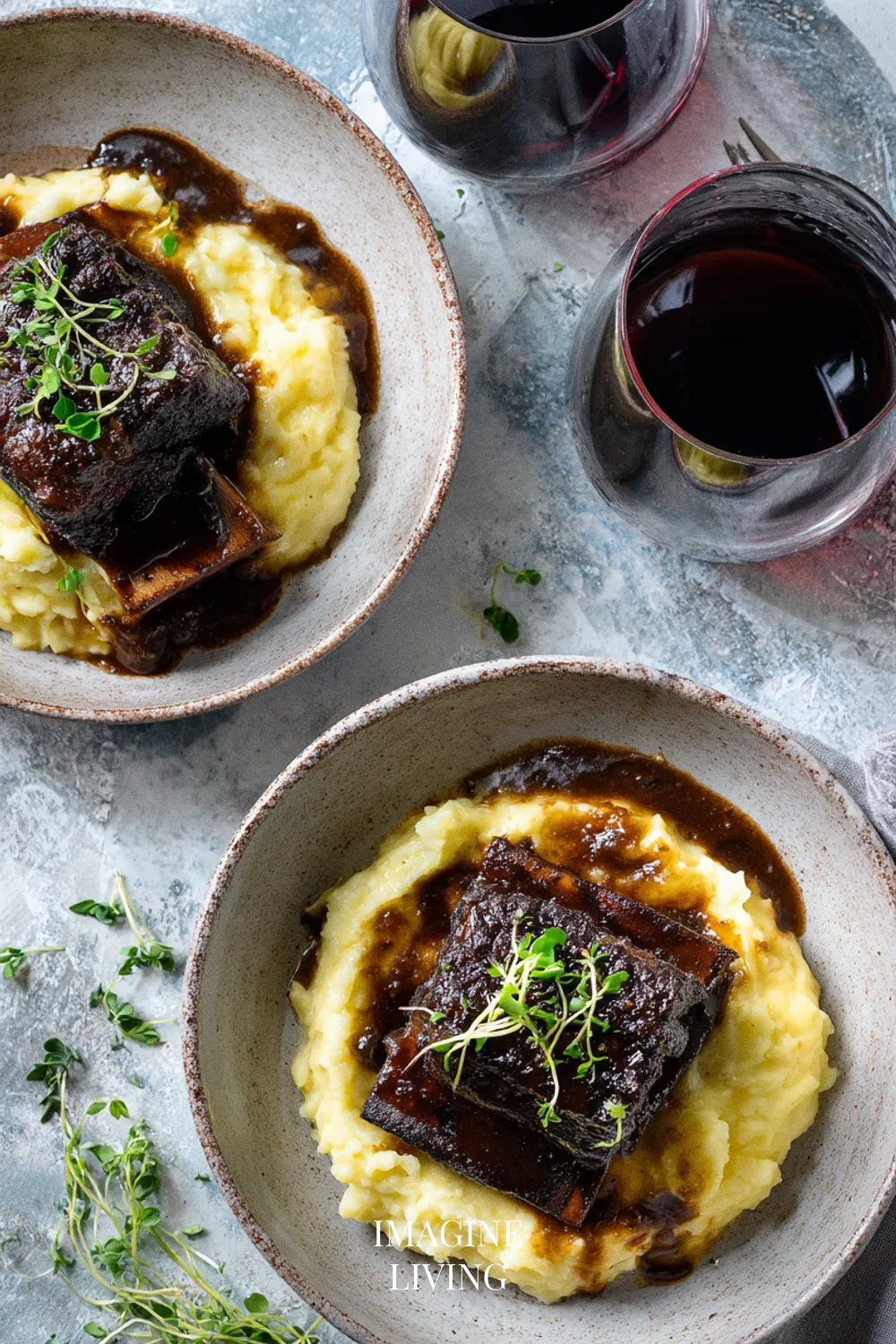
Creative Variations: Turn the Classic Into Your Own
Asian‑Inspired Glaze Replace half the beef stock with soy sauce and add a spoonful of hoisin. Finish with a sprinkle of crushed peanuts for crunch.
Tip: The soy sauce adds depth; keep it light to avoid overpowering the wine base.
Herb‑Rich Mediterranean Twist Incorporate rosemary and oregano into the sauce, and serve over saffron risotto.
Tip: Sauté the herbs with the aromatics to release their essential oils.
Smoky Chipotle Kick Add a tablespoon of chipotle powder during the searing stage for a smoky heat.
Tip: A pinch of chipotle balances the wine’s acidity with a subtle bite.
Citrus Brightness Squeeze fresh lemon juice into the sauce right before serving.
Tip: Lemon brightens the rich flavors and cuts through the fat.
Vegetarian Parlor Swap short ribs with seared mushroom stems and use vegetable stock.
Tip: Choose large, meaty mushrooms like portobello for structure.
Cheesy Crumble Top the finished dish with grated Gruyère and broil until bubbly.
Tip: Gruyère melts into a savory glaze that ties the flavors together
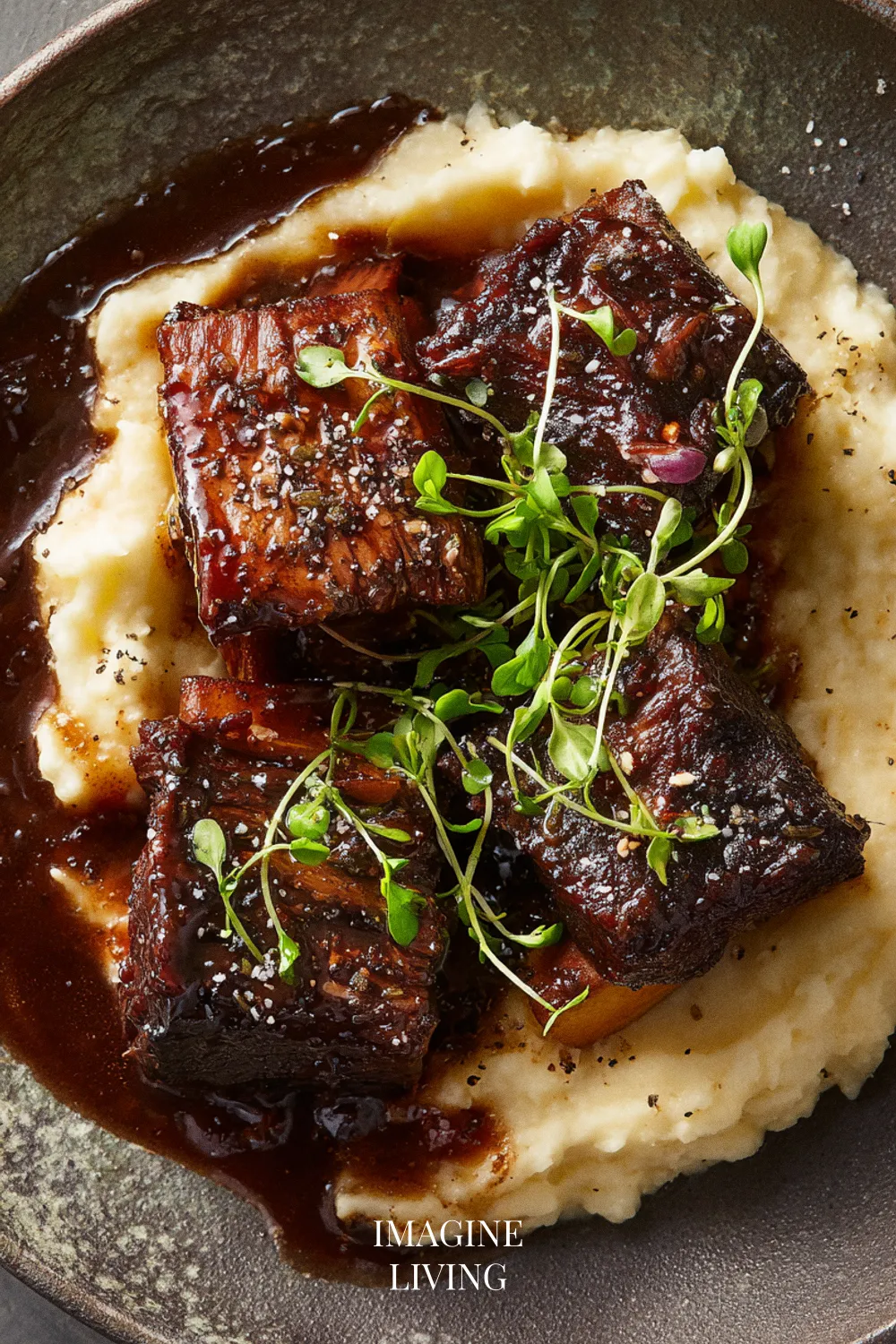
Serving Suggestions: Pairings That Shine
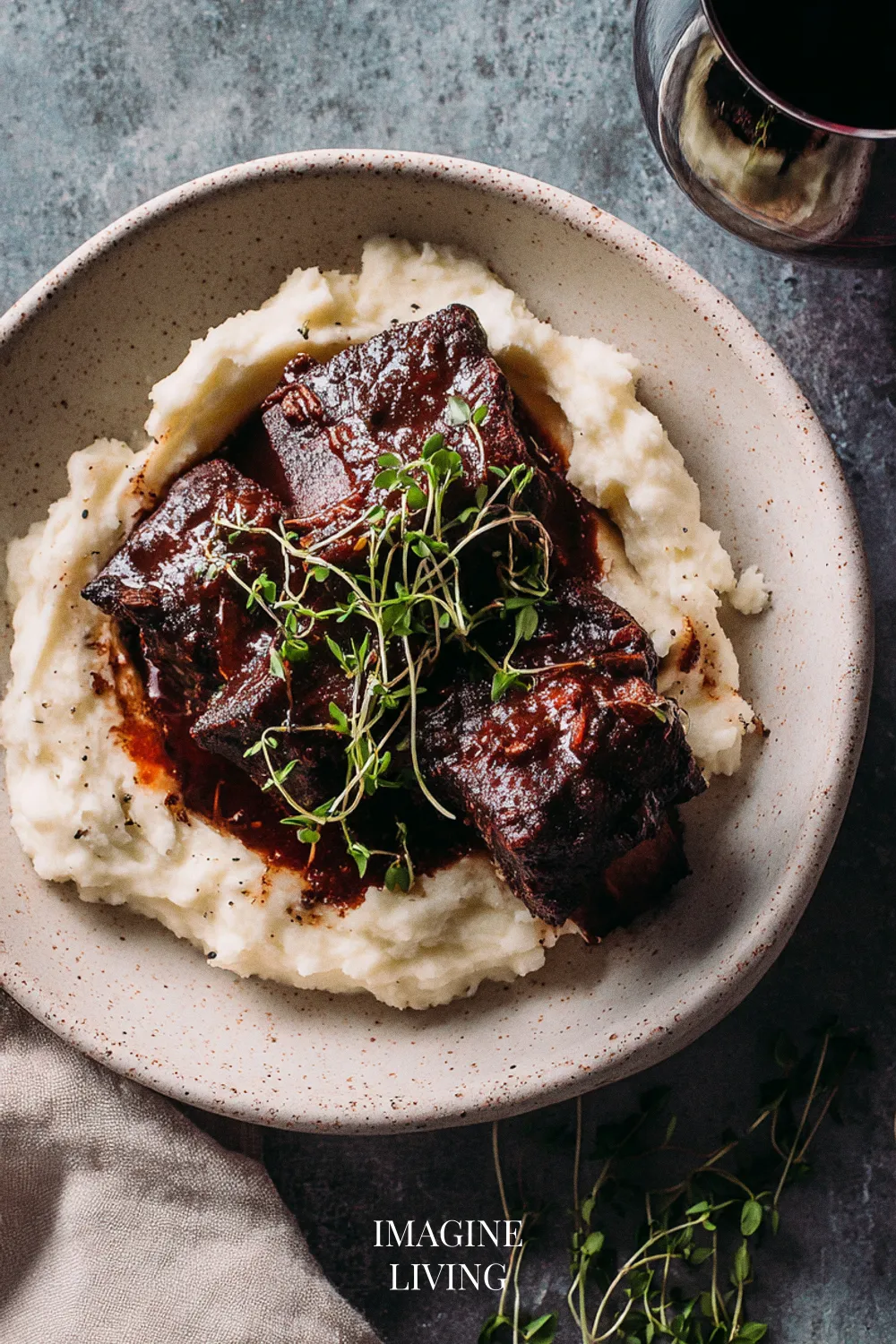
- A glass of the same deep red wine used in the sauce pairs wonderfully.
- Creamy polenta or buttery mashed potatoes make perfect side dishes.
- A simple green salad with a citrus vinaigrette offers a crisp contrast.
- For a festive touch, serve with crusty bread to mop up the sauce.
Storage and Reheating: Keep the Magic Alive
- Cool the dish completely and store the ribs and sauce separately in airtight containers.
- Reheat the sauce gently on the stove, adding a splash of water if it’s too thick.
- Reheat the ribs in the oven at 325 °F (163 °C) for 15–20 minutes before serving.
- Let the dish rest again for a few minutes; the flavors will mingle beautifully.
Common Mistakes to Avoid – Keep the Flavor Flowing
Even seasoned cooks have stumbled here. Let me share a few friendly nudges to keep the flavor flowing.
Not Searing the Meat
Skipping the browning step means lost flavor and texture.
Tip: Take time to develop a crust.
I always give it a few extra minutes because I know the crust is the flavor foundation.
Braising Too Low
Cooking at too low a temperature can make the sauce too watery.
Tip: Aim for a gentle simmer before baking.
I’ve learned that a steady, low heat keeps the sauce from becoming a soup.
Deglazing Too Early
Removing the pot from the stove before the fond fully forms leads to flavor gaps.
Tip: Finish deglazing once the meat has browned well.
I remind myself that the fond is the secret to depth—keep it.
Over‑Seasoning the Sauce
Adding too much salt can overpower the wine.
Tip: Taste early and adjust gradually.
I always keep a pinch of salt on hand just in case.
Not Resting the Ribs
Skipping the rest period means uneven moisture distribution.
Tip: Let the ribs rest 10 minutes after braising.
I always let them sit like a pause in a song—soft and steady.
Using Low‑Quality Wine
Choosing a cheap wine can make the dish taste flat.
Tip: Opt for a wine you would enjoy drinking.
I always pick a wine I’d bring to a dinner party—quality matters.
FAQs: Quick Answers for Your Kitchen Questions
Can I use a different type of red wine?
A full‑bodied dry red such as Merlot or Shiraz works well.
Tip: The wine’s body should match the sauce’s richness.
What if I’m short on time?
A quick sauté of the aromatics followed by a 1‑hour braise will still deliver tenderness.
Tip: Even a shorter braise can be flavorful with the right seasoning.
Do I need to debone the ribs first?
Deboning before cooking reduces cooking time and keeps the dish neat.
Tip: A small deboning tool can make the job smoother.
Is it okay to freeze leftovers?
Yes—freeze the ribs and sauce separately for up to 3 months.
Tip: Reheat slowly to avoid texture changes.
What’s a good side for this dish?
Creamy polenta, mashed potatoes, or a hearty salad.
Tip: The sauce’s richness pairs best with comforting carbs.
Sweet Closure: A Final Bite of Bliss
I’ve spent countless evenings coaxing flavor from slow‑cooked meat, and this short rib recipe remains my go‑to comfort dish. Each bite delivers that silky, mouth‑watering texture that makes the whole kitchen feel at peace. If you’re craving a dish that feels luxurious yet homely, let these ribs simmer, and trust that the journey is just as delightful as the destination.
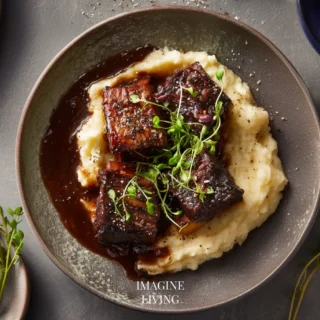
Melt-in-Your-Mouth Red Wine Braised Short Ribs
Equipment
- Heavy‑bottomed Dutch oven or oven‑safe pot
- Cutting board and chef’s knife
- Whisk
- Measuring cups and spoons
- Aluminum foil
Ingredients
For the Ribs
- 3 pounds short ribs, trimmed
- 2 tbsp olive oil
- 1 tsp kosher salt
- ½ tsp freshly ground black pepper
For the Sauce
- 1 large onion, diced
- 3 cloves garlic, minced
- 2 carrots sliced
- 2 stalks celery, chopped
- 2 tbsp tomato paste
- 1 cup dry red wine
- 2 cups beef stock
- 2 sprigs fresh thyme
Optional for a pantry quick fix
- 1 can diced tomatoes
For the Garnish
- Fresh parsley, chopped
Instructions
Seasoning the Meat
- Pat the ribs dry with paper towels. Sprinkle salt and pepper evenly, then set aside for 10 minutes.
Searing
- Heat olive oil over medium‑high heat. Brown the ribs on all sides until a golden crust forms, about 4–5 minutes per side. Remove and place on a plate.
- Tip: Searing creates a savory crust; don’t rush this step—low heat can turn it to a soggy texture.
Building the Base
- In the same pot, add diced onion, garlic, carrots, and celery. Cook until softened, about 8 minutes. Stir in tomato paste and simmer for 2 minutes.
Deglazing
- Pour in the red wine, scraping the bottom to dissolve browned bits. Let it reduce by half, about 5 minutes.
- Tip: The browned bits carry deep flavor; deglazing captures them.
Braising
- Return the ribs to the pot. Add beef stock, thyme, bay leaf, and the optional canned tomatoes if using. Bring to a gentle simmer.
- Cover, then transfer the pot to a preheated oven at 325 °F (163 °C). Cook for 3 hours, or until the meat is fork‑tender and pulls away from the bone.
Finishing the Sauce
- Remove the ribs and set aside. Discard the bay leaf and thyme sprigs. Place the pot on the stove over medium heat, reducing the sauce until slightly thickened, about 10 minutes. Taste and adjust seasoning with salt and pepper.
Plating
- Arrange ribs on a serving platter, spoon the sauce over, and sprinkle with fresh parsley.
Notes