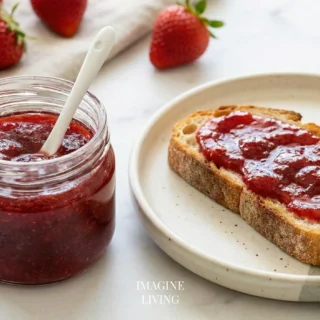
Homemade Strawberry Rhubarb Marmalade
The first thing you’ll notice is the sweet‑tart scent rising as the fruit starts to warm — it’s a lively kind of aroma. I always pause here for a second; it’s a nice reminder that this whole process is far simpler than it looks. And if a little marmalade splashes on the counter, well, that’s just part of the charm.
Why You’ll Love This Recipe
This strawberry rhubarb marmalade brings bright, easy flavors with a texture that feels pleasantly rustic.
- Made with fresh seasonal produce, it’s a fantastic way to utilize strawberries and rhubarb.
- Perfect for gifting in pretty jars, inviting joy into the homes of family and friends.
- A versatile companion that elevates both sweet and savory dishes—think cheese boards, pastries, or as a glaze for meats.
- Simple ingredients and straightforward steps make it approachable for anyone, even beginners.
“A fresh, fruit-forward marmalade that tastes like spring turning into summer.” Imagine Living
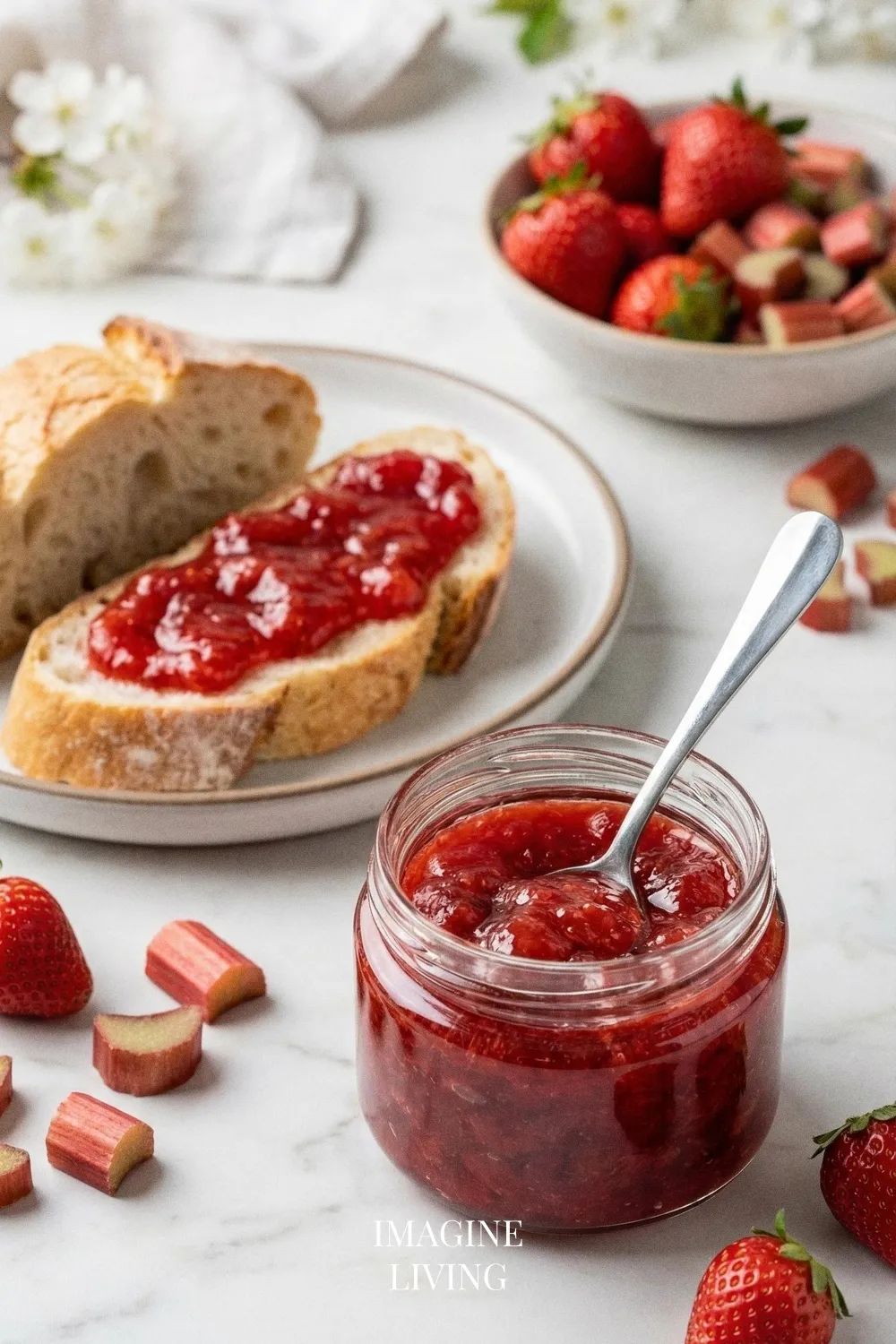
Ingredients: Homemade Strawberry Rhubarb Marmalade (Serves 2 Jars)
For the Marmalade
- 2 cups fresh strawberries (about 300g), hulled and diced
- 2 cups fresh rhubarb (about 300g), chopped into small pieces
- 1 cup sugar (200g)
- 1/4 cup fresh lemon juice (60ml)
- Zest of 1 lemon
Options: You can use honey as a natural sweetener or substitute with a low-sugar pectin for a lower sugar content.
Equipment Needed
- Medium saucepan
- Wooden spoon or heat‑resistant spatula
- Jar funnel (optional)
- Two sterilized glass jars with lids
Step-By-Step Guide: Homemade Strawberry Rhubarb Marmalade
This part is all about keeping an eye on the texture — easier than it sounds once things start bubbling.
Prepare the Fruit
Start by washing the strawberries and rhubarb thoroughly. Hull the strawberries and chop them into small pieces. Slice the rhubarb into small chunks, ensuring they’re roughly equal in size for even cooking.
Tip: The smaller your fruit pieces, the faster the marmalade will cook down.
Every time I chop rhubarb, there’s that moment when the color shifts slightly in the light — a small sign you’re on track.
Combine Ingredients
In a medium saucepan, combine the diced strawberries, chopped rhubarb, sugar, lemon juice, and lemon zest. Stir gently to combine.
Tip: Allow the mixture to sit for about 10 minutes; this helps draw out the juices from the strawberries and rhubarb.
You’ll see the fruit start to glisten a bit as the sugar pulls out the juices.
Cook the Mixture
Place the saucepan over medium heat, stirring the mixture occasionally. You’ll begin to see the sugar dissolve and the fruit soften. As it bubbles, keep an eye on the mixture; it will begin to thicken after about 15–20 minutes.
Tip: Use a spoon to check the consistency; it should coat the back of the spoon when it’s ready.
There’s always a moment when the bubbles turn from frothy to more syrupy — a quiet cue you’re nearly there.
Test for Set
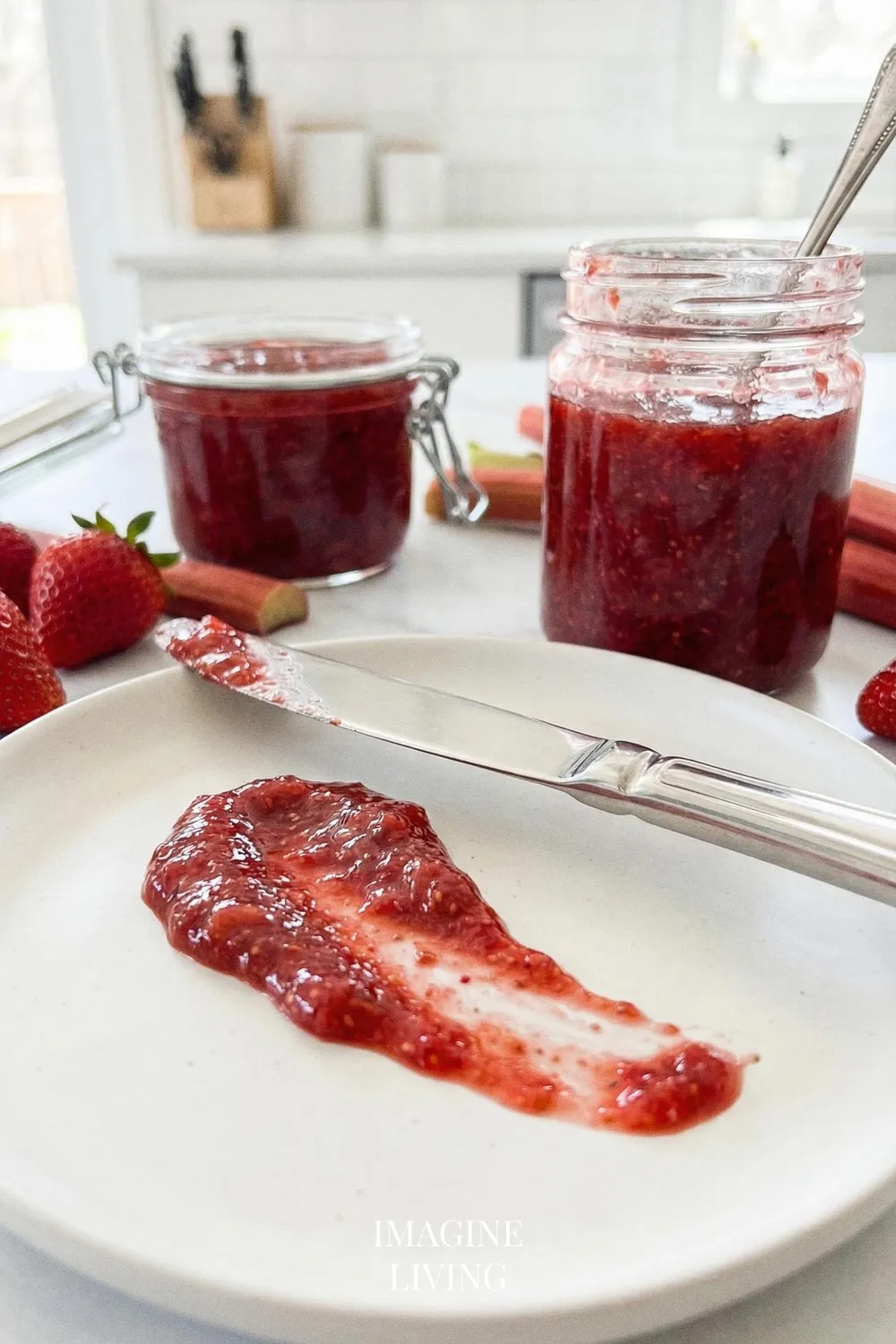
Once the marmalade has thickened, test for doneness by placing a spoonful on a cold plate. Wait a moment, then run your finger through it. If it holds its shape, it’s ready for jars!
Tip: If you prefer a chunkier texture, simply mash the fruits a bit less during cooking.
Sometimes the first test looks a little loose; the second usually tells the truth.
Jar It Up
Using a jar funnel, pour the hot marmalade into your sterilized jars, leaving about 1/4 inch of headspace. Wipe the rims clean and seal with the lids.
Tip: Invert the jars for 5 minutes to create a vacuum seal.
There’s a small satisfaction in hearing the subtle pop as they cool.
Pro Tips for Homemade Strawberry Rhubarb Marmalade
Here are a few gentle nudges that make the process smoother.
- Opt for fresh, ripe strawberries and rhubarb for the best flavor.
- Adjust the sugar to your taste; if you prefer a tart marmalade, you can reduce it slightly.
- Store in a cool, dark place; once opened, keep it in the fridge.
- Ladle out some marmalade into smaller jars for easy gifting.
- Make sure to sterilize your jars to prolong shelf life.
A tiny note: the jars always seem to fill faster than expected.
Dietary Variations & Substitutions
Vegan Version
- The recipe is already vegan-friendly as it does not include any animal products. For extra sweetness, consider using agave syrup as a substitute for sugar in a 1:1 ratio.
- Ensure any added pectins are plant-based if used for thickening.
Tip: Allow the mixture to sit for longer to enhance fruit sweetness naturally.
Low-Sugar Version
- Reduce the sugar by 50% and replace it with a low-sugar pectin according to package instructions for optimal setting.
- You may need to cook it a bit longer to reach desired consistency, keeping an eye on texture.
Tip: Add a splash more lemon juice for bright flavor with less sugar.
Gluten-Free Version
- The recipe is naturally gluten-free as it does not contain grains or gluten-based products.
- Ensure that any additional sweeteners or pectins used are certified gluten-free.
Tip: Check labels carefully to avoid cross-contamination if gluten is a concern.
Nut-Free Version
- This recipe is already nut-free. If adding any additional ingredients like flavored extracts, confirm they are nut-free.
- Always check for cross-contamination if purchasing processed ingredients or flavorings.
Tip: Look for nut-free alternative sweeteners if adapting for allergies.
Creative Variations: Delightful Marmalade Twists
Ginger Touch
Add 1 tablespoon of grated fresh ginger for a spiced kick.
Tip: Adjust ginger according to your preference; it adds warmth without overpowering the fruit.
Vanilla Bliss
Incorporate 1 whole vanilla bean or 1 teaspoon vanilla extract for a sweet fragrant note.
Tip: If using extract, add it after the mixture has finished cooking.
Citrus Burst
Combine with the zest and juice of an orange for an added layer of citrus flavor.
Tip: Ensure balanced acidity and sweetness with your orange.
Minty Fresh
Fold in a few chopped mint leaves once the marmalade has cooled slightly.
Tip: This adds a refreshing twist that’s perfect for summertime.
Spicy Jalapeño
Add finely diced jalapeño to the mixture for a sweet‑heat combination that’s bold and unique.
Tip: Adjust the amount based on your spice tolerance; even a little can transform the flavor!
Serving Suggestions
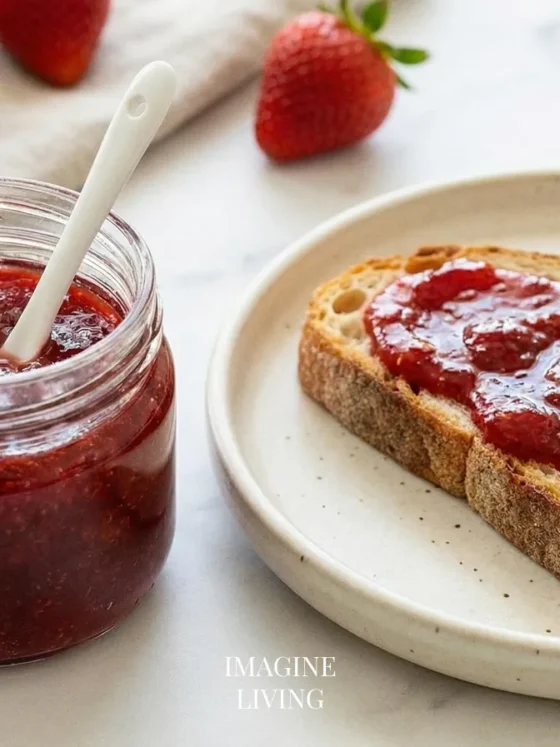
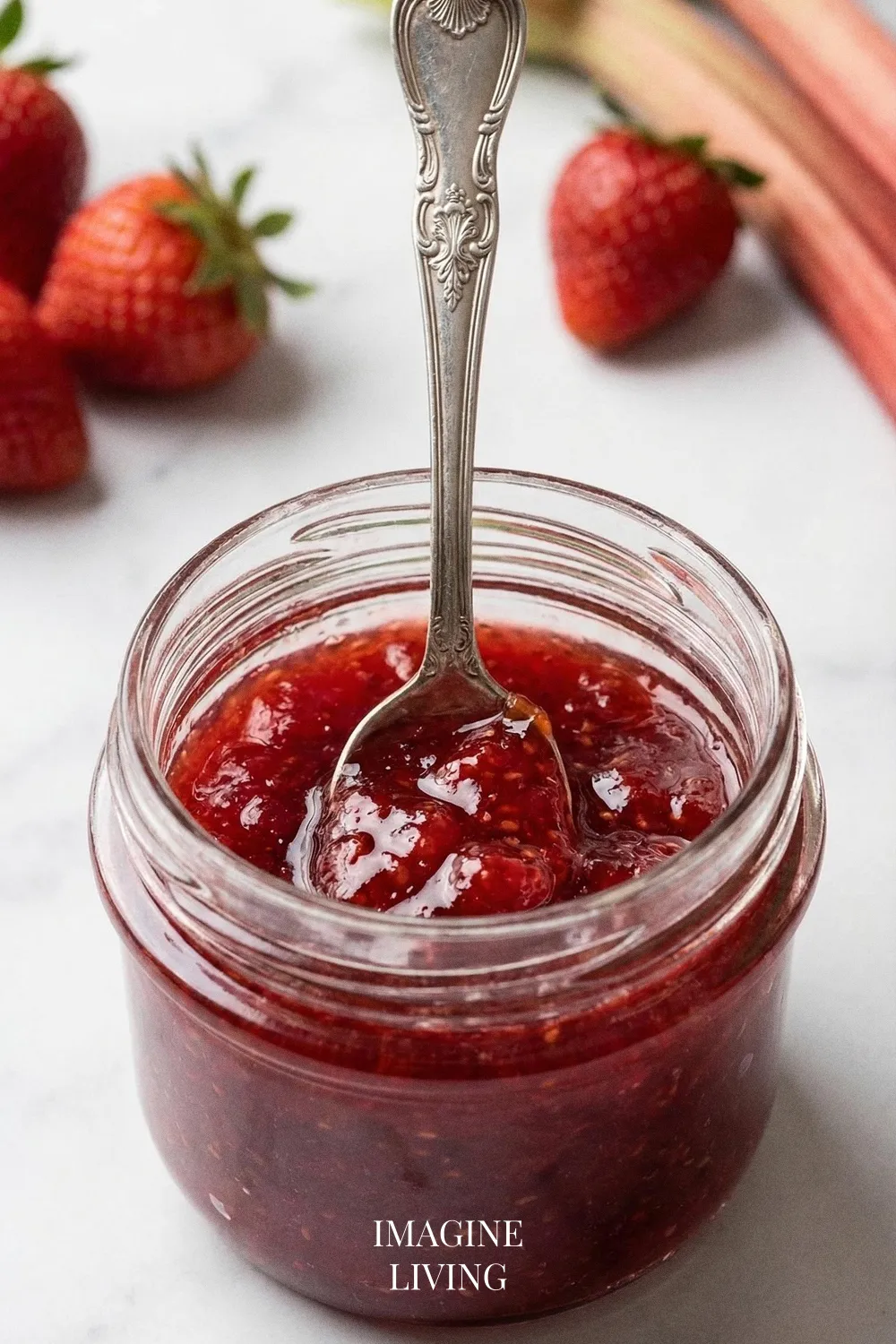
- Spread on toast or bagels for a delightful breakfast.
- Serve alongside cream cheese on a cheese board for a delicious contrast.
- Use as a glaze for meats, like chicken or pork, for an elevated dish.
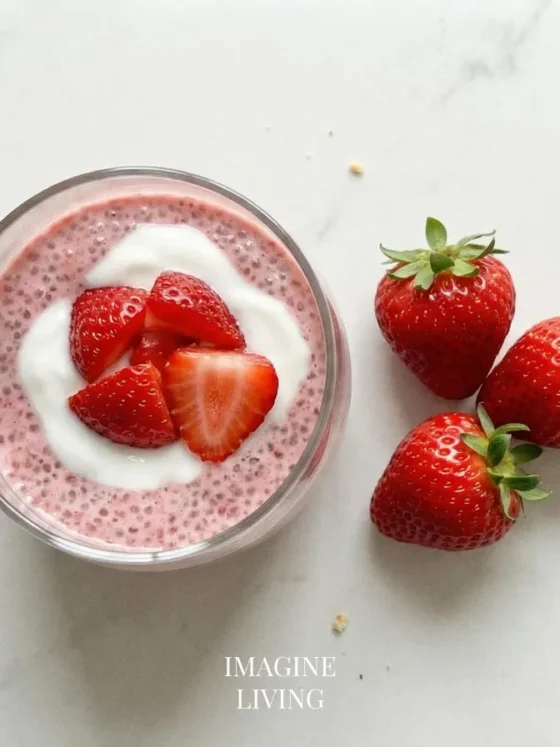
- Add to yogurt or oatmeal for a sweet fruit enhancement.
Storage and Reheating
Store the sealed jars in a cool, dark place for up to a year. Once opened, keep in the refrigerator where it will last for several weeks. For best texture, enjoy it at room temperature; no need for reheating.
Common Mistakes to Avoid
A few things can throw off the texture, but each has a simple fix.
Overcooking
Avoid cooking for too long, which will make the marmalade overly thick.
Tip: Keep testing for the right consistency as it approaches doneness.
Skipping the Flavor Balance
Don’t forget the lemon juice, as it balances the sweetness of the strawberries and rhubarb. A quick squeeze can make all the difference.
Inadequate Sterilization
Be sure to properly sterilize jars before canning; otherwise, your marmalade may spoil. A clean jar saves you from guessing later.
Not Enough Sugar
Cutting sugar too drastically can affect the setting process; it’s essential for preserving.
Tip: Use pectin if you prefer to reduce sugar.
Ignoring Storage Conditions
Ensure your jars are stored away from sunlight and heat sources for optimal shelf life. A quiet corner of a pantry usually works well.
FAQs
How long can I store homemade marmalade?
Homemade marmalade can be stored for up to a year if sealed correctly and kept in a cool, dark place.
Can I use frozen strawberries or rhubarb?
Yes, you can use frozen fruit; just be aware that it may alter the texture slightly.
How do I know if my marmalade has set properly?
It should coat the back of a spoon and hold its shape when cooled on a plate.
Can I adjust the sweetness?
Absolutely! Feel free to reduce the sugar to your liking while keeping in mind that it aids in preservation.
What can I do with leftover fruit pulp after making marmalade?
This pulp can be used in smoothies, cakes, or even pancakes for an extra fruity flavor.
Experience the Bliss of Homemade Marmalade
Once your jars are sealed and cooling, there’s a small, quiet satisfaction in knowing you’ve made something this bright with just a few ingredients and a bit of attention. It’s a simple pleasure — one that tends to disappear quickly once you open the first jar.
Homemade Strawberry Rhubarb Marmalade
Equipment
- Medium saucepan
- Wooden spoon or heat-resistant spatula
- Jar funnel optional
- Two sterilized glass jars with lids
Ingredients
For the Marmalade
- 2 cups fresh strawberries about 300g, hulled and diced
- 2 cups fresh rhubarb about 300g, chopped into small pieces
- 1 cup sugar 200g
- 1/4 cup fresh lemon juice 60ml
Instructions
Prepare the Fruit
- Start by washing the strawberries and rhubarb thoroughly. Hull the strawberries and chop them into small pieces. Slice the rhubarb into small chunks, ensuring they’re roughly equal in size for even cooking.
- Tip: The smaller your fruit pieces, the faster the marmalade will cook down.
Combine Ingredients
- In a medium saucepan, combine the diced strawberries, chopped rhubarb, sugar, lemon juice, and lemon zest. Stir gently to combine.
- Tip: Allow the mixture to sit for about 10 minutes; this helps draw out the juices from the strawberries and rhubarb.
Cook the Mixture
- Place the saucepan over medium heat, stirring the mixture occasionally. You’ll begin to see the sugar dissolve and the fruit soften. As it bubbles, keep an eye on the mixture; it will begin to thicken after about 15–20 minutes.
- Tip: Use a spoon to check the consistency; it should coat the back of the spoon when it’s ready.
Test for Set
- Once the marmalade has thickened, test for doneness by placing a spoonful on a cold plate. Wait a moment, then run your finger through it. If it holds its shape, it’s ready for jars!
- Tip: If you prefer a chunkier texture, simply mash the fruits a bit less during cooking.
Jar It Up
- Using a jar funnel, pour the hot marmalade into your sterilized jars, leaving about 1/4 inch of headspace. Wipe the rims clean and seal with the lids.
- Tip: Invert the jars for 5 minutes to create a vacuum seal.