Easy French Baguette Recipe
The sound of dough settling on the counter always makes me pause for a second — there’s a quiet promise in it. As the baguettes bake, the scent turns warm and a little toasty, the kind that makes you glance toward the oven even if you know the timer has minutes left. This recipe stays simple, and you’re more capable of nailing it than you might think. And if your first loaf comes out a bit rustic, well, that’s part of the charm.
Why You’ll Love This Recipe
This baguette is not only simple to make, but also incredibly rewarding. A few key reasons to fall in love with this recipe include:
- Simplicity: With just a handful of ingredients, you’ll find making your own baguette is straightforward and fun.
- Versatility: Perfect for sandwiches, classic bruschetta, or simply slathered with butter.
- Freshness: There’s nothing quite like the taste of bread enjoyed warm from the oven.
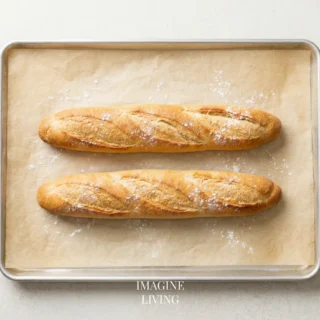
“French baguette—crisp crust, airy crumb, bakery perfection.” Imagine Living
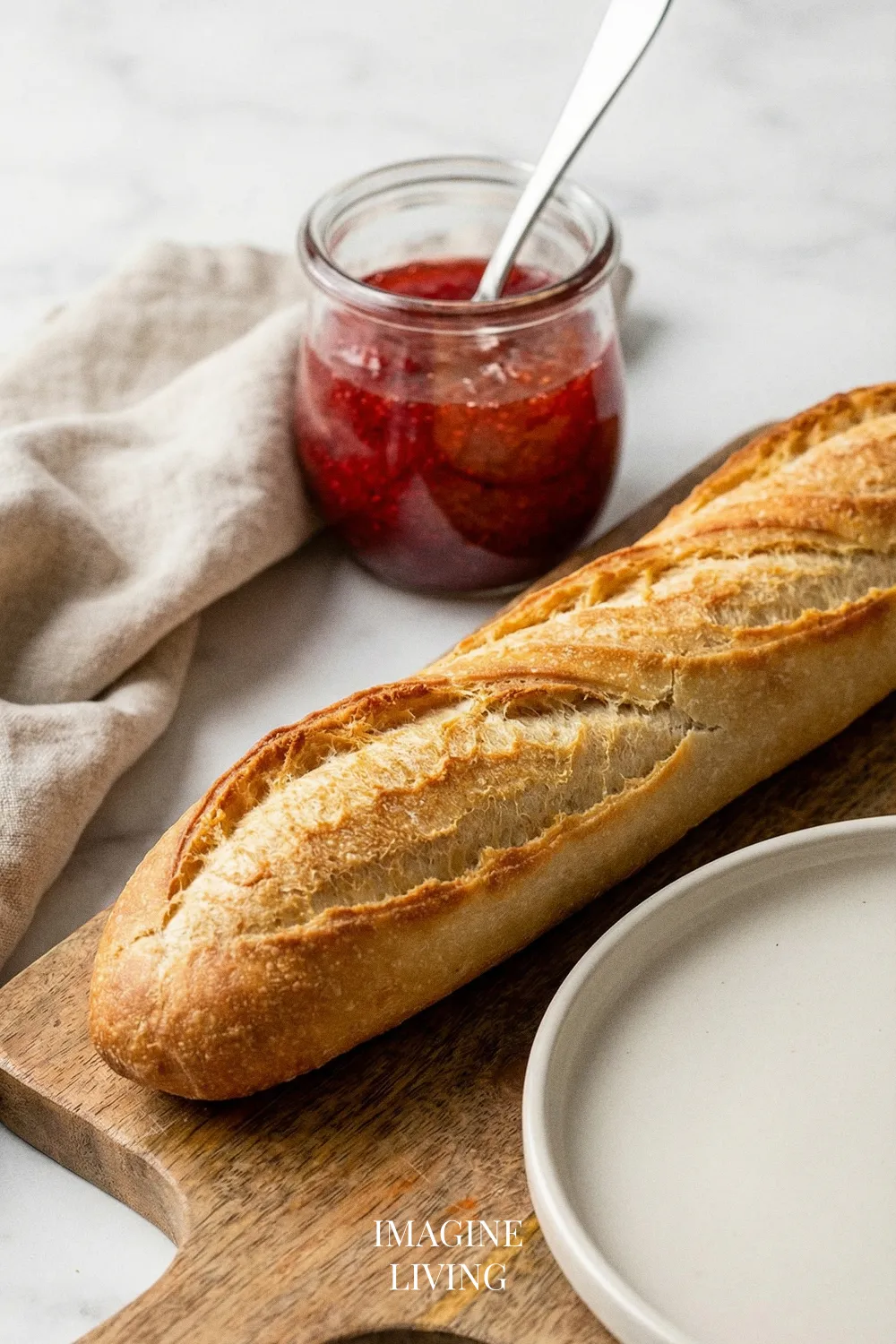
Ingredients: Easy French Baguette
Servings: 2 Baguettes
For the Dough
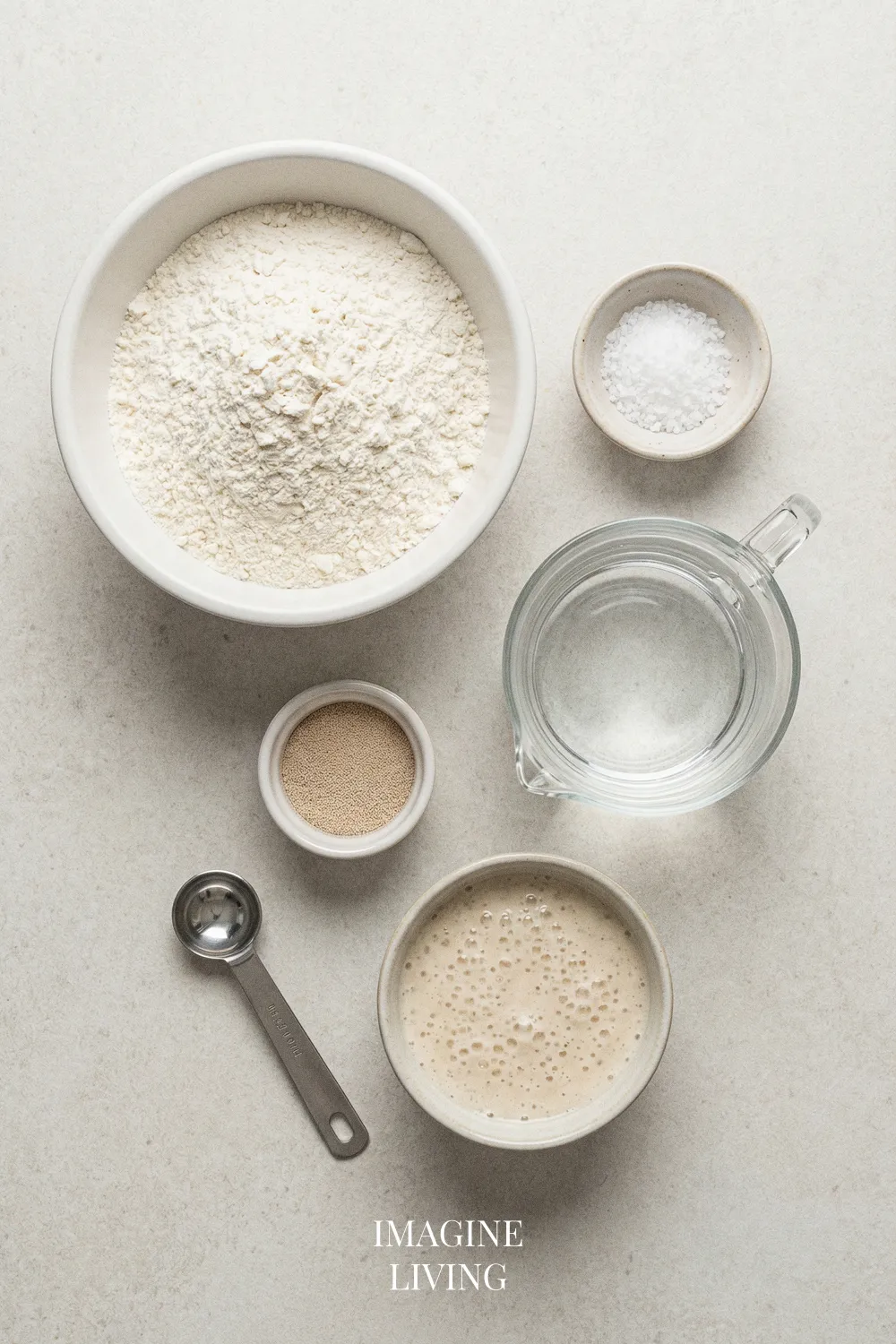
- 4 cups (480 g) all-purpose flour
- 1 1/2 cups (360 ml) warm water (about 110°F/43°C)
- 2 teaspoons (7 g) salt
- 1 teaspoon (3 g) sugar
- 1 packet (2 1/4 teaspoons or 7 g) dry yeast or 0.6 oz (17 g) fresh yeast
Options: Consider using bread flour for added chewiness or substituting whole wheat flour for a heartier baguette.
Equipment Needed
- Large mixing bowl
- Dough scraper
- Kitchen towel or plastic wrap
- Baking stone or baking sheet
- Sharp knife or lame for scoring
Step-By-Step Guide: Easy French Baguette
There are only a couple of moments here where timing matters, but each one is easier to feel out than it seems.
Step 1: Prepare the Yeast
In a small bowl, sprinkle the dry yeast over warm water. Allow it to sit for about 5 minutes until frothy. If using fresh yeast, crumble it directly into the warm water, stirring until dissolved.
Tip: Make sure your water isn’t too hot to avoid killing the yeast.
Step 2: Combine Ingredients
In a large mixing bowl, combine the flour, salt, and sugar. Then, pour in the activated yeast mixture. Stir until a shaggy dough forms, bringing together any stray bits of flour.
A few dry spots hanging around is normal — they’ll fall in line once you start kneading.
Step 3: Knead the Dough
Transfer the dough to a floured surface and knead for about 10 minutes until it’s smooth and elastic. The texture should be slightly tacky but not sticky.
Option note: If using bread flour, you may need to adjust the water content slightly.
You’ll feel the dough start to spring back a bit — that’s usually a good sign you’re getting close.
Step 4: First Rise
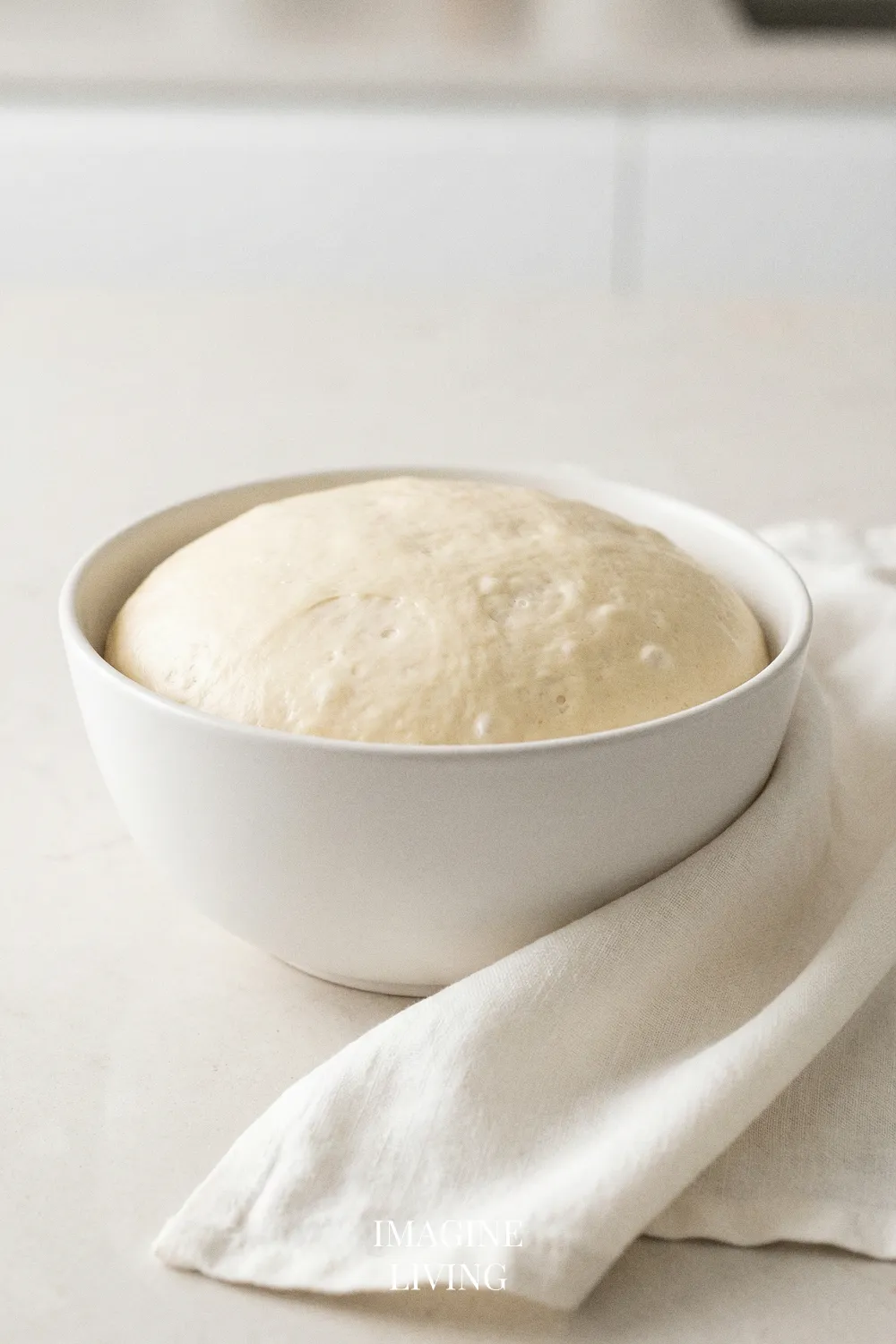
Place the dough in a lightly greased bowl, covering it with a kitchen towel or plastic wrap. Let it rise in a warm spot for about 1 hour, or until doubled in size.
Step 5: Shape the Baguettes
Once doubled, punch down the dough to release air. Divide it into two equal pieces. Roll each piece into a rectangle and then shape it into a baguette. Make sure to keep it taut.
Tip: Avoid adding too much flour while shaping; you want a smooth, well-hydrated dough.
A little stickiness here is helpful — the dough grips itself as it forms.
Step 6: Second Rise
Place the shaped baguettes on a floured baking sheet or a baking stone. Cover and let them rise for another 30 to 45 minutes, until they’ve puffed up.
Step 7: Preheat the Oven
Preheat your oven to 450°F (230°C), placing a small pan of water on the bottom rack to create steam, which helps develop a crispy crust.
There’s always that moment when you open the oven later and a wave of steam tries to greet you — just be ready.
Step 8: Score and Bake
Using a sharp knife or lame, carefully score the top of each baguette. This allows the bread to expand as it bakes. Place them in the oven and bake for 20-25 minutes until golden brown.
Tip: If you’re craving that deep golden crust, give the baguettes a light mist with water right before baking.
This video is here as an extra source of inspiration! While it may not match this exact recipe, it offers helpful techniques, ideas, or visual guidance to enhance your cooking experience.
Pro Tips for Easy French Baguette
A few small choices can make your loaf feel more intentional without adding any effort.
- For a more complex flavor, try letting the dough rise in the fridge overnight.
- Use a baking stone for a more professional crust.
- Experiment with different flours, such as bread flour for added chewiness.
Some days a dough just behaves better than expected — a nice surprise.

Dietary Variations & Substitutions
Gluten-Free Version
- Substitute all-purpose flour 1:1 with a gluten-free all-purpose flour blend that contains xanthan gum for structure.
- Expect the dough to be wetter; consider adding an extra 1-2 tablespoons of flour if too sticky.
- Start checking for doneness a few minutes earlier, as gluten-free dough can bake differently.
Tip: Let the dough rise longer to help develop flavor and texture.
Dairy-Free
- This recipe is already dairy-free. Simply ensure any toppings or spreads used afterward are also dairy-free.
Vegan Version
- The recipe is inherently vegan; simply ensure any toppings, such as butter or cheese, are plant-based.
- If you want to enhance flavor, consider adding a tablespoon of nutritional yeast to the dough.
Tip: Pair with vegan spreads like avocado or hummus for a delicious topping.
Low-Sugar Version
- Omit the sugar entirely or replace it with a sugar substitute such as stevia or erythritol, using according to package instructions for equivalence.
- For a mild sweetness without added sugar, consider adding finely grated apple or unsweetened applesauce (start with 1/4 cup and adjust flour accordingly).
Tip: Balance flavors with extra herbs or spices to compensate for reduced sweetness.

Creative Variations: Easy French Baguette
Herbed Baguette
Add dried herbs like rosemary or thyme to the dough for a fragrant twist.
Tip: Lightly brush the loaf with olive oil before baking for a richer flavor.
Olive and Feta Baguette
Incorporate chopped olives and crumbled feta into the dough for a savory kick.
Tip: Use a mix of black and green olives for added color and flavor contrast.
Garlic Baguette
Mix minced garlic into the dough for a garlicky delight that pairs well with pasta dishes.
Tip: Use roasted garlic for a sweeter, mellow flavor.
Whole Wheat Baguette
Substitute half of the all-purpose flour with whole wheat flour for a heartier bread.
Tip: Be mindful that whole wheat flour absorbs more liquid; you may need to adjust the water slightly.
Sweet Baguette
Add a tablespoon of honey or sugar into the dough along with chocolate chips for a delightful dessert baguette.
Tip: Serve warm with a spread of cream cheese for an indulgent treat.

Serving Suggestions
- Slice for elegant bruschetta topped with fresh tomatoes and basil.
- Use it for a rustic sandwich with cured meats and cheese.
- Serve alongside soups and salads as a dipping vessel.
Storage and Reheating
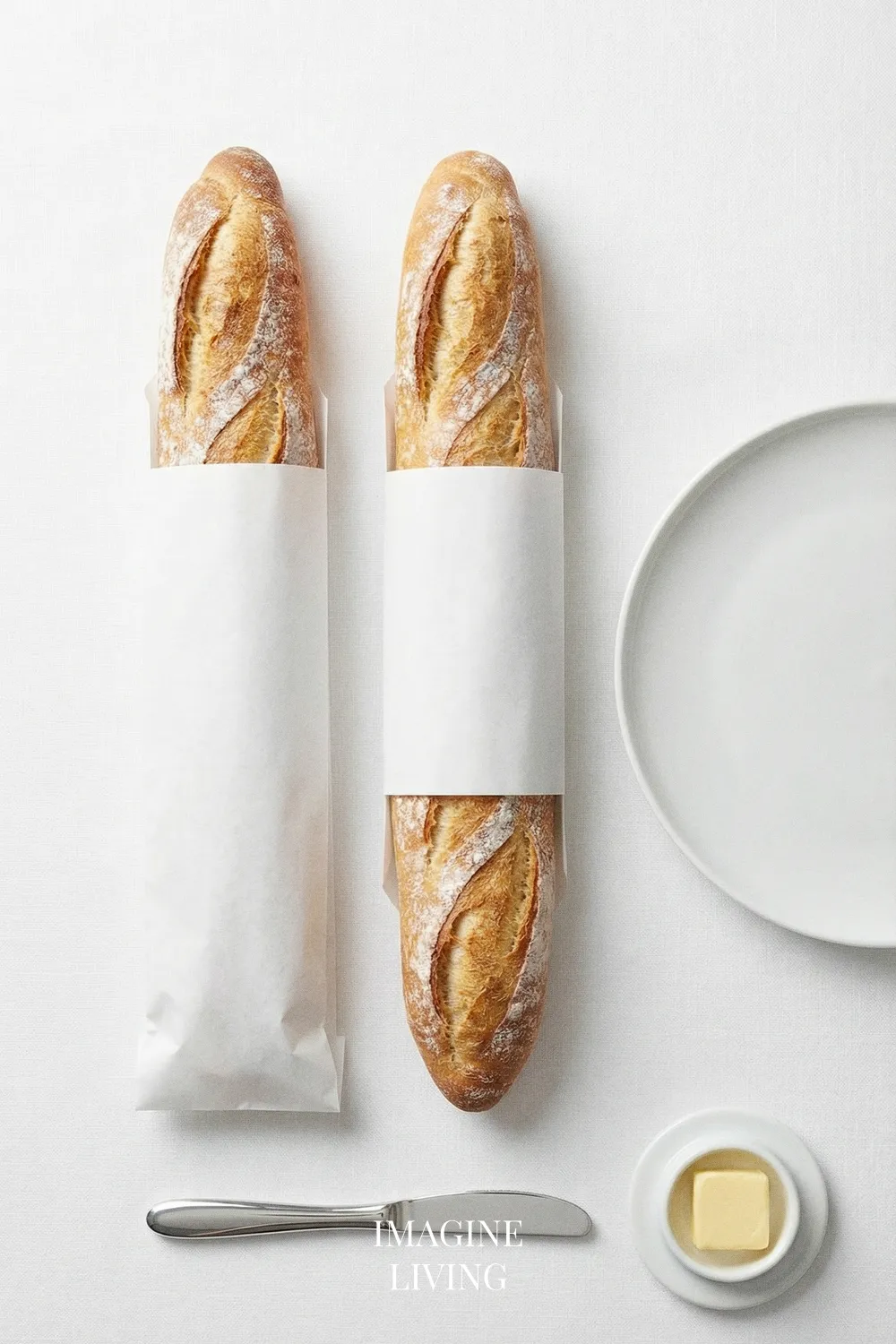
Store any leftover baguette in a paper bag at room temperature for up to three days. To revive its crusty texture, mist with water and reheat in a 350°F (175°C) oven for 5-10 minutes.
Common Mistakes to Avoid
A baguette doesn’t demand perfection — just a little attention at the right moments.
Not Kneading Enough
Under-kneaded dough may lead to a denser baguette.
Tip: The dough should be smooth and elastic when done.
If it still feels tight and stubborn, it’s just asking for a bit more work.
Overproofing the Dough
Allowing the dough to rise too long can cause it to deflate when baked.
Tip: Keep an eye on your dough and bake as soon as it has doubled.
Even a slightly overproofed loaf will still taste good — just adjust next time.
Skipping the Steam
Omitting steam might lead to a tough crust.
Tip: A small pan of water in the oven helps achieve that beautiful crust.
Incorrect Oven Temperature
Baking at the wrong temperature can prevent that lovely golden exterior.
Tip: Use an oven thermometer to ensure accurate baking conditions.
Not Scoring the Bread
Skipping this step will create uneven bursting in the dough.
Tip: Be sure to use a sharp blade for clean cuts.
FAQs
Can I use active dry yeast instead of fresh yeast?
Absolutely! You can substitute one packet of active dry yeast for fresh yeast.
How do I know when the baguette is done baking?
The baguette should be golden brown, and when tapped on the bottom, it should sound hollow.
Can I freeze baguettes?
Yes, you can freeze baked baguette. Wrap it tightly in plastic wrap and store in an airtight container.
Why is my baguette too dense?
This could be due to under-kneading or not allowing a proper rise.
How can I add flavor to the bread?
Consider mixing in herbs, cheeses, or even spices to enhance the flavor profile.
Bake Your Own Bakery-Style Baguette at Home
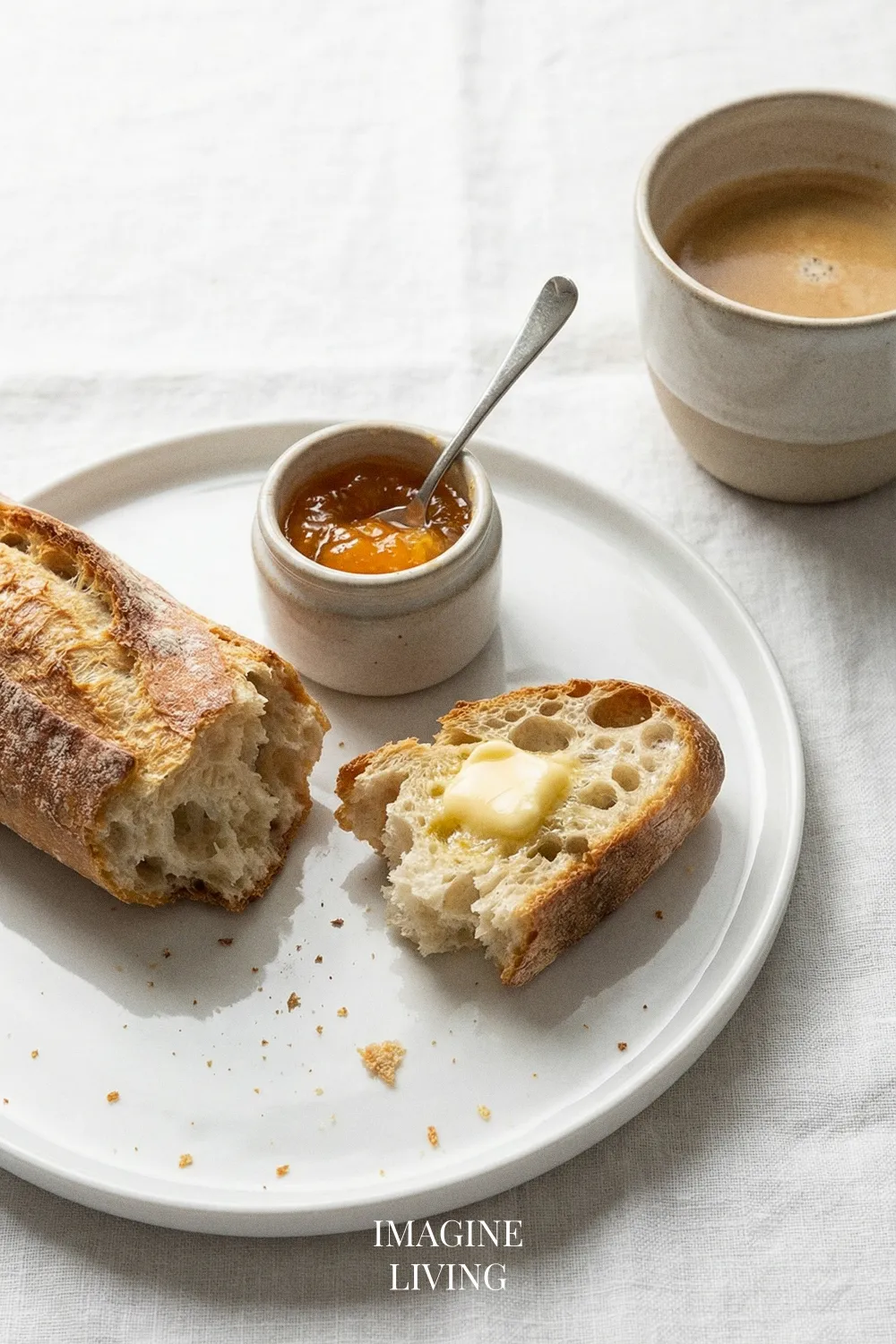
Once your baguettes cool just enough to handle, there’s that quiet reward of tearing into one and hearing the crust crackle. It’s simple, satisfying, and a good reminder that homemade bread doesn’t need to be complicated to feel worthwhile.
Easy French Baguette
Equipment
- Large mixing bowl
- Dough scraper
- Kitchen towel or plastic wrap
- Baking stone or baking sheet
- Sharp knife or lame for scoring
Ingredients
For the Dough
- 4 cups all-purpose flour
- 1 1/2 cups warm water (about 110°F/43°C)
- 2 teaspoons salt
- 1 teaspoon sugar
Instructions
Step 1: Prepare the Yeast
- In a small bowl, sprinkle the dry yeast over warm water. Allow it to sit for about 5 minutes until frothy. If using fresh yeast, crumble it directly into the warm water, stirring until dissolved.
- Tip: Make sure your water isn’t too hot to avoid killing the yeast.
Step 2: Combine Ingredients
- In a large mixing bowl, combine the flour, salt, and sugar. Then, pour in the activated yeast mixture. Stir until a shaggy dough forms, bringing together any stray bits of flour.
Step 3: Knead the Dough
- Transfer the dough to a floured surface and knead for about 10 minutes until it’s smooth and elastic. The texture should be slightly tacky but not sticky.
Step 4: First Rise
- Place the dough in a lightly greased bowl, covering it with a kitchen towel or plastic wrap. Let it rise in a warm spot for about 1 hour, or until doubled in size.
Step 5: Shape the Baguettes
- Once doubled, punch down the dough to release air. Divide it into two equal pieces. Roll each piece into a rectangle and then shape it into a baguette. Make sure to keep it taut.
- Tip: Avoid adding too much flour while shaping; you want a smooth, well-hydrated dough.
Step 6: Second Rise
- Place the shaped baguettes on a floured baking sheet or a baking stone. Cover and let them rise for another 30 to 45 minutes, until they’ve puffed up.
Step 7: Preheat the Oven
- Preheat your oven to 450°F (230°C), placing a small pan of water on the bottom rack to create steam, which helps develop a crispy crust.
Step 8: Score and Bake
- Using a sharp knife or lame, carefully score the top of each baguette. This allows the bread to expand as it bakes. Place them in the oven and bake for 20-25 minutes until golden brown.
- Tip: If you’re craving that deep golden crust, give the baguettes a light mist with water right before baking.