Delightful Spanish Latte Recipe
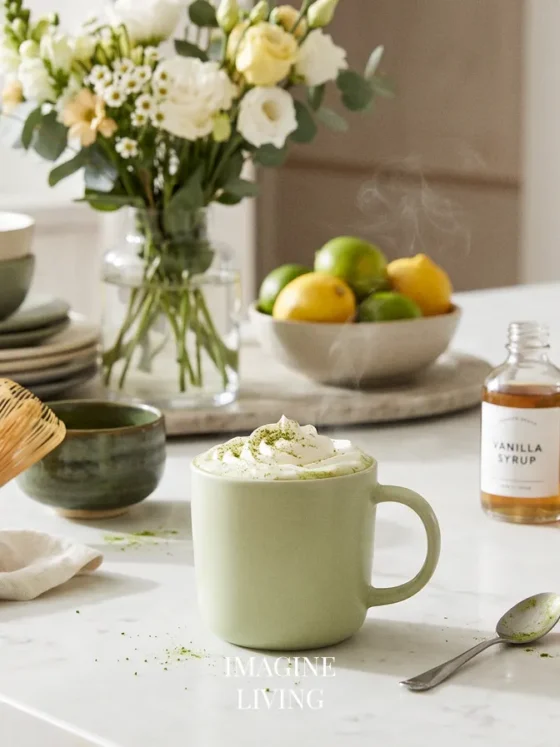
The first thing you’ll notice with a Spanish latte is the aroma — warm espresso meeting sweet, milky steam in the air. As you stir, the cinnamon settles in like it’s always belonged there. You don’t need barista skills or special flair here; just a few simple steps and a little attention. If you can make coffee half-awake, you can make this — and enjoy something that tastes like it took a lot more effort than it actually did.
Why You’ll Love This Recipe
The Spanish latte is a delightful twist on your regular coffee routine. Here’s why you’ll adore making it at home:
- Rich, Creamy Flavor: The combination of espresso and evaporated milk creates an indulgent, smooth experience that’s hard to resist.
- Perfect Balance of Sweet and Spicy: A hint of cinnamon adds depth, while the sweetness makes each sip enjoyable.
- Quick and Easy: With just a few ingredients, you can whip up this café-inspired drink in no time.
- Customizable: Adjust the sweetness or spice levels to suit your personal taste.
Ingredients: Homemade Spanish Latte Recipe (Serves 2)
For the Latte
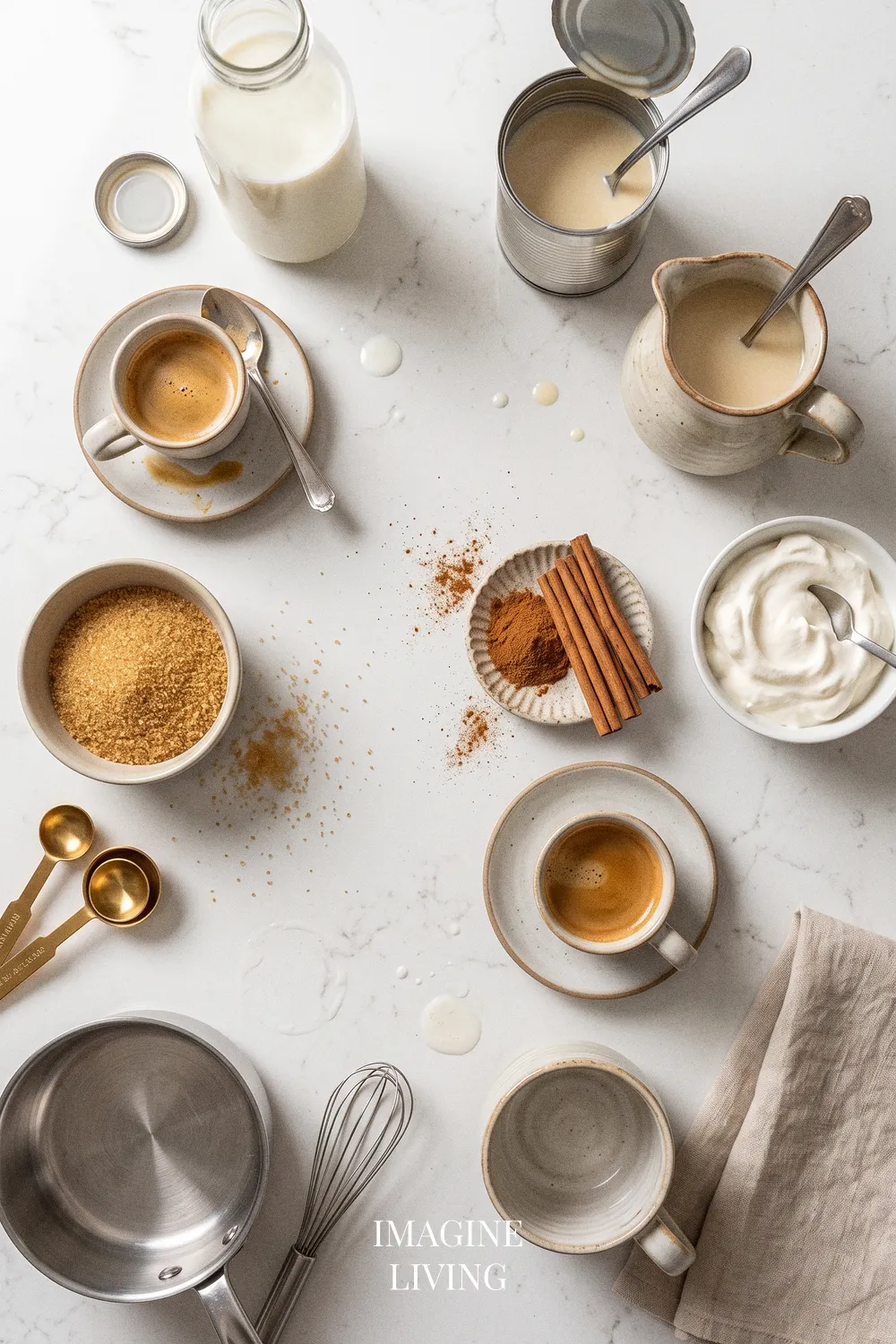
- 2 shots of espresso (about 60 ml)
- 1 cup (240 ml) of whole milk
- 1/2 cup (120 ml) of evaporated milk
- 2 tablespoons of sugar (or to taste)
- 1/2 teaspoon of ground cinnamon
Optional Toppings
- Extra cinnamon for dusting
- Whipped cream
Options: Substitute whole milk with almond or oat milk for a dairy-free alternative.
Equipment Needed
- Espresso machine or stovetop espresso maker
- Milk frother (or small whisk)
- Small saucepan
- Measuring cups and spoons
Step-By-Step Guide: How to Make a Spanish Latte
This part is all about timing and heat — getting the espresso strong and the milk hot but not scorched. It sounds fussier than it feels once you’re standing at the stove.
Step 1: Brew the Espresso
Start by brewing 2 shots of espresso using your espresso machine or stovetop maker. The rich aroma will fill your kitchen, adding to the cozy ambiance.
You’ll know it’s strong enough when it smells like something you’d happily sip on its own.
Tip: If you don’t have an espresso machine, you can use strong brewed coffee as an alternative.
Step 2: Heat the Milk
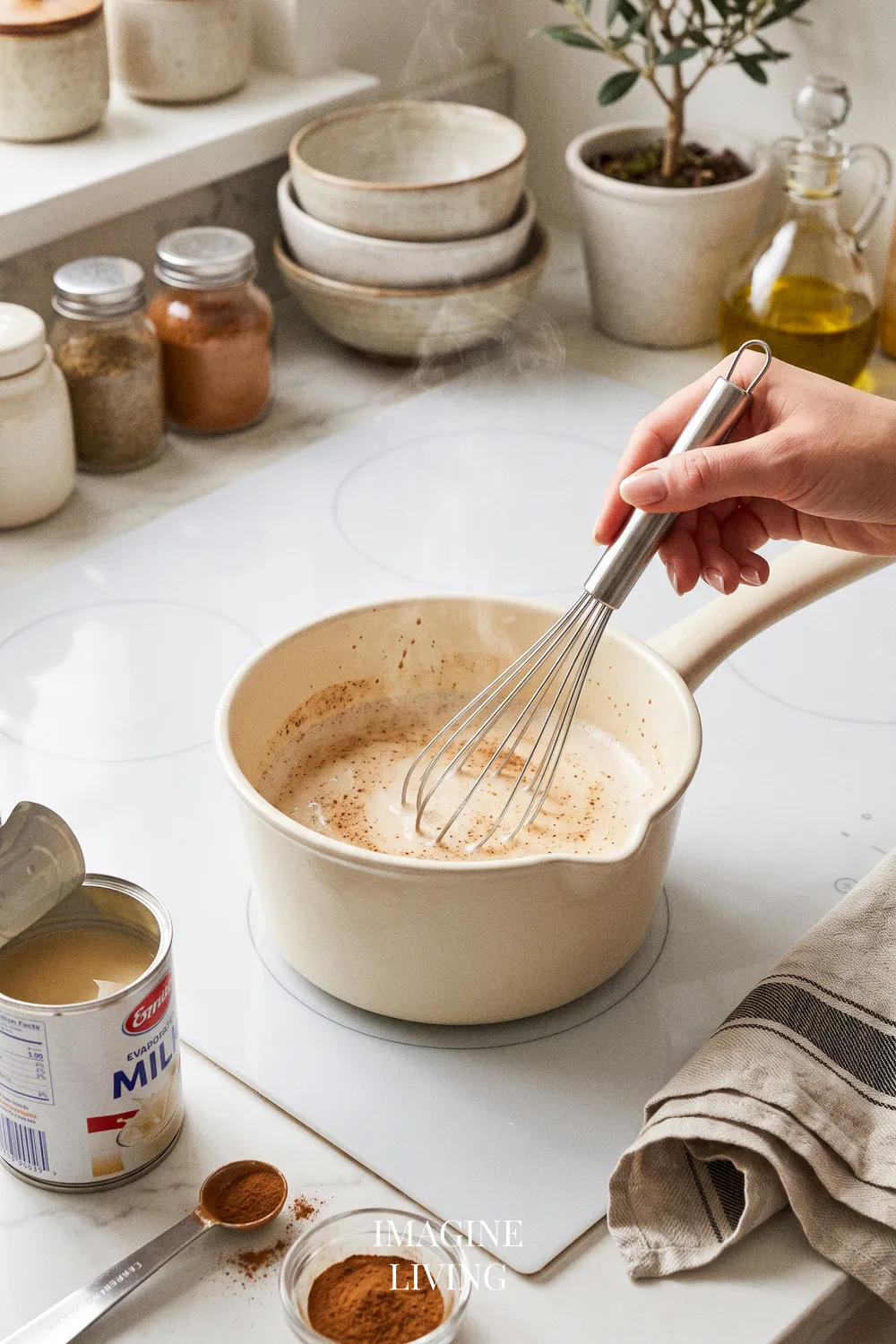
In a small saucepan, combine the whole milk and evaporated milk. Warm gently over medium heat until it’s steaming but not boiling. Stir in the sugar and cinnamon until dissolved.
There’s a sweet spot where the milk is hot, the sugar disappears, and the cinnamon leaves faint specks through the foam — that’s what you’re aiming for.
Tip: A thermometer can help ensure your milk is heated to about 150°F (65°C) for the best froth.
Step 3: Froth the Milk
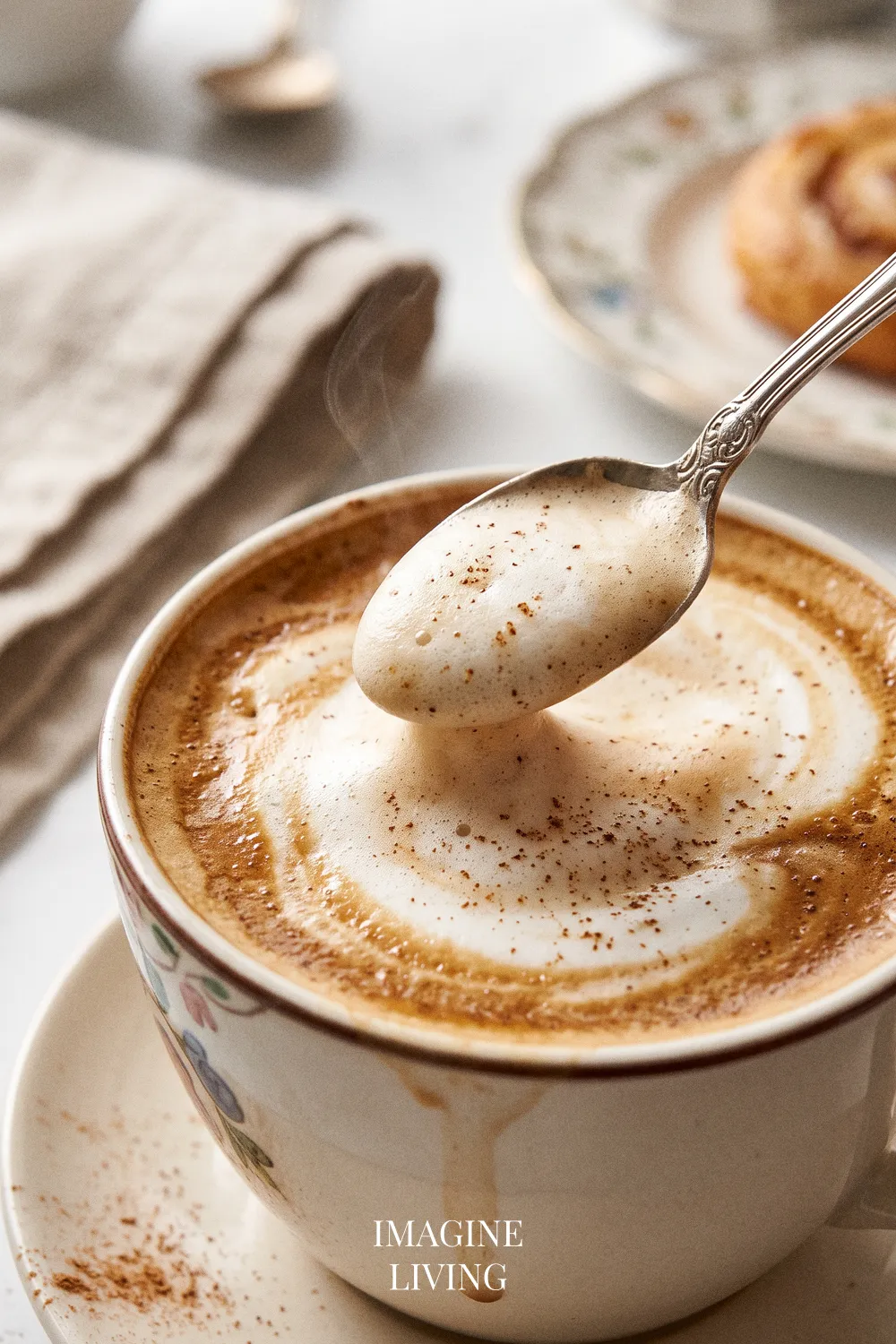
Once heated, use a frother or a whisk to create a nice foam. This adds an irresistible creaminess to your latte.
You’ll feel the texture change under the whisk as it thickens slightly and looks silky on top.
Tip: For an even richer froth, try frothing the milk after it’s heated for a couple of seconds.
Step 4: Combine and Serve
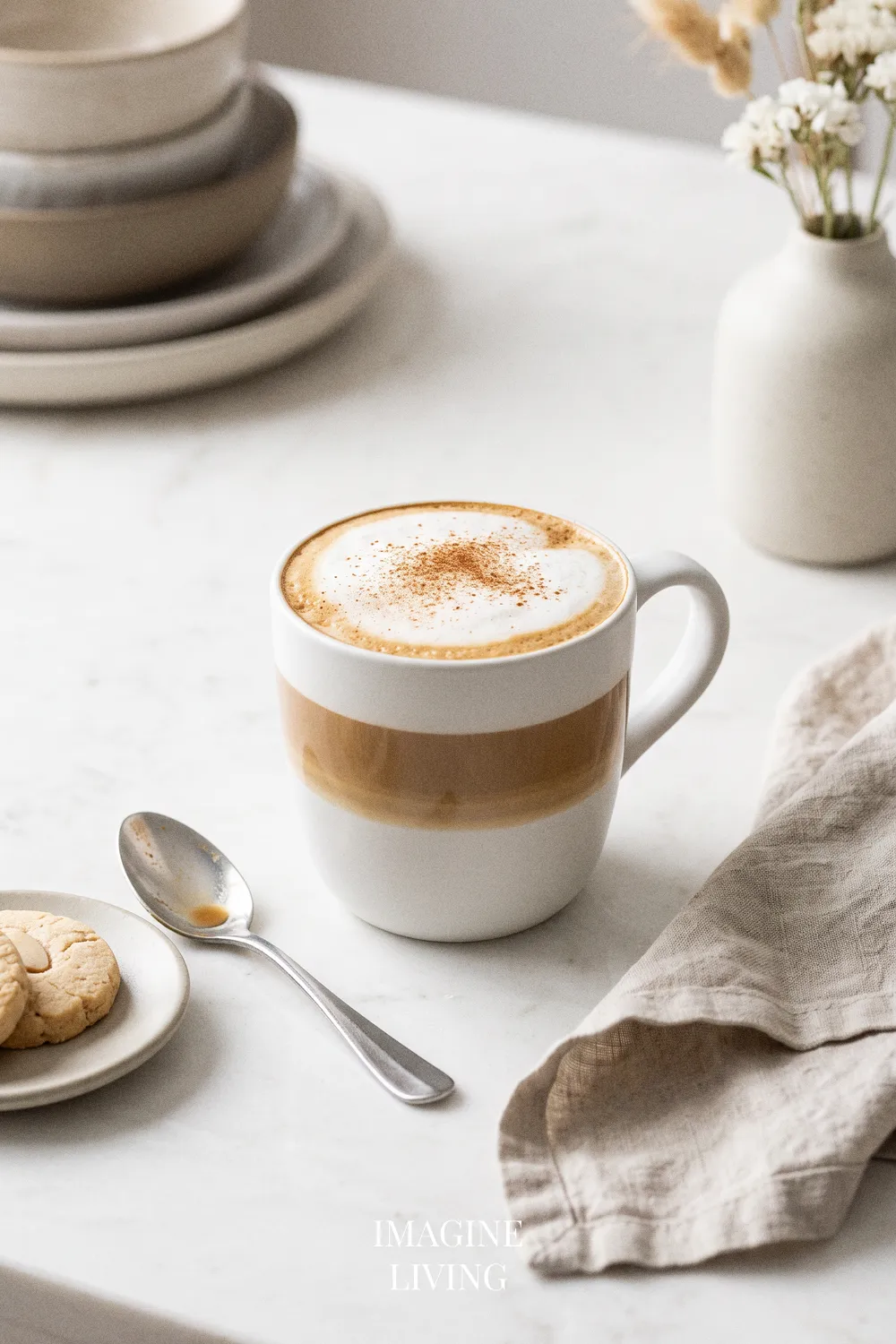
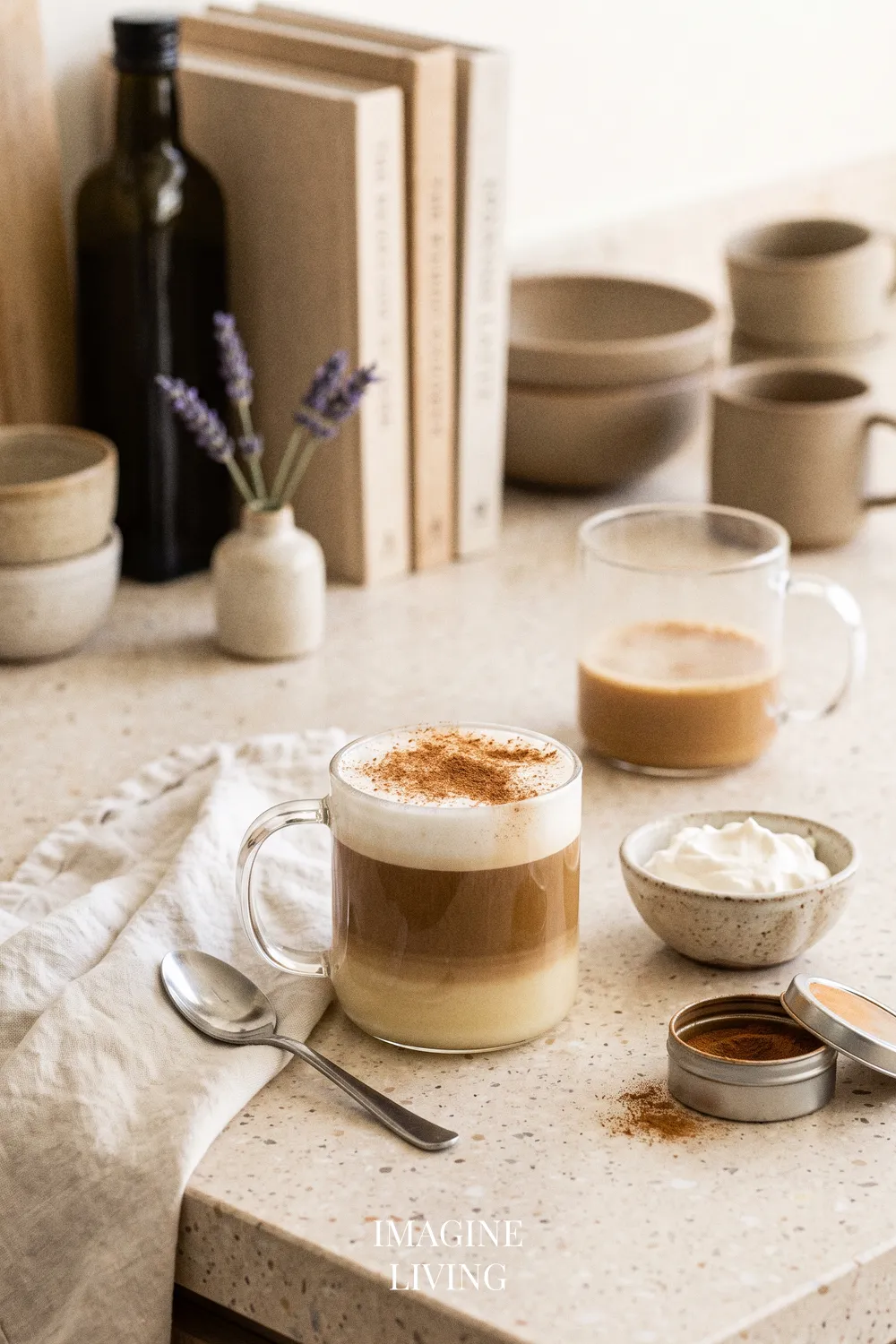
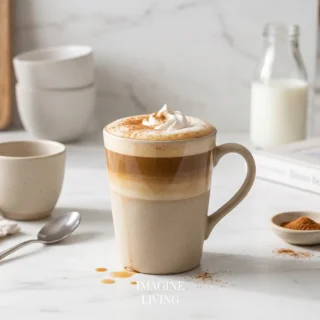
Pour the brewed espresso into a large mug and slowly add the frothed milk on top. Sprinkle with extra cinnamon if desired.
That slow pour lets the layers settle together — a little swirl at the end never hurts.
Tip: A swirl of whipped cream can elevate the drink’s presentation and flavor.
Pro Tips for Spanish Latte
Think of these as small nudges to help your latte taste like it came from a café, without making things complicated.
- Experiment with different types of milk, like almond or oat milk, for unique flavors.
- Adjust the sugar to fit your taste; starting with a small amount allows you to build sweetness gradually.
- Try adding a splash of vanilla extract for an aromatic twist.
- Incorporate a sprinkle of cocoa powder for a mocha variation.
- Always froth milk just before serving to maintain its texture — foam doesn’t like to wait around.
Dietary Variations & Substitutions
Dairy-Free Version
- Substitute whole milk with unsweetened almond, oat, or coconut milk in equal amounts.
- Replace evaporated milk with a similar volume of canned coconut milk or a dairy-free evaporated milk alternative.
- Froth the plant-based milk just as you would with dairy; some may froth better than others.
Tip: Aim for a barista-style oat milk for the best frothing results.
Vegan Version
- Follow the dairy-free suggestions above for the milk swaps.
- Use a plant-based sweetener, such as agave or maple syrup, instead of sugar.
- Ensure any additional toppings like whipped cream are dairy-free and plant-based.
Tip: Check labels on sweeteners and toppings to ensure they are fully vegan.
Nut-Free Version
- If using nut milks for dairy alternatives, choose oat or soy milk instead.
- Ensure that any toppings (like whipped cream) or added ingredients are processed in a nut-free facility to avoid cross-contamination.
Tip: Soy milk can provide a similar creaminess to dairy milk.
Low-Sugar Version
- Reduce the sugar by half or replace it with a low-calorie sweetener like stevia or erythritol, adjusting to taste one-to-one.
- Add extra cinnamon to enhance sweetness perception without sugar.
Tip: Be cautious with sweetener amounts; start small and increase as needed.
High-Protein Version
- Substitute whole milk for higher-protein options like soy milk or use protein-fortified almond milk.
- Consider adding a scoop of unflavored or vanilla protein powder to the milk before frothing. Adjust sweetness as necessary.
Tip: Blend the protein powder with a little water before mixing to avoid clumps.
Gluten-Free Version
- Ensure any processed sweeteners or packaged elements transcend gluten contamination. Typically, all base ingredients should be naturally gluten-free.
- Always check the labels of any non-dairy milk used to confirm they meet gluten-free standards.
Tip: Stick to whole, unprocessed ingredients to maintain gluten-free integrity.
Creative Variations: Explore Your Spanish Latte
Cinnamon Dolce
Add a splash of vanilla syrup for a sweeter spin.
Tip: Balance sweetness with a dusting of cinnamon on top.
Iced Spanish Latte
Use cold milk and serve over ice for a refreshing summer drink.
Tip: Blend with ice for a frappé-style treat.
Coconut Delight
Substitute evaporated milk with coconut cream for a tropical twist.
Tip: Garnish with toasted coconut flakes for an added crunch.
Chocolate-Cinnamon Sip
Mix cocoa powder with your sugar and cinnamon to create a mocha latte.
Tip: Drizzle chocolate syrup on top for an indulgent finish.
Spiced Pumpkin Latte
Add a teaspoon of pumpkin spice for a fall-inspired flavor.
Tip: A sprinkle of nutmeg enhances the autumn vibe.

Serving Suggestions
Pair your Spanish latte with a slice of cinnamon coffee cake, buttery croissants, or even a light fruit salad for a complete breakfast experience. A simple biscuit or cookie on the side also does the job nicely when you just want a small bite.

Storage and Reheating
Spanish lattes are best enjoyed fresh. However, if you have leftovers, store the latte components separately in airtight containers in the fridge. Reheat gently using a microwave or stovetop, and re-froth milk before serving again. The flavor holds up well — it’s mostly the foam that needs a little refresh.
Common Mistakes to Avoid
Even with a simple drink like this, a few small things can throw it off. They’re easy to sidestep once you know what to watch for.
Skipping the Frothing
Frothing adds a delightful texture; omit it at your own risk!
If you miss it once, you’ll probably notice how flat the drink feels and remember next time.
Tip: If you don’t have a frother, shake the milk in a jar before heating.
Overheating Milk
Burnt milk can ruin your latte’s taste.
If it starts to smell a bit too toasty, just take it off the heat and start again — the ingredients are simple enough.
Tip: Keep an eye on the milk and remove it just before it boils.
Too Much Sugar
It’s easy to overdo sweeteners; start small to adjust gradually.
If it gets too sweet, a little extra espresso or coffee can help balance it out.
Tip: Remember, you can always add more, but you can’t take it out!
Wrong Espresso Strength
Weak coffee can lead to a bland latte.
If your first try tastes faint, simply brew it stronger next time rather than adding more sugar.
Tip: Ensure you’re using a strong espresso or coffee for best results.
Forgetting to Mix Ingredients
For a uniform flavor, mix your sugar and spices well.
If you find a sugary layer at the bottom, just give it a quick stir and you’re back on track.
Tip: Try dissolving the sugar in a tiny amount of hot water first if you have trouble.
FAQs
What type of espresso should I use?
Use a quality espresso that you enjoy drinking, whether it’s store-bought pods or freshly ground beans.
Can I make this latte dairy-free?
Absolutely! You can substitute whole and evaporated milk with plant-based alternatives like almond, oat, or coconut milk.
What other sweeteners can I use?
Feel free to use honey, agave syrup, or natural sweeteners to suit your preference.
Is this recipe suitable for beginners?
Yes! This recipe is straightforward and perfect for coffee lovers, regardless of skill level.
Can I store leftovers?
It’s best enjoyed fresh, but you can store components in the fridge for up to two days.
A Perfect Warmth in Each Sip
Making this Spanish latte at home turns an everyday coffee break into something a bit more intentional. With a few simple steps, you end up with a mug that’s creamy, gently spiced, and just sweet enough to feel like a small treat. Take a moment with it, sip slowly, and enjoy what you put together.
Delightful Spanish Latte Recipe
Equipment
- Espresso machine
- Milk frother or a small whisk
- Small saucepan
- Measuring cups and spoons
Ingredients
For the Latte
- 2 shots espresso about 60 ml
- 1 cup whole milk 240 ml
- 1/2 cup evaporated milk 120 ml
- 2 tablespoons sugar or to taste
- 1/2 teaspoon ground cinnamon
Optional Toppings
- Extra cinnamon for dusting
- Whipped cream
Instructions
Step 1: Brew the Espresso
- Start by brewing 2 shots of espresso using your espresso machine or stovetop maker. The rich aroma will fill your kitchen, adding to the cozy ambiance.
- Tip: If you don’t have an espresso machine, you can use strong brewed coffee as an alternative.
Step 2: Heat the Milk
- In a small saucepan, combine the whole milk and evaporated milk. Warm gently over medium heat until it's steaming but not boiling. Stir in the sugar and cinnamon until dissolved.
- Tip: A thermometer can help ensure your milk is heated to about 150°F (65°C) for the best froth.
Step 3: Froth the Milk
- Once heated, use a frother or a whisk to create a nice foam. This adds an irresistible creaminess to your latte.
- Tip: For an even richer froth, try frothing the milk after it's heated for a couple of seconds.
Step 4: Combine and Serve
- Pour the brewed espresso into a large mug and slowly add the frothed milk on top. Sprinkle with extra cinnamon if desired.
- Tip: A swirl of whipped cream can elevate the drink's presentation and flavor.