Butternut Squash Mac and Cheese
Creamy butternut squash gives off a gentle sweetness as it cooks, the kind that makes you pause for a second over the pot. I like how this version feels both cozy and slightly bright at the same time, and it’s grounding to know the sauce comes together without much fuss. If anything feels uncertain along the way, trust that the squash and cheese do most of the work—there’s a quiet confidence in that. And really, any dish that turns this color earns a small, satisfied smile.
Why You’ll Love This Recipe
This butternut squash mac and cheese is a game-changer for both adults and kids alike. You’ll be captivated by the depth of flavor and the creamy consistency that hugs every noodle. Here’s why it deserves a spot in your rotation:
- Comforting and hearty, perfect for cozy evenings.
- Nutritious twist packed with vitamins from the squash.
- The ideal blend of flavors—sweet, savory, and sharp.
- Simple to make with readily available ingredients.
- Great for leftovers—taste gets even better the next day!
Ingredients: Butternut Squash Mac and Cheese (Serves 4)
For the Sauce
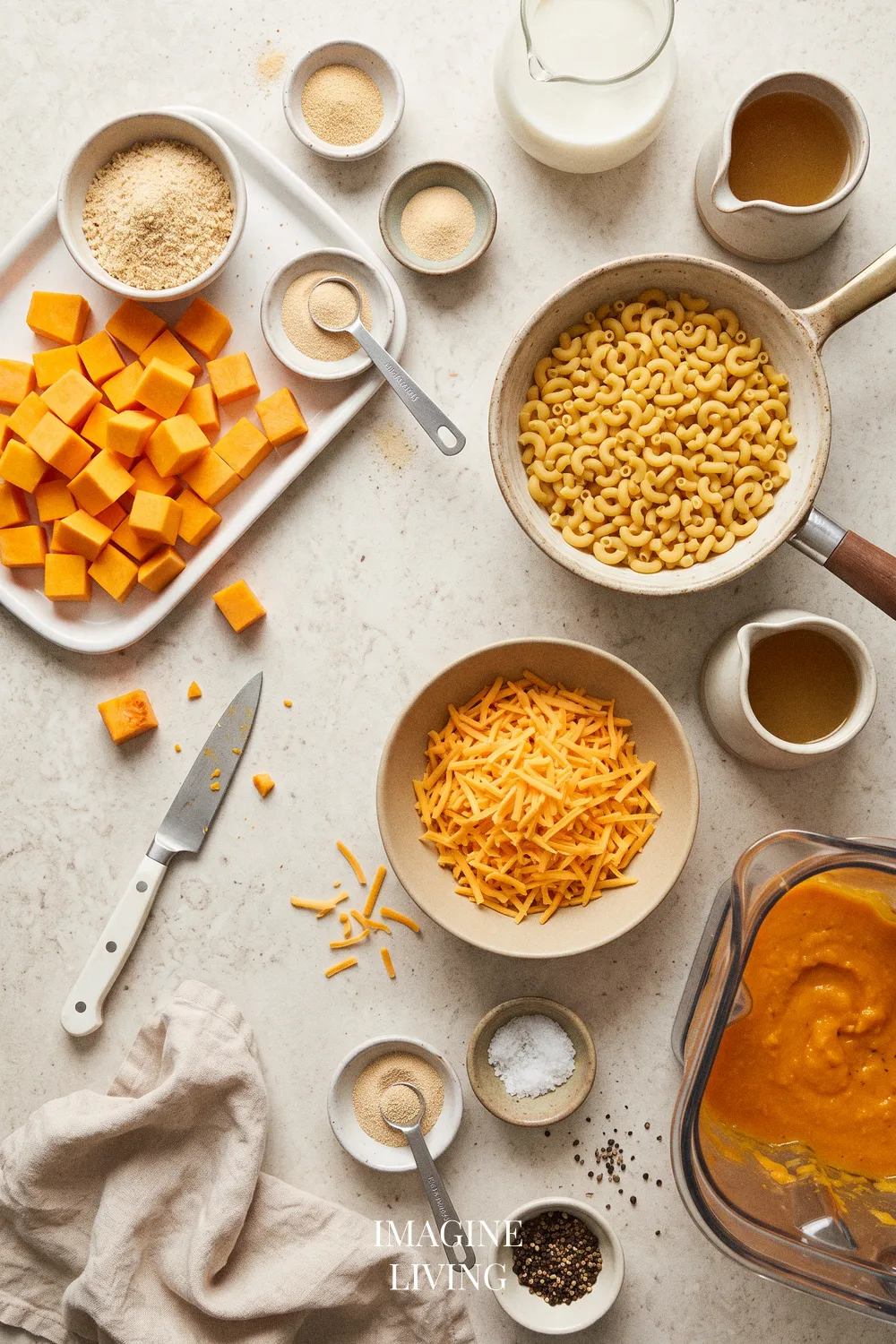
- 1 medium butternut squash (about 2 cups, peeled and cubed)
- 2 cups (500 mL) vegetable broth
- 1 cup (240 mL) whole milk
- 1 cup (100 g) sharp cheddar cheese, grated
- ½ cup (50 g) Parmesan cheese, grated
- 1 teaspoon garlic powder
- 1 teaspoon onion powder
- Salt and pepper to taste
For the Filling
- 8 oz (225 g) elbow macaroni (or your favorite pasta)
- 1 tablespoon olive oil
- Fresh herbs (like thyme or parsley) for garnish
Options: Swap regular pasta for whole-grain or gluten-free types for a healthier option.
Equipment Needed
- Large pot
- Blender or food processor
- Baking dish
- Medium saucepan
- Stirring spoon
Step-By-Step Guide: Butternut Squash Mac and Cheese
This part looks longer than it feels—most of the work happens quietly while things simmer or blend.
Step 1: Cook the Squash
Begin by peeling and cubing the butternut squash. In a large pot, add the cubed squash and vegetable broth. Bring to a simmer and cook until tender, about 15 minutes. The sweet aroma of the squash will fill your kitchen.
Tip: Make sure the pieces are roughly the same size for even cooking.
— There’s always that moment when one cube softens just before the rest; a quick poke helps keep things on track.
Step 2: Blend the Sauce
Once the squash is tender, drain the liquid and reserve it. Transfer the squash into a blender, adding whole milk, garlic powder, onion powder, and half of the cheddar cheese. Blend until smooth. Adjust with reserved broth if you prefer a thinner consistency.
Tip: If you like a bit of spice, throw in a pinch of cayenne pepper.
Step 3: Cook the Pasta
In a medium saucepan, cook the elbow macaroni according to package instructions until al dente. Drain and return it to the pot. Add a tablespoon of olive oil to prevent sticking.
— Pasta always seems to cling together the moment you look away; the oil helps keep the peace.
Option note: If using gluten-free pasta, follow package instructions for cooking time.
Step 4: Combine Everything
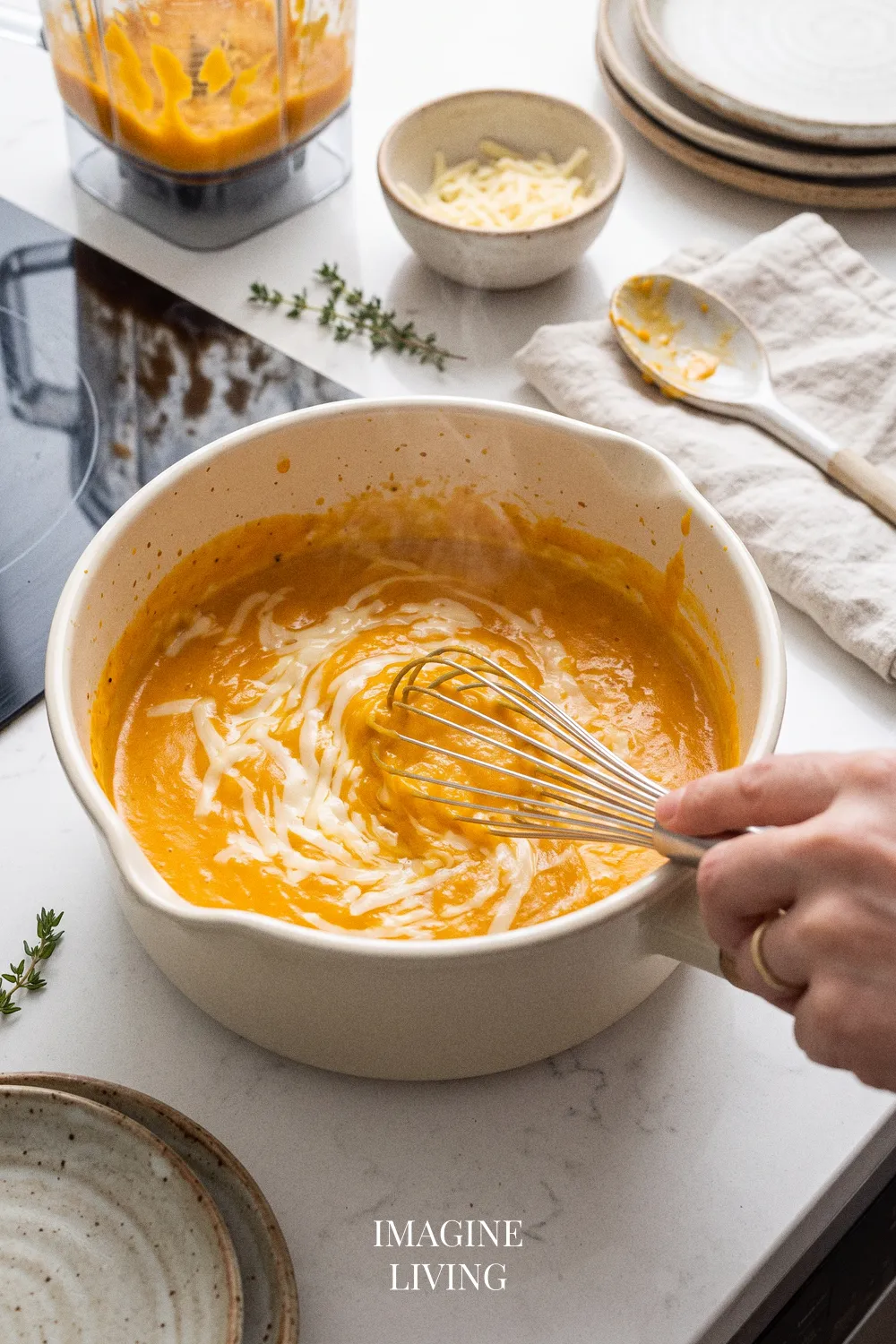
Pour the butternut squash sauce over the macaroni, stirring until the pasta is completely coated. Add the remaining cheddar and Parmesan cheese, mixing until everything is melted and creamy.
Step 5: Bake (Optional)
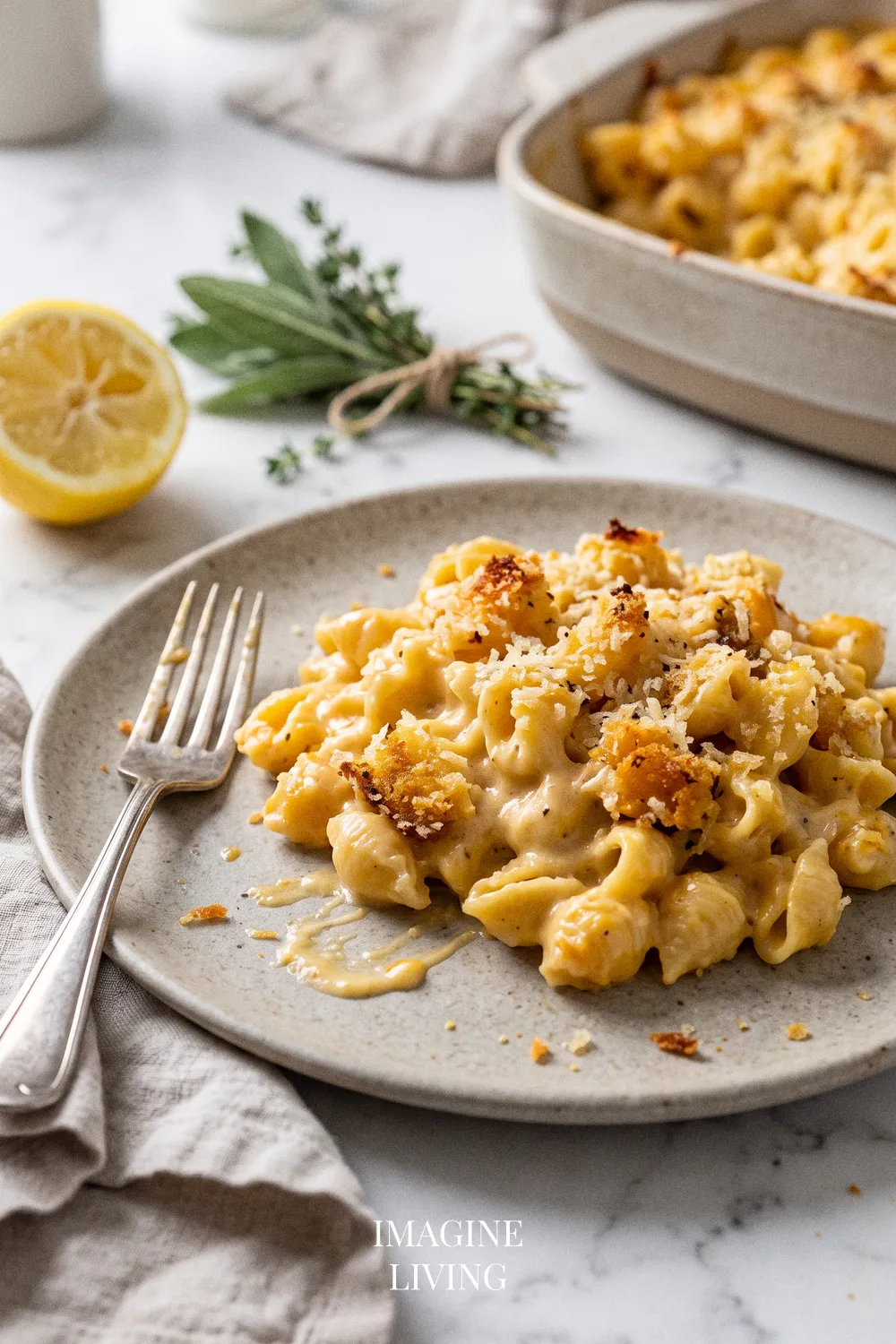
Transfer the mac and cheese to a baking dish. For a crispy top, you can sprinkle extra cheese or breadcrumbs and bake in a preheated oven at 375°F (190°C) for 20 minutes.
Pro Tips for Butternut Squash Mac and Cheese
A few small choices can make the whole dish feel smoother and more relaxed to cook.
- Use freshly grated cheese for a smoother melt.
- For a gourmet touch, incorporate truffle oil into the sauce.
- Swap out regular pasta for whole-grain or gluten-free types for a healthier option.
- Add cooked protein like chicken or bacon for extra substance.
- Top with roasted pumpkin seeds for a delightful crunch.
— That pumpkin seed crunch always catches people slightly off guard in a good way.
Dietary Variations & Substitutions
Gluten-Free Version
- Swap elbow macaroni with gluten-free pasta of your choice, following the package instructions for cooking time.
- Ensure your vegetable broth is gluten-free; some brands may contain additives.
- Baking time remains the same, but start checking for doneness a few minutes earlier, as GF pasta may cook differently.
Tip: When using GF pasta, consider adding a bit more olive oil to keep it from sticking.
Dairy-Free
- Replace whole milk with unsweetened almond milk or oat milk in a 1:1 ratio.
- Use a dairy-free cheese alternative, adjusting the amount as necessary (usually around 1 cup).
- Blend your sauce to ensure a smooth consistency; you may need to add more broth for a thinner texture.
Tip: Adding nutritional yeast can enhance the cheesy flavor in dairy-free versions.
Vegan Version
- Use non-dairy milk as noted above and replace cheese with a plant-based substitute.
- You can create a more substantial sauce by adding a tablespoon of nutritional yeast to give a cheesy flavor.
- Ensure all other ingredients, including broth, are vegan-friendly.
Tip: Blend in some sautéed onions or mushrooms for added depth and umami.
Egg-Free Version
- This recipe is naturally egg-free, but when substituting in additional items (like protein), use plant-based options such as tofu or legumes.
- No changes needed for the existing ingredients.
Tip: If you’re adding extras, ensure they’re also egg-free for consistency.
Low-Sugar Version
- There’s minimal sugar in this recipe, but reduce any added sauces or choose unsweetened dairy alternatives.
- Consider enhancing flavors with spices like smoked paprika or more garlic to compensate for the lack of sweetness.
Tip: A touch of lemon juice can brighten the flavors without added sugar.
High-Protein Version
- Mix in cooked lentils or chickpeas into the pasta for extra protein (about 1 cup).
- Use a high-protein pasta alternative if available, such as chickpea or lentil pasta.
Tip: Ensure your cooking liquid (broth) complements the added protein for a cohesive flavor.
Nut-Free Version
- Confirm that the plant-based cheese and milk substitutes are nut-free, as certain brands may use nut-based ingredients.
- Regular pasta is typically nut-free, but check for any cross-contamination with other products.
Tip: Avoid topping with nuts; instead, consider seeds like pumpkin for added crunch.
Creative Variations: Fun Twists on Butternut Squash Mac and Cheese
Add Spinach
Stir in a handful of fresh spinach before baking for a pop of color and nutrients.
Tip: Ensure to squeeze out excess moisture from the spinach.
Use Different Cheeses
Mix in Gruyère or feta cheese for a unique flavor profile.
Tip: Experimenting with cheese blends can lead to surprising results.
Make It Spicy
Incorporate jalapeños or a splash of hot sauce for a kick.
Tip: Adjust the spice level to suit your palate.
Incorporate Other Veggies
Zucchini, broccoli, or roasted bell peppers can be added for added texture and taste.
Tip: Sauté the veggies beforehand to enhance the flavors.
Top with Bacon
Crispy bacon bits on top can elevate the mac and cheese experience.
Tip: Save some bacon grease to drizzle over before serving for extra flavor.
Serving Suggestions
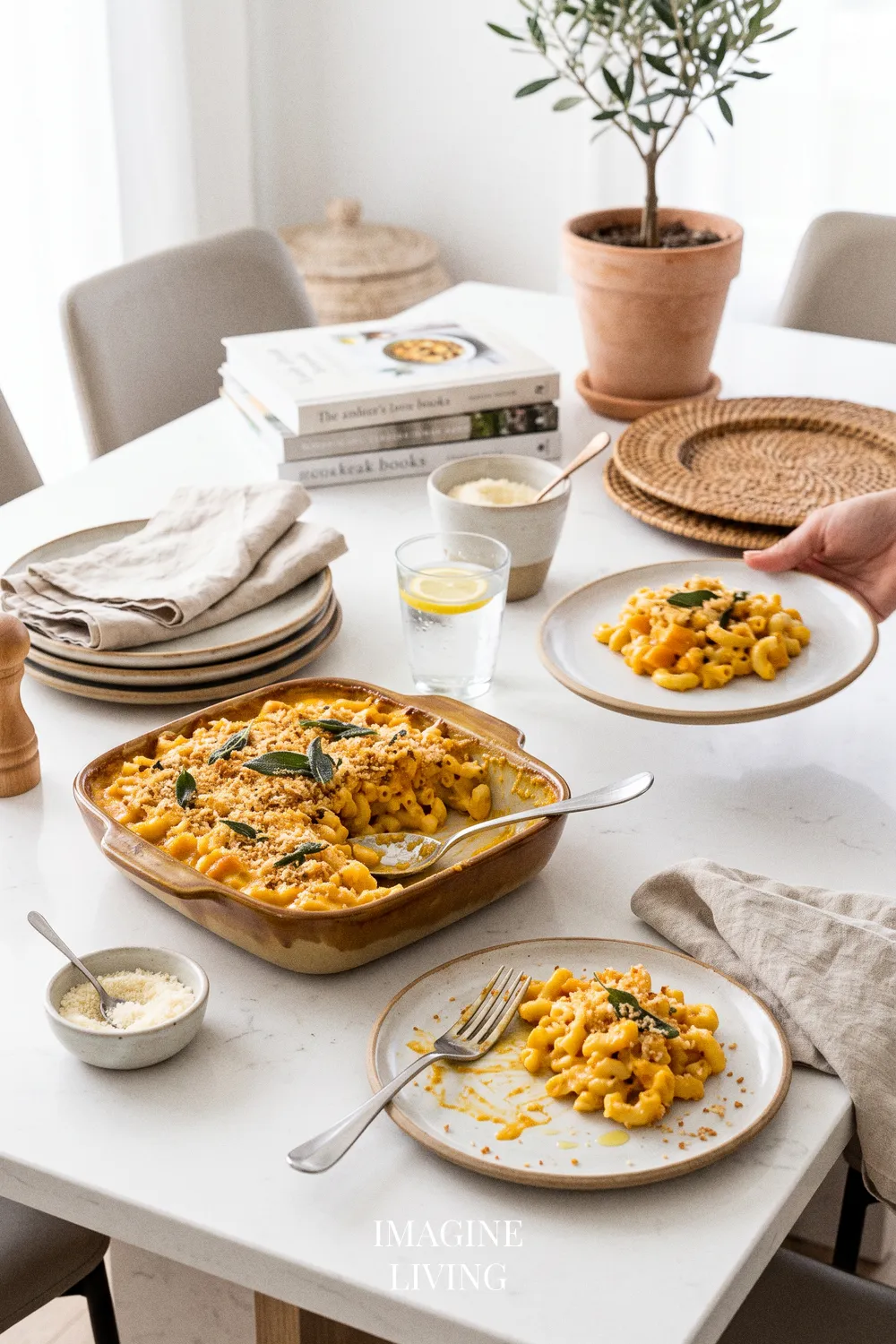
Serve this butternut squash mac and cheese warm in bowls, garnished with fresh herbs. It pairs perfectly with a simple side salad or roasted vegetables for a complete meal.
Storage and Reheating
Store leftovers in an airtight container in the refrigerator for up to 3 days. Reheat gently in the microwave or on the stovetop, adding a splash of milk to restore creaminess.
Common Mistakes to Avoid
A few things can drift off course, but each one is easy to bring back.
Overcooking the Squash
Too much cooking can lead to mushy squash, ruining the texture of your sauce.
Tip: Check for tenderness after 15 minutes to avoid overcooking.
Using Pre-Shredded Cheese
Pre-packaged cheese contains anti-caking agents that can prevent smooth melting.
Tip: Always opt for freshly grated cheese.
Skipping Seasoning
Neglecting to season can lead to a bland dish.
Tip: Taste your sauce before mixing with pasta and adjust accordingly.
Not Reserving Pasta Water
This liquid can be crucial for achieving the right sauce consistency.
Tip: Always save a cup of pasta cooking water before draining.
Baking at Too High a Temperature
Baking at too high a temperature can burn the top while leaving the inside cold.
Tip: Bake at 375°F (190°C) for the best results.
FAQs
Can I freeze butternut squash mac and cheese?
Yes, you can freeze it! Just thaw and reheat in the oven for the best texture.
Can I make this dish vegan?
Absolutely! Use a plant-based cheese substitute and non-dairy milk.
How can I make it gluten-free?
Substitute regular pasta with gluten-free noodles of your choice.
What can I do with leftover butternut squash?
You can use it in soups, smoothies, or even as a side dish.
How can I add more protein to this dish?
Consider adding cooked chicken, tofu, or even beans for a protein boost.
Enjoy Creamy Comfort in Every Bite
Once everything comes together, this mac and cheese settles into a calm, satisfying dish that feels good to serve and even better to eat. It’s the kind of bowl that doesn’t ask for anything extra—just a moment to sit down and enjoy it.
Butternut Squash Mac and Cheese
Equipment
- Large pot
- Blender or food processor
- Baking dish
- Medium saucepan
- Stirring spoon
Ingredients
For the Sauce
- 1 medium butternut squash about 2 cups, peeled and cubed
- 2 cups vegetable broth
- 1 cup whole milk
- 1 cup sharp cheddar cheese grated
- ½ cup Parmesan cheese grated
- 1 teaspoon garlic powder
- 1 teaspoon onion powder
- Salt and pepper to taste
For the Filling
- 8 oz elbow macaroni or your favorite pasta
- 1 tablespoon olive oil
- Fresh herbs like thyme or parsley for garnish
Instructions
Step 1: Cook the Squash
- Begin by peeling and cubing the butternut squash. In a large pot, add the cubed squash and vegetable broth. Bring to a simmer and cook until tender, about 15 minutes.
- Tip: Make sure the pieces are roughly the same size for even cooking.
Step 2: Blend the Sauce
- Once the squash is tender, drain the liquid and reserve it. Transfer the squash into a blender, adding whole milk, garlic powder, onion powder, and half of the cheddar cheese. Blend until smooth. Adjust with reserved broth if you prefer a thinner consistency.
- Tip: If you like a bit of spice, throw in a pinch of cayenne pepper.
Step 3: Cook the Pasta
- In a medium saucepan, cook the elbow macaroni according to package instructions until al dente. Drain and return it to the pot. Add a tablespoon of olive oil to prevent sticking.
Step 4: Combine Everything
- Pour the butternut squash sauce over the macaroni, stirring until the pasta is completely coated. Add the remaining cheddar and Parmesan cheese, mixing until everything is melted and creamy.
Step 5: Bake (Optional)
- Transfer the mac and cheese to a baking dish. For a crispy top, you can sprinkle extra cheese or breadcrumbs and bake in a preheated oven at 375°F (190°C) for 20 minutes.
Notes
- Use freshly grated cheese for a smoother melt.
- For a gourmet touch, incorporate truffle oil into the sauce.
- Swap out regular pasta for whole-grain or gluten-free types for a healthier option.
- Add cooked protein like chicken or bacon for extra substance.
- Top with roasted pumpkin seeds for a delightful crunch.