Butternut Squash Lasagna for a Cozy Dinner
The first whiff of roasted squash always feels grounding, especially when the kitchen is a little cool and the oven brings its steady warmth. I like how the sweetness comes forward just enough here, meeting the creamy ricotta without trying too hard. If you’ve never made a veggie-heavy lasagna before, this one feels surprisingly doable—almost reassuring. And somewhere between the layers, there’s room for a small smile at how neatly it all comes together.
Why You’ll Love This Recipe
This butternut squash lasagna is not your ordinary lasagna. It offers a delightful twist on a classic favorite while showcasing the seasonal beauty of squash.
- Nutritious and Wholesome: Loaded with vitamins and rich in flavor, butternut squash adds a nutritious punch to this comfort food.
- Vegetarian Delight: A delicious option for vegetarians that even meat-lovers will enjoy.
- Layered Goodness: The combination of creamy ricotta, melty mozzarella, and aromatic herbs creates a satisfying medley.
- Make Ahead: Perfect for pre-prepping and storing; it tastes even better the next day!
Ingredients: Butternut Squash Lasagna
Servings: 6
For the Lasagna
- 9 lasagna noodles
- 2 cups butternut squash, peeled and cubed (about 1 small squash)
- 1 tablespoon olive oil
- Salt and pepper, to taste
- 2 cups ricotta cheese
- 1 egg
- 1 teaspoon dried basil
- 2 cups shredded mozzarella cheese
- 1 cup grated Parmesan cheese
- 1 jar (24 oz) marinara sauce (or homemade, if desired)
Options: For a gluten-free version, use gluten-free lasagna noodles.

Equipment Needed
- 9×13-inch baking dish
- Large pot
- Baking sheet
- Mixing bowls
- Whisk
- Aluminum foil
Step-By-Step Guide: How to Make Butternut Squash Lasagna
A lasagna always looks more complicated than it feels—this one especially. The only real challenge is pacing the steps so nothing cools too early or rushes ahead. Once you start, the rhythm settles in easily.
Prepare the Squash
Begin by preheating your oven to 400°F (200°C). Toss the cubed butternut squash with olive oil, salt, and pepper. Spread it onto a baking sheet and roast for about 25 minutes, or until tender and slightly caramelized. A little edge of browning is nice here—one of those small signs that things are going well.
Tip: Roasting the squash enhances its natural sweetness and adds depth to the flavor.
Cook the Noodles
While the squash is roasting, cook the lasagna noodles in a pot of salted boiling water according to package instructions. Drain and set aside. They always cling together a bit; separating them gently while they steam is usually enough.
Option note: If using gluten-free noodles, follow package instructions as they may vary.
Make the Ricotta Mixture
In a mixing bowl, combine ricotta cheese, egg, and dried basil. Stir until smooth and well-blended.
Layer the Ingredients
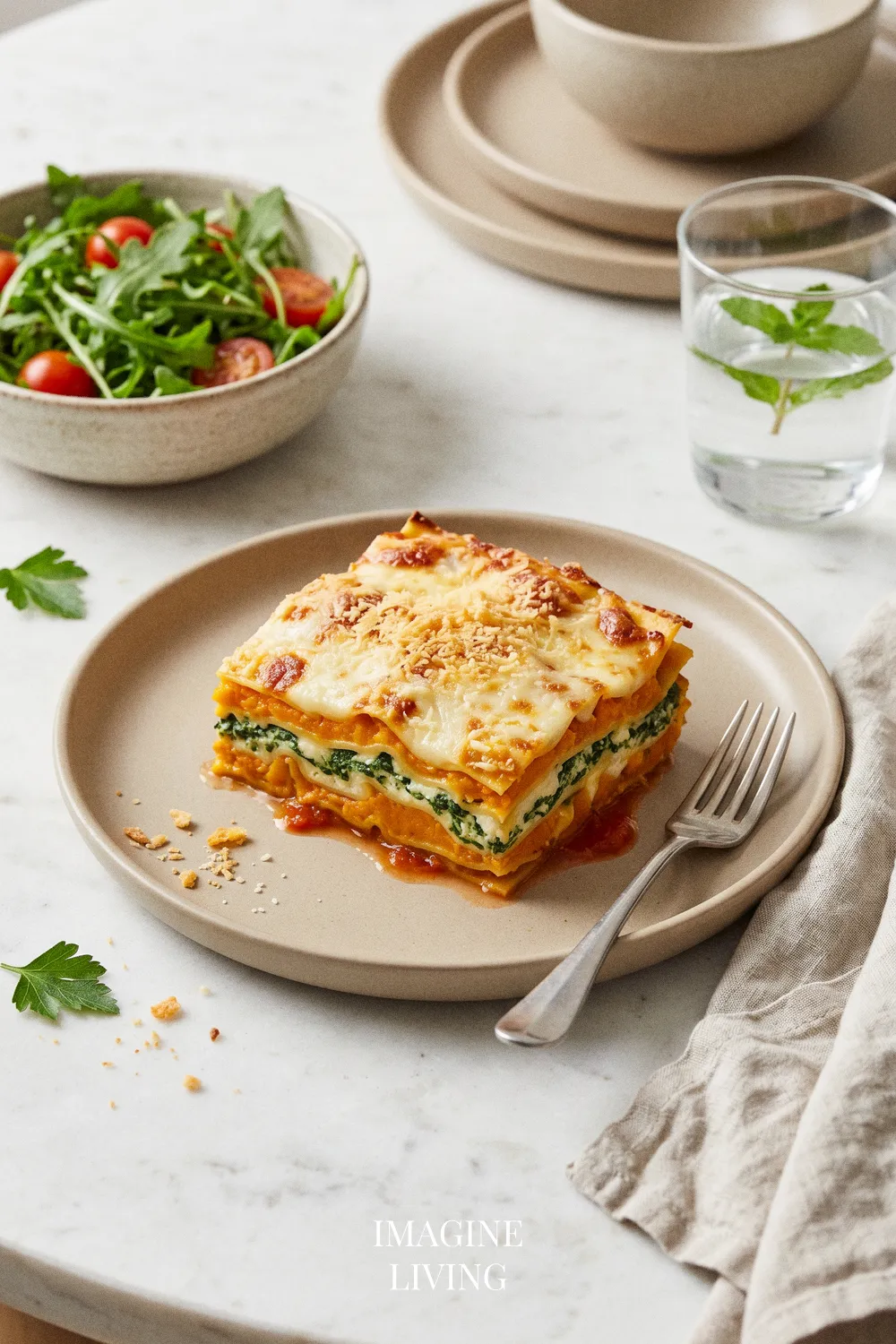
In your baking dish, spread a thin layer of marinara sauce on the bottom. Then, place three lasagna noodles over the sauce. Spoon half of the ricotta mixture over the noodles, followed by half of the roasted butternut squash and a third of the shredded mozzarella. Repeat the layers, ending with a final layer of noodles and remaining marinara sauce. Top with the rest of the mozzarella and sprinkle with Parmesan cheese. It’s always a little satisfying when the final layer sits neatly in place—like closing a book.
Bake and Serve
Cover the dish with aluminum foil and bake for 25 minutes. Remove the foil and bake for an additional 15 minutes, allowing the cheese to melt and bubble. Once golden, let it rest for 10 minutes before slicing.
Tip: This resting time helps the layers set, making it easier to serve.

Pro Tips for Butternut Squash Lasagna
A few small choices can make the process smoother and the flavors deeper.
- Add a layer of sautéed spinach or kale for extra greens.
- Use no-boil lasagna noodles to save time—just adjust the liquid in your sauce.
- Experiment with different herbs based on your taste preference; thyme or oregano work beautifully.
- For added warmth, sprinkle some crushed red pepper flakes over the top before serving.
- Make sure to cool the butternut squash before mixing; hot squash can alter the ricotta mixture’s texture.
One of those tiny steps that saves frustration later.
Dietary Variations & Substitutions
Gluten-Free Version
- Swap regular lasagna noodles for gluten-free lasagna noodles (1:1).
- Ensure the marinara sauce is gluten-free; some sauces may contain gluten.
- Bake as directed; just check for doneness as gluten-free noodles may require adjustments.
Tip: Let the gluten-free lasagna rest longer after baking to help it set properly.
Dairy-Free Version
- Replace ricotta cheese with a dairy-free alternative such as almond or cashew-based cheese (1:1).
- Use dairy-free mozzarella for the cheesy layers (1:1).
- Check the marinara sauce for hidden dairy ingredients.
Tip: Adding a pinch of nutritional yeast can enhance the cheese-like flavor in dairy-free versions.
Vegan Version
- Use 1 tablespoon ground flaxseed mixed with 3 tablespoons water per egg for the ricotta mixture as a binder.
- Replace all cheeses with vegan alternatives (1:1).
- Ensure the marinara sauce is vegan; some brands may contain added sugars from animal sources.
Tip: Blend in some silken tofu for creaminess in the ricotta alternative.
Nut-Free Version
- Ensure that all cheese substitutes are nut-free (like soy-based options).
- Use seed-based alternatives (e.g., sunflower seed cheese) if avoiding dairy.
- Check marinara sauce for nut traces or cross-contamination.
Tip: Toasted pumpkin seeds can add a nice crunch if you want a protein boost.
Low-Sugar Version
- Select a no-sugar-added marinara sauce to reduce sugar content.
- Skip any added sugars in cheese alternatives or sauces.
- If using a commercial sauce, check labels to find those without added sugars.
Tip: Enhance flavors with spices instead of sugar, like garlic powder or Italian herbs.
High-Protein Version
- Incorporate layers of cooked lentils or chickpeas for added protein.
- Use high-protein cheese alternatives, such as those made from edamame.
- Consider adding an additional egg or using a super protein-rich ricotta alternative.
Tip: A sprinkle of hemp seeds can boost protein levels without altering the flavor.
Creative Variations: Butternut Squash Lasagna Twist
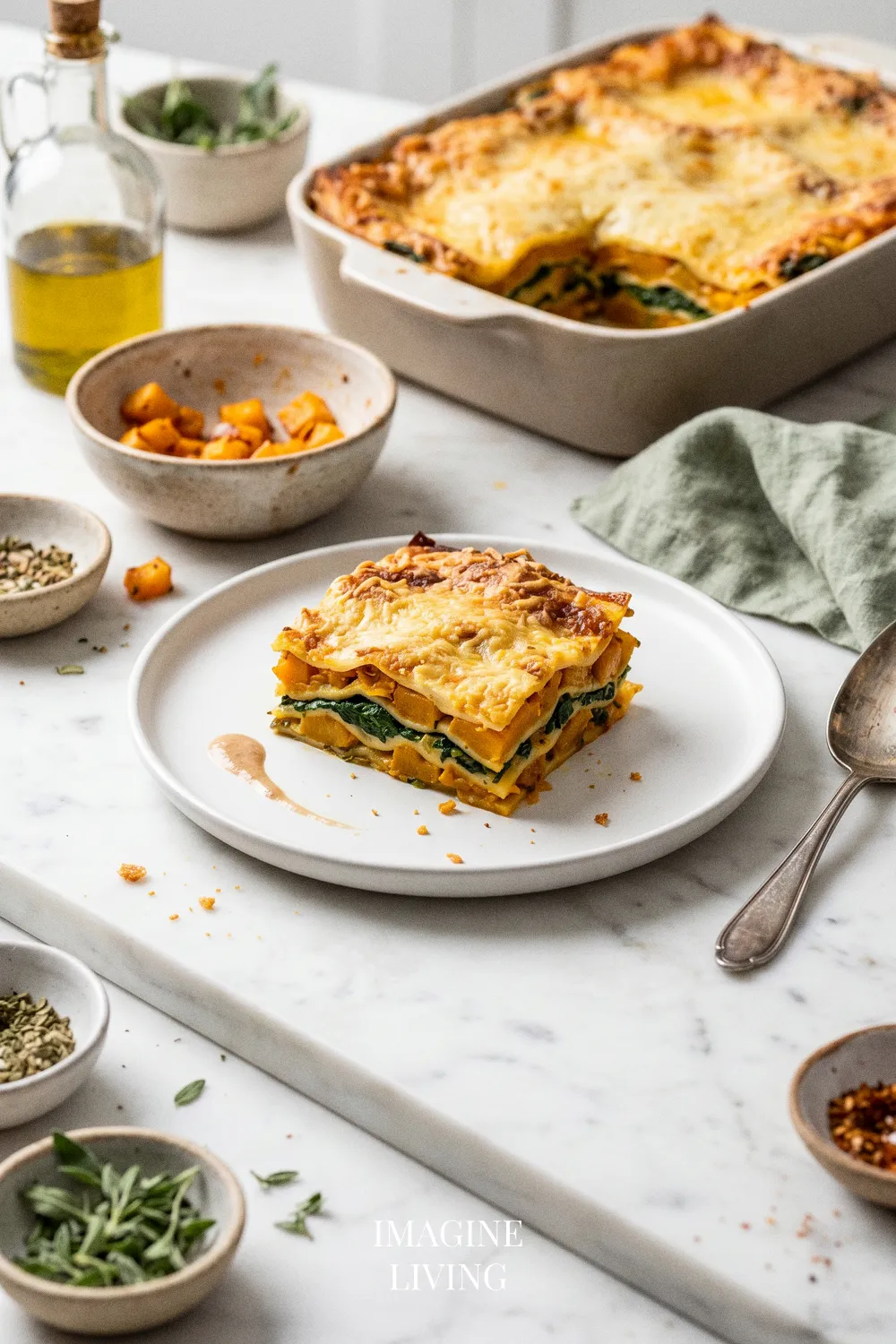
Add Spinach
Incorporate fresh spinach into the layers for a vibrant touch.
Tip: Sauté spinach lightly before adding to remove excess moisture.
Swap Cheeses
Try using goat cheese for a tangier flavor profile.
Tip: Goat cheese complements the sweetness of the squash nicely.
Use Ground Meat
For a heartier dish, add layers of ground turkey or beef.
Tip: Season the meat well to balance the flavors.
Incorporate Nuts
Add toasted walnuts or pine nuts for a crunchy texture contrast.
Tip: Coarsely chop the nuts to avoid overwhelming each bite.
Different Sauces
Switch marinara for an Alfredo sauce for a creamier option.
Tip: A béchamel sauce can add a lovely richness, especially when combined with ricotta.
Serving Suggestions
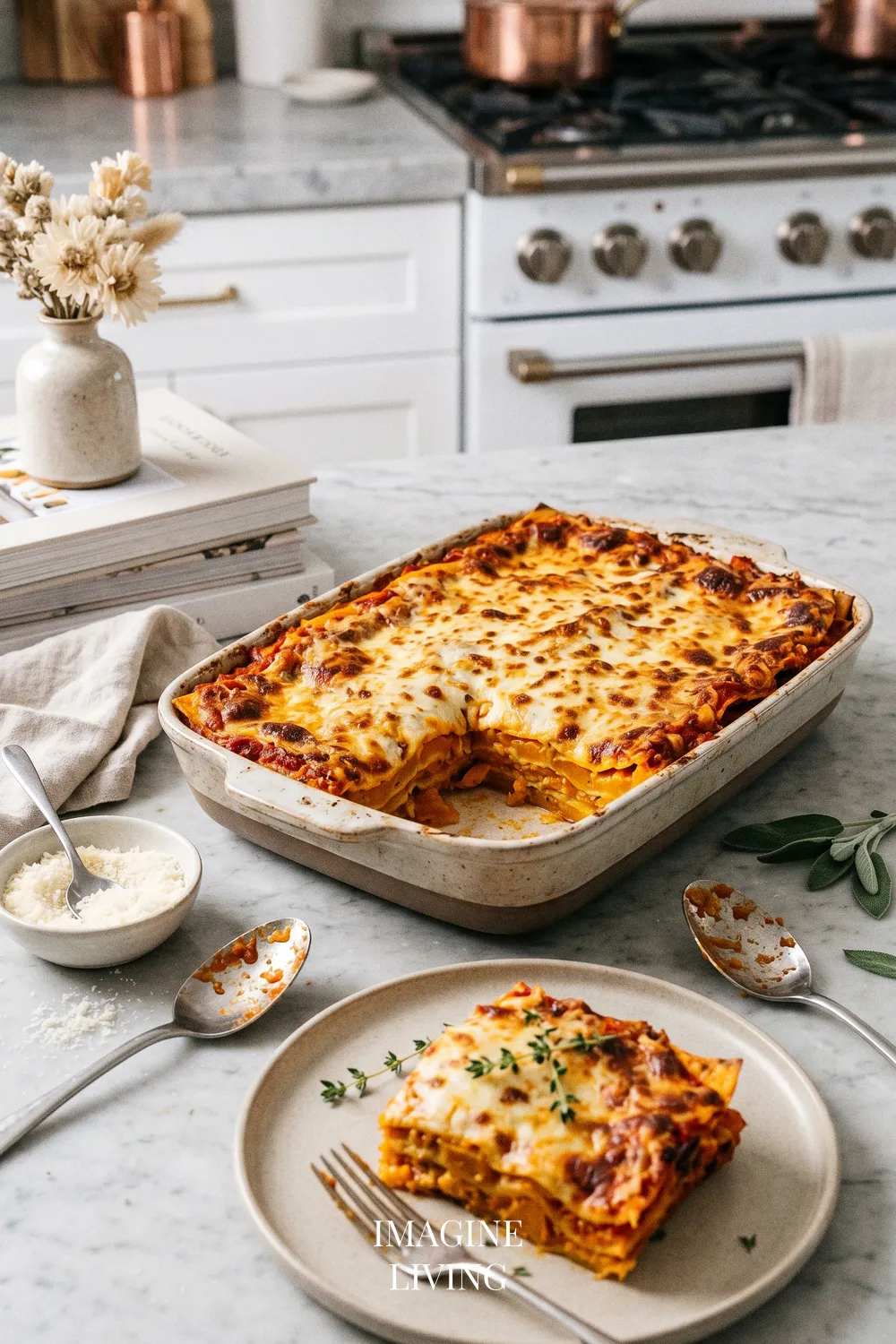
Pair your butternut squash lasagna with a simple green salad dressed in lemon vinaigrette. Crusty bread or garlic knots also make excellent accompaniments, perfect for scooping up that leftover sauce.
Storage and Reheating
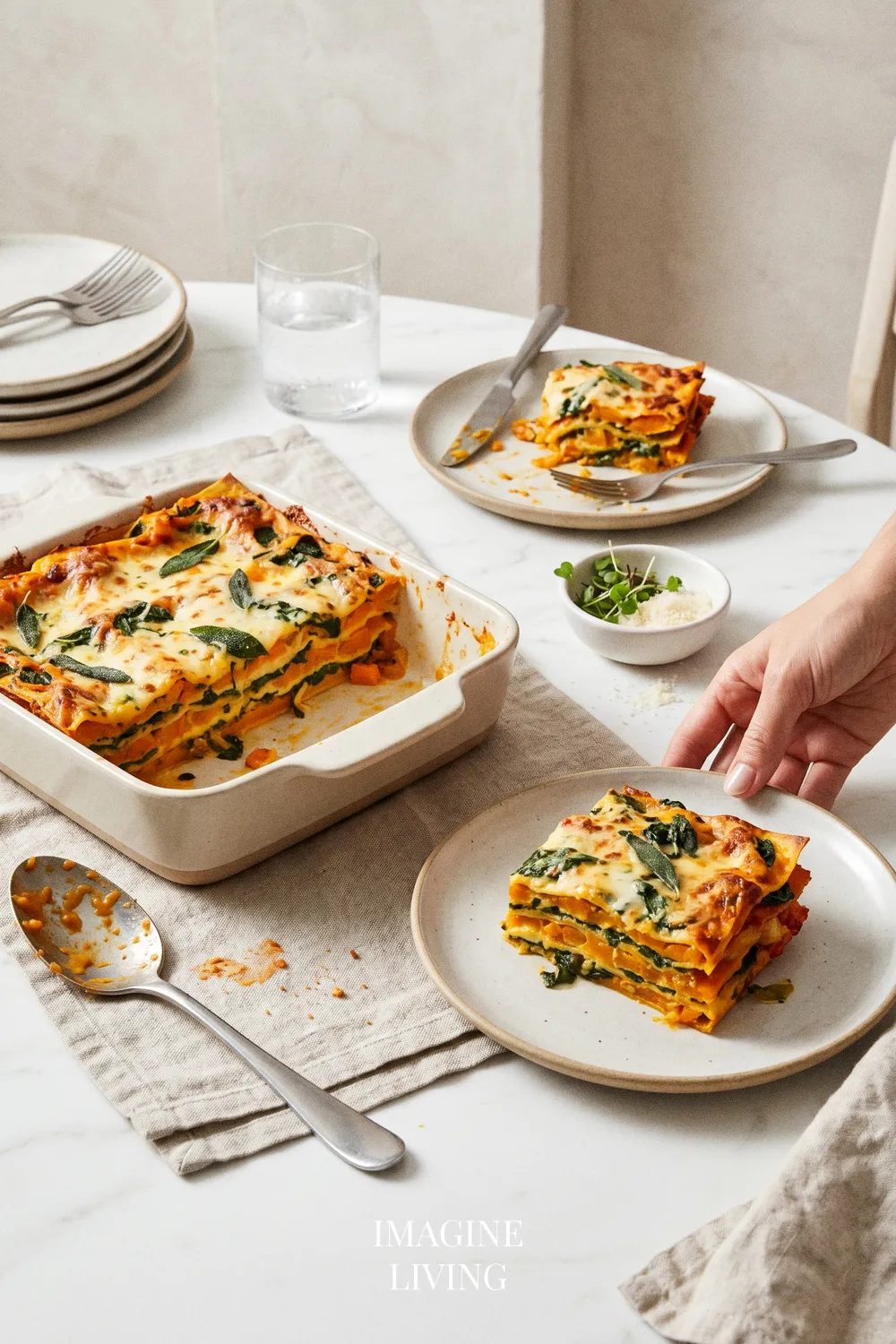
Store any leftovers in an airtight container in the refrigerator for up to 4 days. To reheat, cover with foil and warm in a 350°F (175°C) oven until heated through, about 20–25 minutes.
Common Mistakes to Avoid
A few things can get in the way, but they’re all easy to fix once you know what to watch for.
Overcooking the Noodles
Make sure not to overcook the noodles if using regular lasagna—they should be al dente.
Tip: They will cook further when baked in the lasagna.
Skipping the Cooling Time
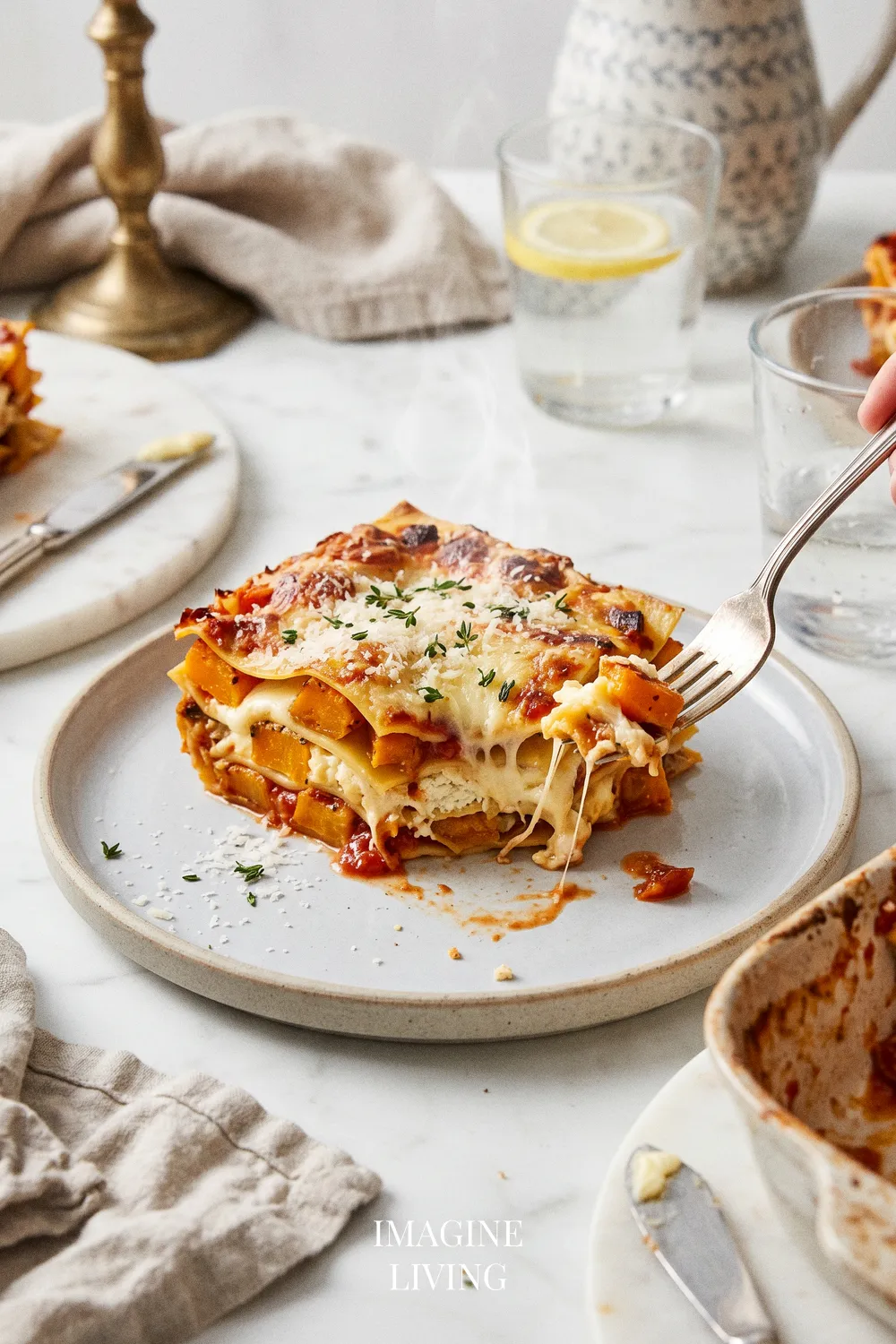
Letting the dish cool before cutting is essential for clean slices. It’s a short pause that pays off.
Not Seasoning Enough
Salt and herb seasoning are crucial to layer flavors. Don’t skip this step!
Using Wet Vegetables
Adding uncooked, watery vegetables can make the lasagna soggy.
Underestimating Cheese Volume
Don’t skimp on the cheese; it’s key to that gooey texture.
FAQs
Can I make butternut squash lasagna ahead of time?
Absolutely! You can assemble the lasagna a day in advance and store it in the refrigerator before baking.
What can I substitute for ricotta cheese?
Cream cheese or cottage cheese can be good substitutes if you prefer.
Is this recipe gluten-free?
To make it gluten-free, use gluten-free lasagna noodles and ensure the sauces are gluten-free as well.
How can I make this lasagna spicier?
Incorporate some red pepper flakes into the marinara sauce or mix jalapeños into the ricotta layer.
Can I freeze the lasagna?
Yes, butternut squash lasagna freezes well. Cover it tightly and store for up to 3 months.
A Comforting Meal for Any Occasion
This lasagna settles into the table with a kind of quiet confidence—rich, balanced, and steady. Once it’s cut and served, everything else around the meal seems to slow just enough to enjoy it.

Butternut Squash Lasagna
Equipment
- 9×13-inch baking dish
- Large pot
- Baking sheet
- Mixing bowls
- Whisk
- Aluminum foil
Ingredients
For the Lasagna
- 9 lasagna noodles
- 2 cups butternut squash, peeled and cubed about 1 small squash
- 1 tablespoon olive oil
- Salt and pepper to taste
- 2 cups ricotta cheese
- 1 egg
- 1 teaspoon dried basil
- 2 cups shredded mozzarella cheese
- 1 cup grated Parmesan cheese
- 1 jar marinara sauce 24 oz, or homemade, if desired
Instructions
Prepare the Squash
- Preheat your oven to 400°F (200°C). Toss the cubed butternut squash with olive oil, salt, and pepper. Spread it onto a baking sheet and roast for about 25 minutes, or until tender and slightly caramelized.
- Tip: Roasting the squash enhances its natural sweetness and adds depth to the flavor.
Cook the Noodles
- While the squash is roasting, cook the lasagna noodles in a pot of salted boiling water according to package instructions. Drain and set aside.
Make the Ricotta Mixture
- In a mixing bowl, combine ricotta cheese, egg, and dried basil. Stir until smooth and well-blended.
Layer the Ingredients
- In your baking dish, spread a thin layer of marinara sauce on the bottom. Then, place three lasagna noodles over the sauce. Spoon half of the ricotta mixture over the noodles, followed by half of the roasted butternut squash and a third of the shredded mozzarella. Repeat the layers, ending with a final layer of noodles and remaining marinara sauce. Top with the rest of the mozzarella and sprinkle with Parmesan cheese.
Bake and Serve
- Cover the dish with aluminum foil and bake for 25 minutes. Remove the foil and bake for an additional 15 minutes, allowing the cheese to melt and bubble. Once golden, let it rest for 10 minutes before slicing.
- Tip: This resting time helps the layers set, making it easier to serve.