Pizza Napoletana Prosciutto e Rucola Delight
The first whiff of warm dough always feels grounding, especially with that light, floury aroma drifting up. As you put this together, there’s a small pleasure in how simple everything stays — just dough, mozzarella, prosciutto, and rucola doing their thing. And if anything feels uncertain, don’t worry; this style of pizza is wonderfully forgiving. Even the little uneven spots bake up with charm — a small perk of Neapolitan pizza that always makes me smile.
Why You’ll Love This Recipe
The beauty here is how easily the dough comes together and how fresh the toppings taste once the pizza hits the plate. It’s one of those meals that feels effortless in the best way — quick to prep, easy to adapt, and just right whether you’re cooking for two or a table full of hungry friends.
- Fast prep time; the dough needs minimal ingredients.
- Fun to customize with your favorite fresh toppings.
- Perfect for an intimate dinner or a lively gathering with friends.
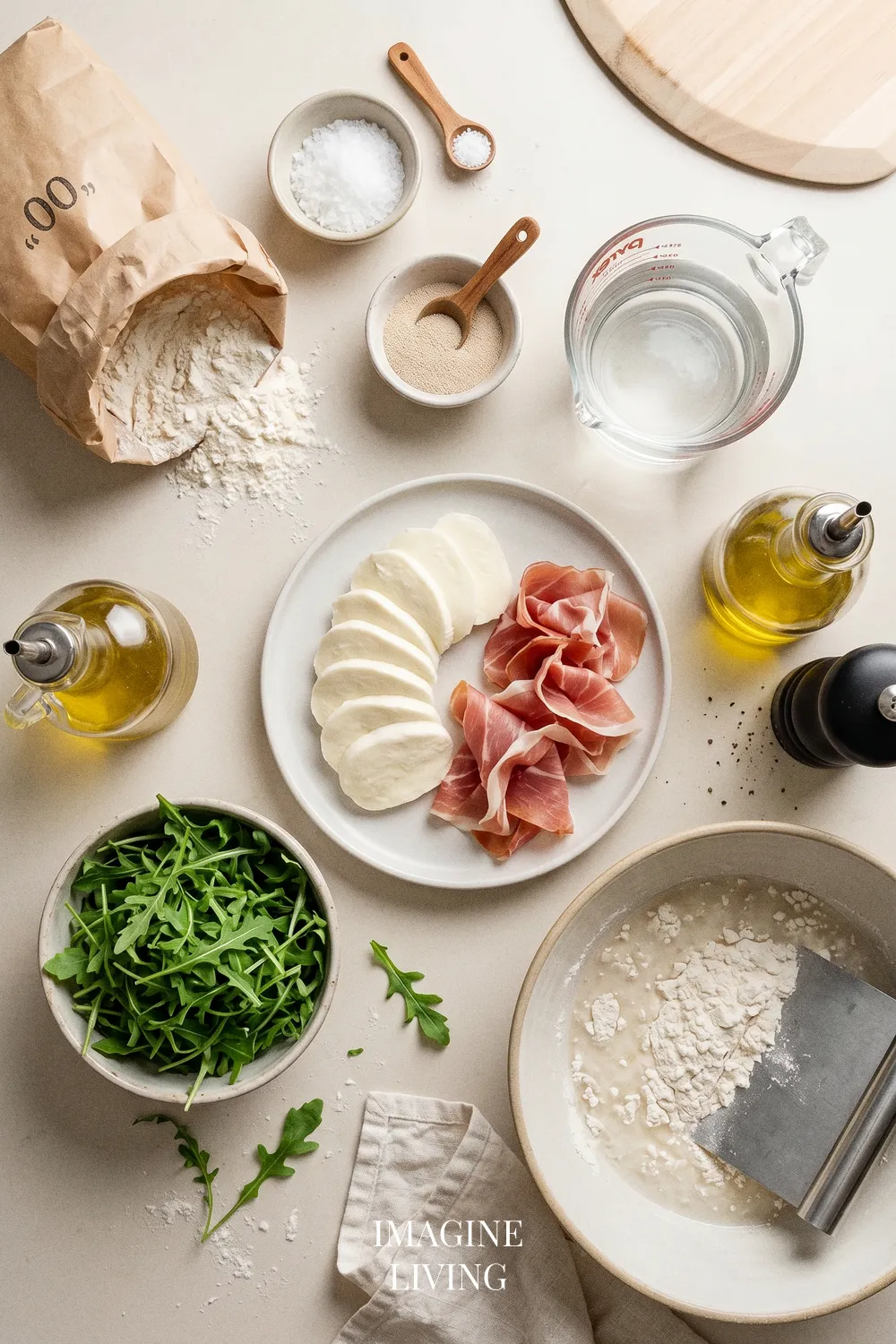
Ingredients: Homemade Pizza Napoletana Prosciutto e Rucola (Serves 2)
For the Dough
- 2 cups (250g) all-purpose flour
- 1 teaspoon (5g) sea salt
- 1/2 cup (125ml) lukewarm water
- 1/4 teaspoon (1g) active dry yeast
For the Toppings
- 1 cup (100g) fresh mozzarella, sliced
- 2-3 ounces (50-75g) prosciutto, thinly sliced
- 1 cup (25g) fresh arugula
- 2 tablespoons (30ml) extra virgin olive oil
- Freshly cracked black pepper to taste
Options: Consider adding gluten-free flour for a gluten-free version or dairy-free cheese for a dairy-free option.
Equipment Needed
- Mixing bowl
- Baking stone or pizza stone
- Rolling pin (optional)
- Pizza peel or baking sheet
- Oven
Step-By-Step Guide: Making Pizza Napoletana Prosciutto e Rucola
This part mostly comes down to timing and heat — both easier to handle than they sound.
Prepare the Dough
In a mixing bowl, combine the flour and salt. Dissolve the yeast in lukewarm water, then slowly add the mixture to the flour. Stir until it forms a shaggy dough. A few dry spots at first are normal — they disappear quickly as it comes together.
Knead and Rise
Turn the dough onto a lightly floured surface and knead for 7-10 minutes until smooth. Place the dough in a lightly oiled bowl, cover it with a damp cloth, and let it rise for about 1 hour or until doubled in size. There’s always that quiet moment when you check the bowl and see it’s puffed up just right — always satisfying.
Tip: A warm environment helps the dough rise beautifully.
Shape the Pizza
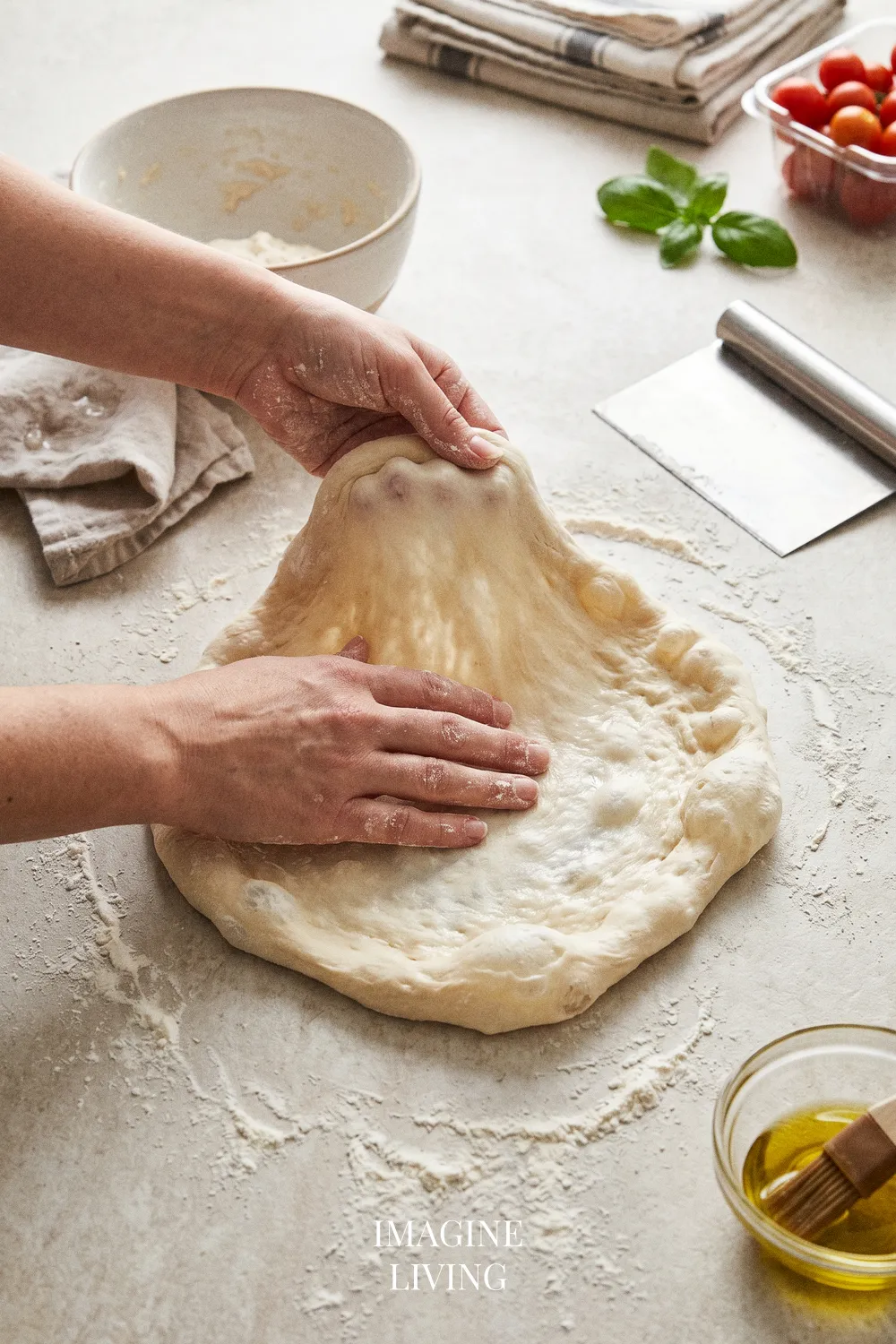
Once risen, preheat your oven (ideally with a baking stone) to its highest setting, about 475°F (245°C). Punch down the dough and divide it into two pieces. On a floured surface, stretch each piece into a 10-inch pizza base, keeping the edges slightly thicker for a puffy crust. If the dough pulls back a little, letting it rest for a minute works wonders.
Option note: If using gluten-free flour, follow package instructions for optimal texture.
Add the Toppings
Place the stretched dough onto a pizza peel or baking sheet. Arrange slices of mozzarella evenly across the base. That slight coolness from the cheese against the warm dough always feels like a good sign.
Bake the Pizza
Carefully transfer the pizza onto the preheated stone in the oven. Bake for 8-10 minutes, or until the crust is golden brown and bubbling.
Finish with Prosciutto and Arugula
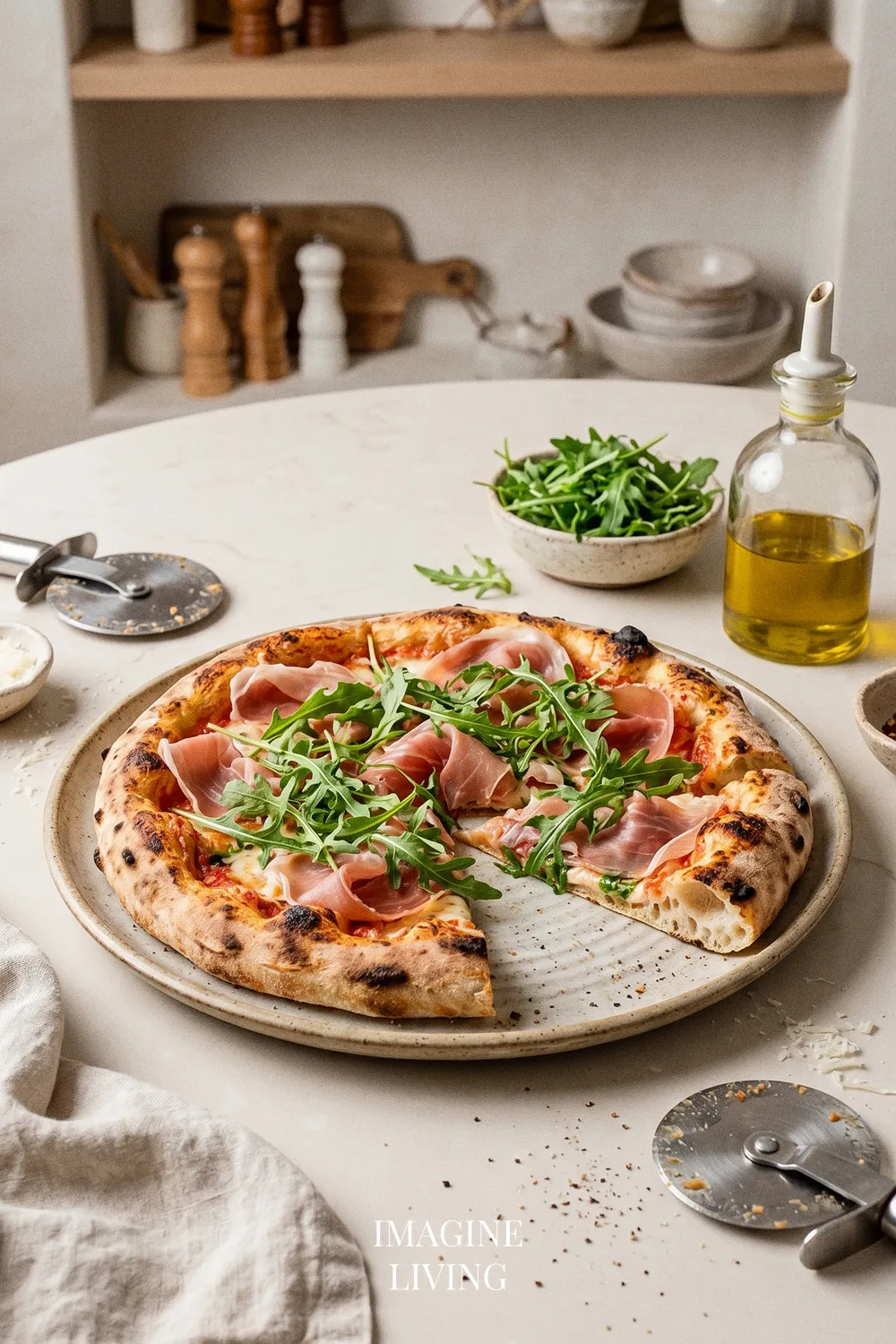
Remove the pizza from the oven, and while hot, layer the prosciutto across the top. Add a handful of fresh arugula, a drizzle of olive oil, and a sprinkle of cracked black pepper. The heat slightly softens the prosciutto — just enough to make it silky.
Pro Tips for Pizza Napoletana Prosciutto e Rucola
Here are a few gentle nudges that tend to make everything fall into place.
- Invest in high-quality ingredients for the best flavor.
- Monitor the baking closely to avoid burning; ovens vary.
- If using a conventional oven, consider a cast-iron skillet as an alternative for a crispy crust.
A small switch, but it often surprises people.

Dietary Variations & Substitutions
Gluten-Free Version
- Substitute all-purpose flour 1:1 with a gluten-free all-purpose flour blend that contains xanthan gum.
- Follow package instructions for the dough rising time, as some mixes may behave differently.
- Ensure to preheat the stone for at least 30 minutes for optimal crust quality.
Tip: Allow the gluten-free dough to rest for 20-30 minutes after mixing for improved texture.
Dairy-Free Version
- Replace fresh mozzarella with a dairy-free cheese alternative; use the same weight (1 cup).
- Drizzle with olive oil instead of using butter after baking for added richness.
- Keep an eye on the bake time, as dairy-free cheese can sometimes brown faster.
Tip: Adding 1 teaspoon of lemon juice to the olive oil enhances flavor in dairy-free versions.
Vegan Version
- Use dairy-free cheese as mentioned above for a dairy-free option, ensuring it melts well.
- Replace the prosciutto with marinated artichokes or olives for a savory note.
- Rest the dough as needed; a vegan dough may take slightly longer to rise.
Tip: Incorporate a teaspoon of apple cider vinegar with the water to help improve the dough’s texture.
Egg-Free Version
- This recipe is naturally egg-free as it doesn’t include eggs; simply follow the original steps without any modifications for vegan or vegetarian options.
- If you desire a fluffier crust, consider using a tablespoon of unsweetened apple sauce in the dough for extra moisture.
Tip: Be careful not to over-knead the dough for a light and airy crust.
Low-Sugar Version
- This recipe is already low in sugars; simply ensure that any cheese or toppings chosen do not contain added sugars.
- Focus on using fresh, whole toppings to enhance sweetness naturally.
Tip: Add chopped herbs for an aromatic boost without any sugar.
Nut-Free Version
- This recipe is already nut-free; just ensure any substitutes (like cheese) don’t contain nuts.
- Double-check all ingredient labels for any hidden nut derivatives, especially in processed items.
Tip: Always choose fresh, whole ingredients to avoid potential cross-contamination from allergens.
Creative Variations: Delicious Pizza Napoletana Ideas
Margherita Style
Add simple tomato sauce and fresh basil to the base before the mozzarella.
Tip: Use San Marzano tomatoes for authentic flavor.
Spicy Arrabbiata
Incorporate red pepper flakes or spicy salami for a kick.
Tip: A drizzle of chili oil brings an extra dimension.
Veggie Delight
Top with roasted vegetables like zucchini and bell peppers.
Tip: Make sure to roast veggies beforehand to avoid excess moisture.
Fig and Prosciutto
Combine fresh figs with prosciutto for a sweet-savory twist.
Tip: Lightly drizzle with balsamic reduction for depth.
Caprese Twist
Layer in fresh tomatoes and basil for a refreshing summer pizza.
Tip: Mozzarella di bufala will elevate this variation.
Serving Suggestions
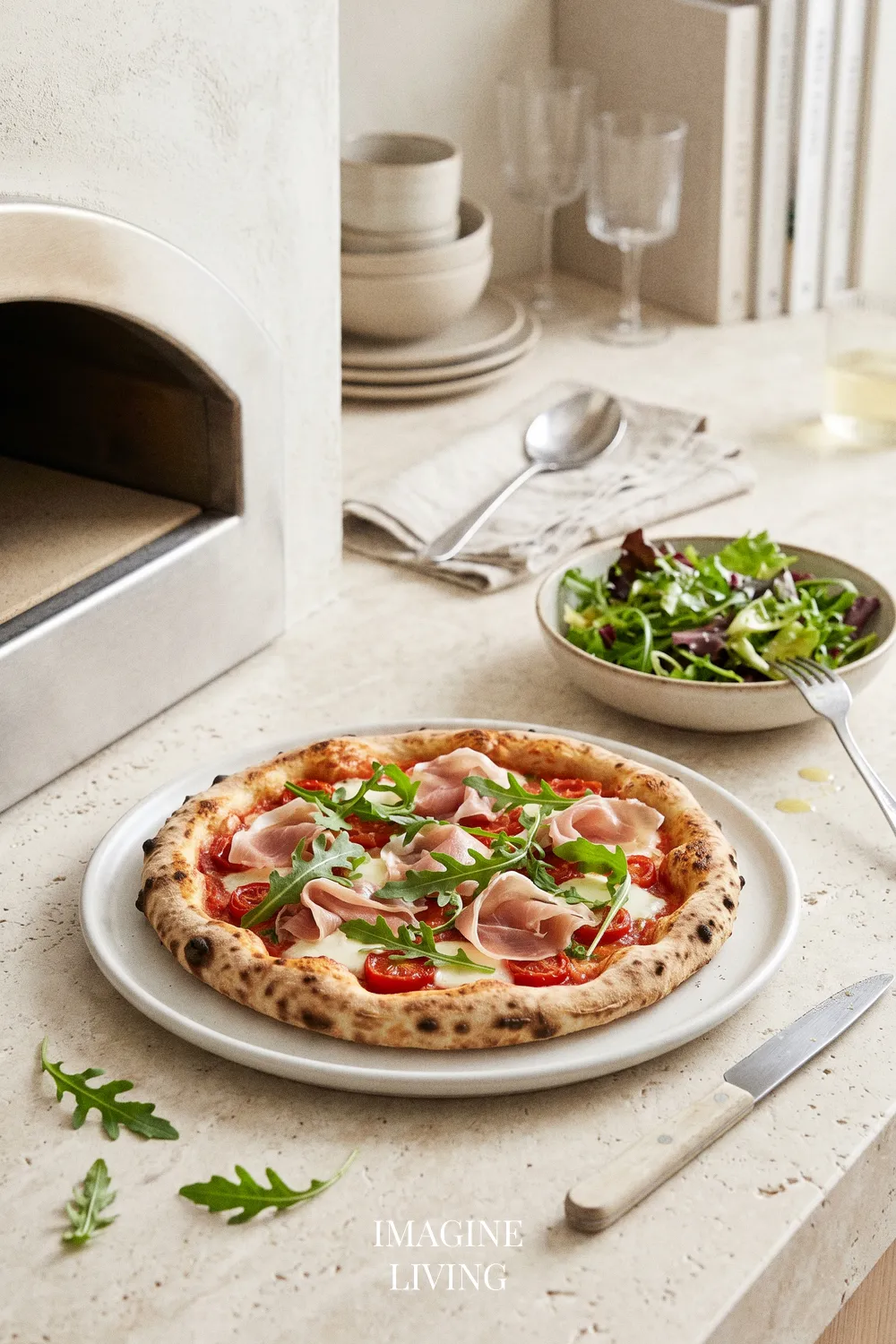
Serve with a side salad of mixed greens dressed lightly with lemon and olive oil for a refreshing complement. A glass of red wine enhances the overall dining experience, grounding the meal in simple, good flavors.

Storage and Reheating
Pizza is best enjoyed fresh, but if you have leftovers, store in an airtight container in the refrigerator for up to 2 days. To reheat, place in a preheated oven at 350°F (175°C) until warmed through and the crust regains its crispness.
Common Mistakes to Avoid
A few things tend to trip people up, but every one of them is easy to fix.
Overworking the Dough
Avoid over-kneading, which can make the crust tough. A dough that still feels a touch soft is usually right.
Tip: Just knead until smooth; a little stickiness is okay.
Skimping on the Toppings
Too few toppings can lead to a dry pizza. A balanced layer keeps everything lively.
Tip: Balance your toppings for flavor and moisture.
Not Preheating the Oven
Failure to preheat can result in a soggy crust. The hotter the start, the better the bake.
Tip: Get the oven as hot as possible before baking.
Using Too Much Sauce
Over-saucing can weigh down your pizza. Even a thin layer goes a long way.
Tip: Less is more; just enough to cover the base without pooling.
Ignoring Freshness
Using stale ingredients dulls the flavor profile. Fresh toppings always show their worth.
Tip: Always opt for the freshest produce and meats.
FAQs
What is Pizza Napoletana?
Pizza Napoletana is a traditional Italian pizza known for its soft and chewy crust, made from simple, high-quality ingredients.
Can I make the dough in advance?
Yes, you can prepare the dough a day ahead; just keep it in the fridge and let it rise at room temperature before shaping.
Is it necessary to use a pizza stone?
While it’s not mandatory, a pizza stone helps achieve a crispy, well-cooked crust by retaining heat.
Can I use gluten-free flour?
Yes, you can substitute with gluten-free flour, but the texture may vary.
What type of mozzarella is best?
Fresh mozzarella or buffalo mozzarella provides the best flavor and texture.
A Slice of Italian Tradition
Once the pizza is out of the oven and the last drizzle of olive oil settles in, the whole thing comes together with an easy kind of satisfaction. It’s simple, fresh, and balanced — the kind of meal that feels good to make and even better to sit down with.

Pizza Napoletana Prosciutto e Rucola
Equipment
- Mixing bowl
- Baking stone or pizza stone
- Rolling Pin Optional
- Pizza peel or baking sheet
- Oven
Ingredients
For the Dough
- 2 cups all-purpose flour
- 1 teaspoon sea salt
- 1/2 cup lukewarm water
- 1/4 teaspoon active dry yeast
For the Toppings
- 1 cup fresh mozzarella sliced
- 2-3 ounces prosciutto thinly sliced
- 1 cup fresh arugula
- 2 tablespoons extra virgin olive oil
- to taste Freshly cracked black pepper
Instructions
Prepare the Dough
- In a mixing bowl, combine the flour and salt. Dissolve the yeast in lukewarm water, then slowly add the mixture to the flour. Stir until it forms a shaggy dough.
Knead and Rise
- Turn the dough onto a lightly floured surface and knead for 7-10 minutes until smooth. Place the dough in a lightly oiled bowl, cover it with a damp cloth, and let it rise for about 1 hour or until doubled in size.
- Tip: A warm environment helps the dough rise beautifully.
Shape the Pizza
- Once risen, preheat your oven (ideally with a baking stone) to its highest setting, about 475°F (245°C). Punch down the dough and divide it into two pieces. On a floured surface, stretch each piece into a 10-inch pizza base, keeping the edges slightly thicker for a puffy crust.
Add the Toppings
- Place the stretched dough onto a pizza peel or baking sheet. Arrange slices of mozzarella evenly across the base.
Bake the Pizza
- Carefully transfer the pizza onto the preheated stone in the oven. Bake for 8-10 minutes, or until the crust is golden brown and bubbling.
Finish with Prosciutto and Arugula
- Remove the pizza from the oven, and while hot, layer the prosciutto across the top. Add a handful of fresh arugula, a drizzle of olive oil, and a sprinkle of cracked black pepper.
Notes
- Invest in high-quality ingredients for the best flavor.
- Monitor the baking closely to avoid burning; ovens vary.
- If using a conventional oven, consider a cast-iron skillet as an alternative for a crispy crust.